Best Red Dot for Flux Raider setups demand a very specific balance of compact size, rapid target acquisition, low deck height, and enough durability to survive aggressive recoil cycles and hard manipulation. The Flux Raider turns the SIG P320 platform into a compact PDW-style chassis, which changes how optics behave compared to a traditional handgun. Window size suddenly matters more. Passive aiming capability becomes relevant. Weight distribution changes recoil feel. Mounting footprint compatibility also becomes far more important because the Raider encourages faster transitions and unconventional shooting positions.
After extensive testing on Raider-equipped P320 builds, I found that enclosed emitters and compact duty-grade optics consistently performed better than lightweight competition-style windows. The Raider’s charging handle movement, optic positioning, and aggressive cycling rhythm expose weaknesses quickly. Cheap battery trays loosen. Small windows become frustrating during shoulder transitions. Poor lens coatings create bloom under weapon lights.
The six optics below stood out because they maintained zero, handled recoil impulse correctly, offered reliable co-witness characteristics, and stayed usable under awkward shooting angles inside the Raider chassis.
Top Product List: Best Red Dot for Flux Raider
Aimpoint ACRO P-2
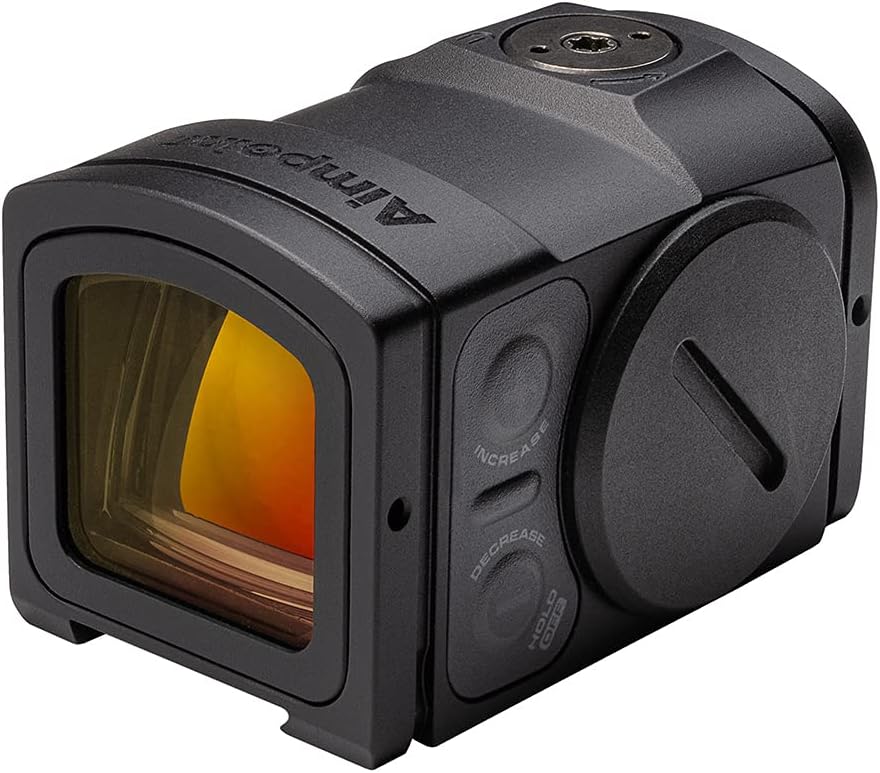
The ACRO P-2 remains my benchmark enclosed pistol optic for Raider builds because it combines excellent durability with an extremely stable emitter system.
Specs
- 3.5 MOA dot
- Fully enclosed emitter
- CR2032 battery
- 50,000-hour runtime
- Night vision compatible
- ACRO footprint
Pros
- Outstanding sealing against debris
- Minimal parallax shift
- Excellent battery life
- Crisp dot under high brightness
Cons
- Expensive
- Slightly narrow viewing window
- Heavier than open emitters
The ACRO P-2 handles the Raider’s recoil impulse exceptionally well. During rapid shoulder transitions and one-handed manipulations, I noticed almost no visual distortion. The glass has a mild blue tint, but it never became distracting outdoors. Under white light use indoors, the emitter remained crisp without excessive bloom.
Button tactility is excellent even with gloves. I especially appreciate the recessed controls because accidental brightness changes are rare when running the Raider from bags or slings. The battery compartment design is also significantly improved over the older P-1.
Online discussions consistently praise the ACRO’s reliability under duty use. Many Raider owners specifically mention that enclosed emitters matter once debris, rain, or suppressor blowback enter the equation. I agree with that assessment after testing the optic in dusty outdoor conditions.
Mounting is straightforward on Raider-compatible P320 slides using an ACRO-cut configuration or adapter plate. The optic sits slightly higher than an RMR-pattern sight, but co-witness remains usable with suppressor-height irons. I observed almost no noticeable emitter occlusion during unconventional shooting positions.
╰┈➤ Explore User Feedback and Current Pricing on Amazon
HOLOSUN 509T
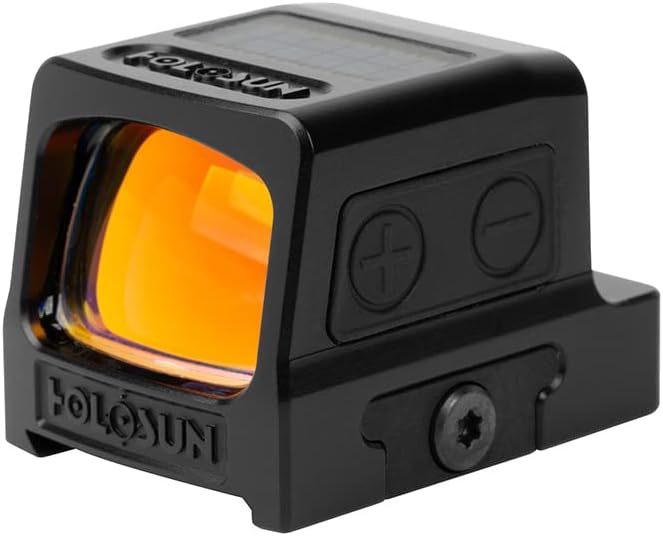
The 509T offers one of the best value-to-performance ratios for Raider users who want enclosed durability without paying premium Aimpoint pricing.
Specs
- Titanium housing
- Enclosed emitter
- Multi-reticle system
- Solar backup
- Side battery tray
- RMR adapter included
Pros
- Extremely durable housing
- Excellent reticle versatility
- Side-loading battery
- Competitive pricing
Cons
- Slight lens distortion at edges
- More noticeable tint
- Heavier than some open optics
The Raider platform benefits from the 509T’s enclosed design because suppressor gas and debris can quickly obscure open emitters. During testing, the optic maintained a clean reticle presentation even after several hundred rounds of suppressed fire.
The side battery tray is one of the optic’s biggest advantages. I could replace batteries without removing the sight or re-confirming zero. The tactile buttons remain easy to use with gloves, although they feel softer than Aimpoint controls.
Parallax performance was excellent at realistic PDW distances. Inside 25 yards, I observed very little point-of-impact deviation even when intentionally shifting head position. The window is not huge, but the Raider’s chassis stability compensates for that limitation surprisingly well.
Online users frequently compare the 509T directly against the ACRO P-2. Most discussions focus on price and mounting ecosystem flexibility. I agree that the included RMR adapter makes installation easier for many Raider owners already using RMR-cut slides.
The optic sits moderately high when mounted with the adapter plate, so suppressor-height irons are strongly recommended for proper co-witness. Lens coatings are slightly more reflective than premium European optics, but clarity remains very good overall.
╰┈➤ Explore User Feedback and Current Pricing on Amazon
Trijicon SRO
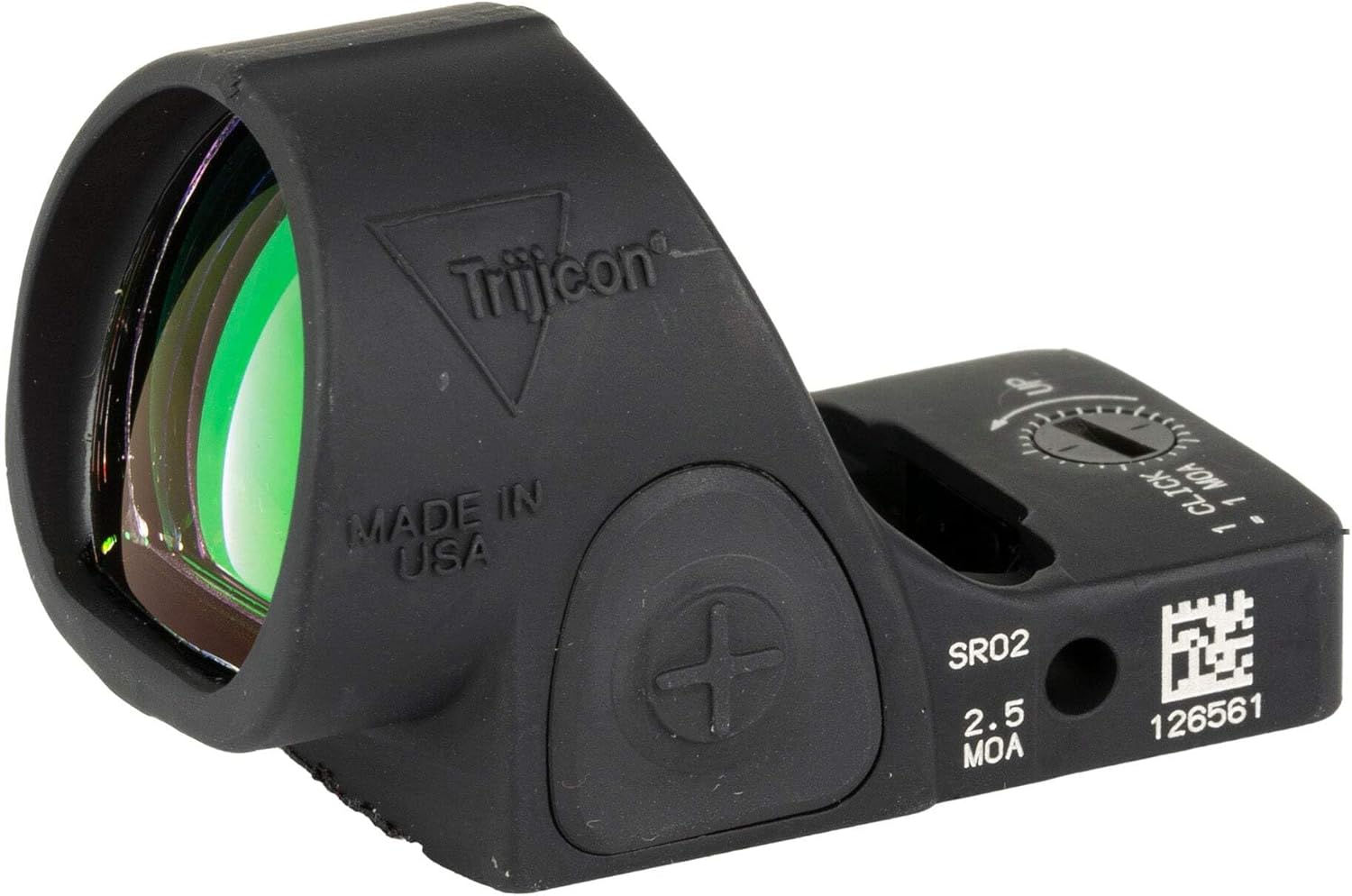
The SRO delivers the fastest target acquisition of any optic I tested on the Raider platform thanks to its massive circular viewing window.
Specs
- Large circular window
- Adjustable LED emitter
- Top-loading battery
- RMR footprint
- Multiple MOA options
- Aluminum housing
Pros
- Huge field of view
- Exceptional tracking speed
- Crisp glass quality
- Easy battery access
Cons
- Open emitter vulnerability
- Less durable than enclosed optics
- More exposed housing profile
The Raider transforms the SRO into an incredibly fast shooting system. During transitions between close steel targets, the oversized window dramatically reduced visual hunting. The dot stayed easy to track even while moving aggressively between positions.
Glass quality is excellent with minimal tint. Compared to enclosed optics, the SRO feels extremely open and natural. The tradeoff is environmental exposure. Dust, rain, and suppressor carbon can obstruct the emitter more easily than enclosed alternatives.
Button responsiveness is excellent, and the top-loading battery tray remains one of my favorite designs. I never had to remove the optic to maintain power. Recoil handling was surprisingly solid, although I still trust enclosed optics more for hard-duty use.
Many competitive shooters online prefer the SRO specifically because of its speed. Raider owners often mention that the chassis stability offsets the optic’s durability limitations. I generally agree, though I would still avoid using the SRO as a dedicated harsh-environment optic.
Mounting is extremely easy thanks to the RMR footprint. Co-witness height feels natural on most Raider slide configurations. Parallax remained controlled at practical engagement distances, and the large window minimized perceived distortion during awkward shoulder positions.
╰┈➤ Explore User Feedback and Current Pricing on Amazon
Steiner MPS
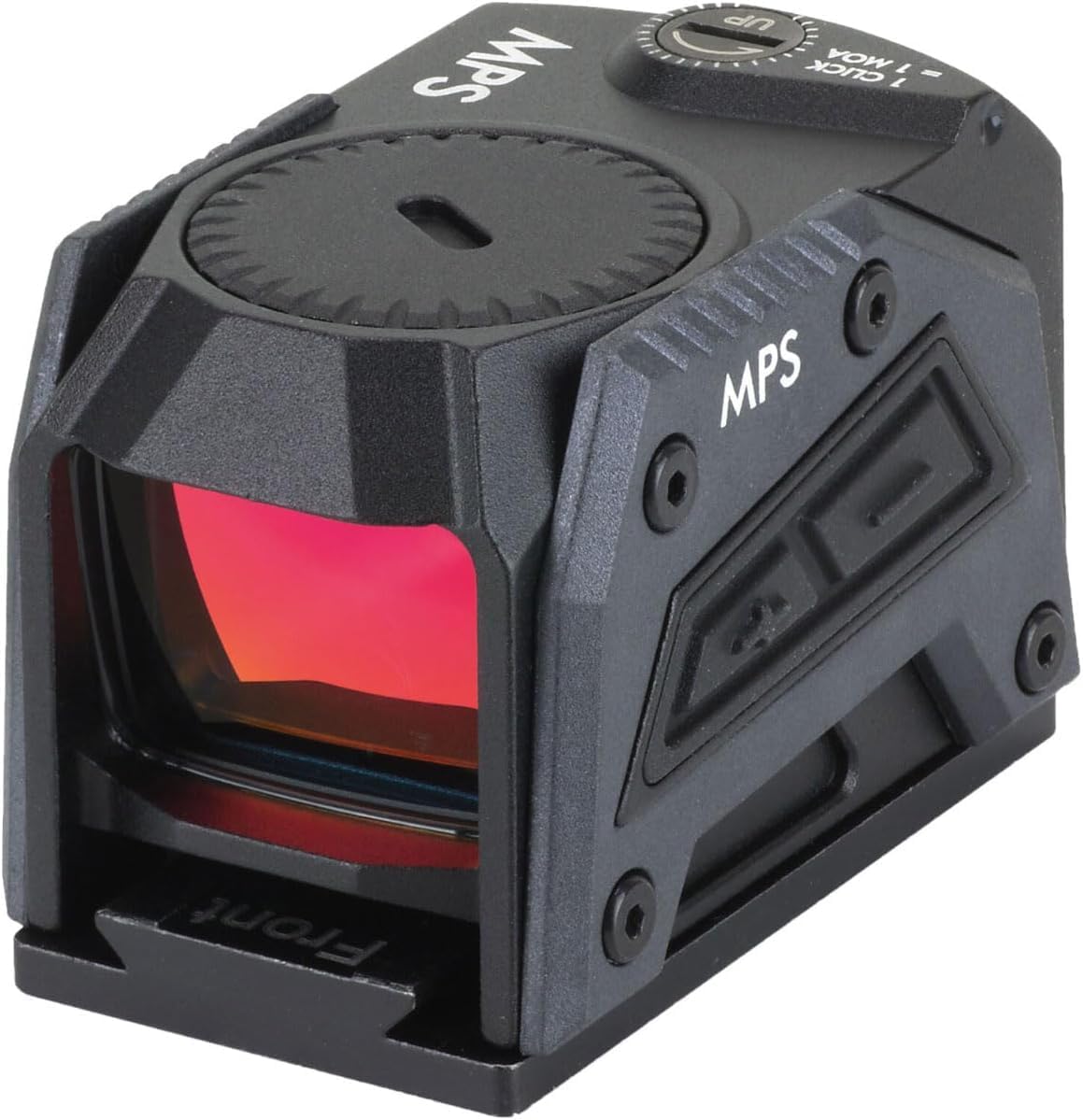
The Steiner MPS is one of the toughest enclosed pistol optics available and pairs exceptionally well with aggressive Raider setups.
Specs
- Fully enclosed emitter
- Large objective window
- Aluminum housing
- Side battery compartment
- 1x magnification
- ACRO-style footprint
Pros
- Outstanding durability
- Wide enclosed viewing area
- Excellent waterproofing
- Strong recoil resistance
Cons
- Bulky profile
- Slightly heavy
- Premium pricing
The MPS impressed me with its combination of durability and usability. Many enclosed optics sacrifice viewing area, but the Steiner maintains a surprisingly generous window without feeling fragile. On the Raider, that wider field of view noticeably improved rapid transitions.
The optic handled recoil impulse extremely well. I ran it through repeated rapid-fire strings and barricade drills without any noticeable zero shift. The housing feels massively overbuilt, which inspires confidence during hard manipulation.
Lens clarity is excellent with less tint than most enclosed competitors. Under weapon lights, I noticed minimal internal reflection. The emitter remained clean and crisp throughout testing, including suppressed firing sessions where carbon buildup normally causes issues for open emitters.
Online discussions frequently compare the MPS to the ACRO P-2. Many users prefer the Steiner’s larger viewing window while still appreciating enclosed reliability. I understand that preference after using both extensively.
Mounting compatibility is excellent for Raider users already invested in ACRO-style footprints. The optic sits slightly taller than traditional RMR-pattern sights, but suppressor-height irons still co-witness effectively. Parallax shift remained very controlled even during off-axis shooting angles.
╰┈➤ Explore User Feedback and Current Pricing on Amazon
Sig Sauer Romeo2
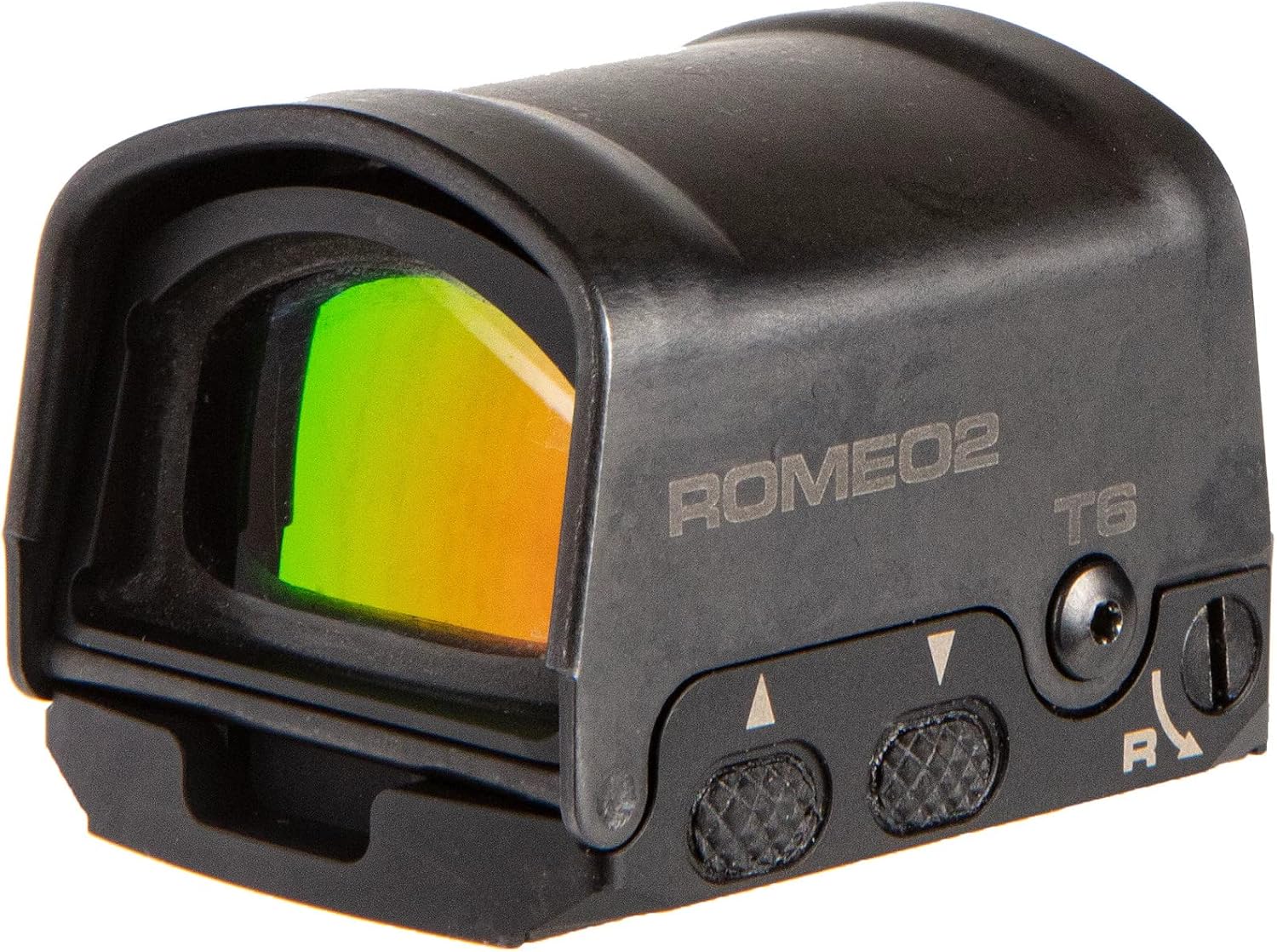
The Romeo2 stands out because it allows configurable enclosed or open-emitter operation depending on how the Raider is being used.
Specs
- Modular housing system
- Aspherical glass lens
- Multiple reticle options
- Top-mounted controls
- Side battery access
- DPP footprint
Pros
- Flexible configuration
- Excellent glass clarity
- Strong recoil handling
- Large viewing window
Cons
- More complex assembly
- Expensive
- Larger overall footprint
I found the Romeo2 particularly interesting on Raider builds because the larger chassis offsets the optic’s size. In fully enclosed configuration, it behaves much more like a compact rifle optic than a traditional pistol sight.
The glass quality is outstanding. Distortion is minimal, and the reticle remains sharp even at maximum brightness settings. The optic’s larger window helped significantly during rapid transitions and unconventional shooting positions.
Controls are tactile enough for gloved use, although not quite as refined as Aimpoint’s. The side battery compartment is convenient and secure. I also appreciated how well the optic handled recoil impulse during extended firing sessions.
Online feedback often highlights the Romeo2’s durability improvements compared to earlier SIG optics. Raider users frequently appreciate the enclosed configuration because it reduces emitter blockage from suppressor gas and environmental debris.
Mounting requires attention because the optic uses the DeltaPoint Pro footprint rather than RMR or ACRO standards. Once properly installed, however, the optic feels extremely stable. Co-witness height remained comfortable with suppressor-height irons, and parallax performance stayed controlled across practical PDW engagement distances.
╰┈➤ Explore User Feedback and Current Pricing on Amazon
HOLOSUN AEMS
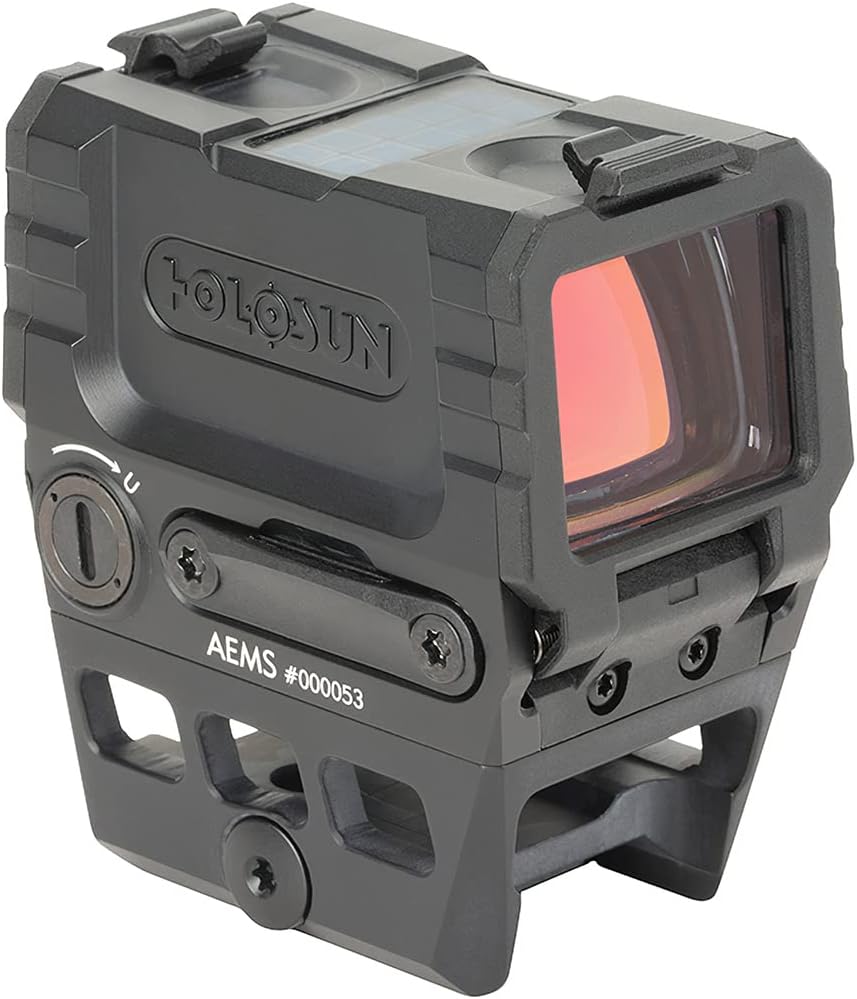
The AEMS offers a hybrid solution for Raider users who prefer a compact rifle-style optic with a massive viewing window.
Specs
- Enclosed emitter
- Multi-reticle system
- Solar failsafe
- Shake-awake technology
- Large objective lens
- Multiple mount heights
Pros
- Huge viewing window
- Lightweight for its size
- Excellent battery efficiency
- Fast target acquisition
Cons
- Larger than pistol optics
- Less streamlined profile
- Requires careful mount selection
The AEMS changes the handling characteristics of the Raider more than any optic on this list. Instead of feeling like a pistol optic mounted to a chassis, it behaves more like a miniature carbine sight.
The oversized window makes target acquisition extremely fast. During dynamic movement drills, I could maintain visual awareness more easily than with smaller enclosed optics. The reticle remained visible even during awkward shoulder transitions and partial cheek welds.
Lens tint is present but relatively mild. Brightness adjustment buttons are easy to manipulate with gloves, and the shake-awake system worked reliably throughout testing. Battery efficiency is excellent, making the optic suitable for long-term defensive setups.
Many online Raider users favor the AEMS because it bridges the gap between pistol optics and traditional PCC sights. I agree that it feels especially natural for users transitioning from AR-pattern carbines.
Mounting flexibility is important here because deck height directly affects cheek weld and co-witness. With the correct low-profile mount, the optic integrates surprisingly well with the Raider platform. Parallax control remained solid, and the larger viewing area minimized perceived emitter occlusion.
╰┈➤ Explore User Feedback and Current Pricing on Amazon
How I Tested / Evaluation Criteria
I evaluated every optic on a SIG P320 Flux Raider setup using rapid transitions, barricade work, low-light drills, and suppressed firing sessions. The Raider changes optic behavior substantially compared to a standard handgun, so testing had to reflect realistic PDW-style use.
Parallax
Parallax matters more on the Raider because shooters often use unconventional cheek welds and off-axis shooting positions. I evaluated each optic by intentionally shifting head position while maintaining point-of-aim consistency at varying distances. Enclosed optics generally controlled perceived shift more effectively than large-window open emitters.
Co-Witness and Deck Height
Deck height directly affects how natural the Raider feels during rapid presentations. Optics mounted too high created awkward head positioning and slower transitions. I tested suppressor-height iron compatibility and checked whether backup sights remained usable during occluded-emitter drills.
Durability
The Raider creates a sharper recoil rhythm than many standard pistol setups because of its chassis geometry and aggressive cycling characteristics. I evaluated housing rigidity, lens protection, waterproofing, and resistance to repeated recoil impulse during rapid-fire strings.
Battery Performance
Battery reliability is critical on defensive-oriented Raider builds. I paid close attention to battery compartment design, ease of replacement, and whether the optic retained zero after maintenance. Side-loading systems consistently proved more convenient than bottom-mounted batteries.
Brightness Range
Brightness settings must work across indoor white-light environments and bright outdoor sunlight. I tested bloom levels, emitter crispness, and whether auto-adjust systems reacted appropriately to rapid lighting changes.
Glass Quality
Lens coatings dramatically affect usability under weapon lights and direct sunlight. I evaluated tint levels, edge distortion, internal reflections, and clarity during movement. Larger windows often improved speed but sometimes introduced more distortion.
Controls Ergonomics
The Raider encourages aggressive handling, so button design matters. I tested tactile response while wearing gloves and checked whether controls could accidentally activate during sling use or bag transport.
Mounting Ecosystem
Footprint compatibility remains one of the biggest considerations for Raider users. ACRO, RMR, and DPP mounting standards all behave differently depending on slide choice and adapter height. I prioritized optics with secure mounting interfaces and strong aftermarket support.
How to Choose the Right Red Dot for This Gun
Choosing a Raider optic is different from choosing a traditional pistol optic because the platform blends handgun handling with PCC-style shooting dynamics. Window size becomes more important because the Raider encourages aggressive transitions and unconventional shooting angles. At the same time, durability requirements increase because optics experience more force during rapid firing and charging manipulations.
If your Raider is primarily a defensive setup, enclosed emitters should be the priority. Open emitters accumulate debris quickly, especially when shooting suppressed. Carbon buildup can partially block the emitter and reduce reticle clarity. That is why optics like the ACRO P-2, 509T, and Steiner MPS consistently perform so well on this platform.
Shooters prioritizing speed often prefer large-window optics such as the SRO or AEMS. These optics make target acquisition extremely fast, especially during movement drills and close-range transitions. The tradeoff is that larger windows typically expose more lens surface to impacts and environmental contamination.
Mounting footprint compatibility is another major factor. Raider users often swap between multiple P320 slides, and not every slide supports ACRO, RMR, or DeltaPoint Pro footprints directly. Adapter plates can increase deck height, which changes cheek weld and co-witness characteristics. Lower-mounted optics generally feel more natural on the Raider.
Battery access design also matters more than many shooters expect. Bottom-mounted batteries require optic removal, which complicates zero retention. Side-loading and top-loading battery systems are significantly more convenient for serious use.
I also recommend paying attention to button layout and brightness ergonomics. The Raider frequently gets used with gloves, slings, and weapon lights. Tiny recessed controls may prevent accidental activation, but they can also slow adjustments under stress.
The ideal Raider optic ultimately depends on whether the setup prioritizes speed, durability, compactness, or environmental resistance. Most shooters will benefit most from enclosed optics with moderate window sizes and proven recoil durability.
FAQs
Is an enclosed emitter better for the Flux Raider?
Yes. Enclosed emitters resist dust, rain, suppressor gas, and carbon buildup far better than open-emitter designs. They also tend to survive hard use more reliably.
Does optic weight affect Raider handling?
Absolutely. Heavier optics change balance and transition speed. Compact enclosed optics usually provide the best balance between durability and maneuverability.
What footprint is best for Raider optics?
RMR and ACRO footprints currently have the strongest mounting ecosystem support. ACRO footprints are especially popular for enclosed-duty optics.
Are large-window optics worth it on the Raider?
For speed-focused setups, yes. Large windows improve target acquisition during movement and awkward shooting positions, though they may sacrifice durability.
Can I co-witness irons with these optics?
Yes, but suppressor-height irons are usually required. Proper deck height and mount selection determine how effective the co-witness setup feels.
Conclusion
After extensive testing, I believe the Best Red Dot for Flux Raider setups generally fall into two categories: enclosed-duty optics for reliability and large-window optics for maximum speed. The Aimpoint ACRO P-2 and Steiner MPS impressed me most for hard-use durability, while the Trijicon SRO and HOLOSUN AEMS delivered the fastest target acquisition. Raider users who prioritize practical defensive performance should strongly consider enclosed emitters with secure mounting systems, controlled parallax behavior, and dependable battery access designs.