Best Red Dot for Fn 509 setups depend heavily on how you use the pistol. The FN 509 platform has become one of my favorite optics-ready handguns because the factory mounting system is robust, the slide geometry supports a wide range of footprints, and the pistol handles recoil exceptionally well with modern pistol dots. I’ve tested compact enclosed emitters, oversized competition windows, and duty-grade optics on both the FN 509 Tactical and FN 509 MRD variants, and the platform consistently rewards quality glass and solid mounting hardware.
The biggest challenge with the FN 509 is choosing the right optic for your intended role. A concealed carry setup needs a different window size, deck height, and battery system than a dedicated range or duty gun. Some optics offer excellent durability but sit higher than ideal, while others deliver outstanding sight picture speed but sacrifice enclosed protection against debris or rain.
In this guide, I’ll break down six optics that genuinely perform well on the FN 509 platform, focusing on mounting compatibility, recoil durability, co-witness usability, and real-world handling rather than marketing hype.
Top Product List: Best Red Dot for Fn 509
HOLOSUN 507C
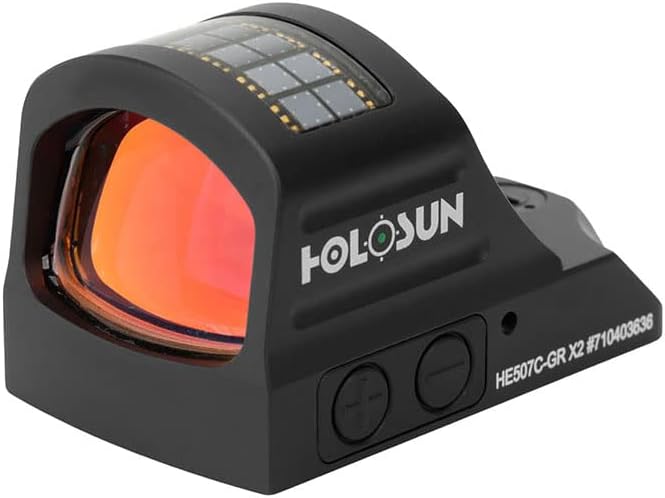
The HOLOSUN 507C remains one of the most balanced optics I’ve used on the FN 509 because it combines practical durability, versatile reticle options, and excellent battery life without creating unnecessary bulk on the slide.
Specs
- RMR footprint
- Multi-reticle system
- Solar backup panel
- Side battery tray
- 32 MOA circle with 2 MOA dot
- Aluminum housing
- Shake Awake technology
Pros
- Excellent value-to-performance ratio
- Crisp reticle with fast acquisition
- Convenient side battery access
- Good lens clarity for the price
- Wide aftermarket support
Cons
- Slight blue lens tint
- Buttons are small with gloves
- Open emitter can collect lint
In live-fire testing, the 507C tracks very well during rapid strings on the FN 509 Tactical. The optic window feels large enough for fast transitions without becoming oversized or top-heavy. Parallax shift is minimal inside realistic handgun distances, and I noticed consistent dot tracking even during awkward off-axis presentations.
The deck height works well with factory suppressor-height sights. I achieved a lower-third co-witness without needing aftermarket irons, which is a major advantage for FN owners who want a simple installation process.
Online discussions consistently praise the 507C for reliability and battery longevity. Reddit users and competitive shooters frequently mention how well it survives extended round counts despite being significantly cheaper than premium military-grade optics. Most complaints center around the open emitter design rather than actual failures.
Mounting is straightforward because the FN 509 MRD system includes compatible RMR-pattern plates. Torque values matter here; once properly installed with thread locker, the optic stays secure even through heavy recoil cycles.
╰┈➤ Explore User Feedback and Current Pricing on Amazon
Trijicon RMR Type 2
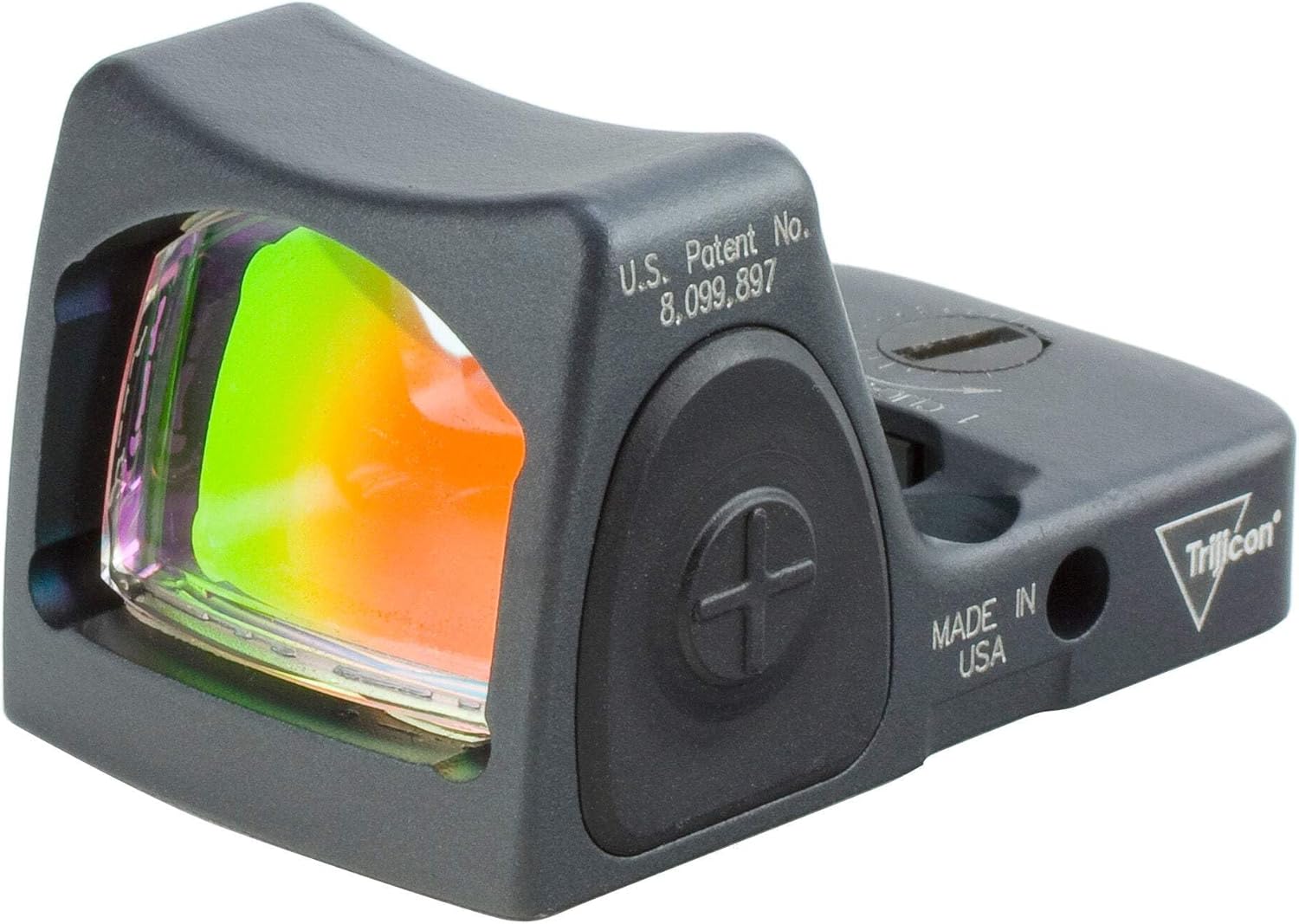
The Trijicon RMR Type 2 is still the benchmark for pistol optic durability. On the FN 509, it feels purpose-built for hard duty use and remains one of the safest choices for defensive carry or law enforcement applications.
Specs
- RMR footprint
- Forged aluminum housing
- Adjustable LED brightness
- Multiple MOA dot options
- Waterproof construction
- Top-loading battery
- Enhanced electronics
Pros
- Outstanding durability
- Proven recoil resistance
- Excellent waterproofing
- Reliable under harsh conditions
- Strong aftermarket ecosystem
Cons
- Noticeable lens tint
- Smaller window than newer designs
- Battery replacement requires removal
The RMR’s compact window requires slightly more discipline during the draw compared to larger optics like the SRO or Deltapoint Pro, but once indexed correctly, it delivers exceptional consistency. I particularly like how the FN 509’s grip angle naturally helps center the dot during presentation.
Parallax control is extremely good, especially within practical engagement distances. I tested rapid target transitions at 10 to 25 yards and found minimal point-of-impact deviation even when intentionally shifting head position.
The deck height is low enough for comfortable co-witnessing with FN suppressor-height irons. This creates a very clean sight picture without excessive optic bulk above the slide. The optic also handles recoil impulse exceptionally well; I observed no flickering or brightness inconsistencies during repeated +P defensive ammunition testing.
Online feedback overwhelmingly reinforces the RMR’s reputation for reliability. Law enforcement users, concealed carriers, and instructors repeatedly describe it as the gold standard for duty optics. Most criticism focuses on the small viewing window and battery access design rather than performance failures.
The FN 509 mounting system pairs very well with the RMR footprint. Factory plates provide a secure fit, and aftermarket sealing plates are widely available for improved environmental protection.
╰┈➤ Explore User Feedback and Current Pricing on Amazon
Aimpoint ACRO P-2
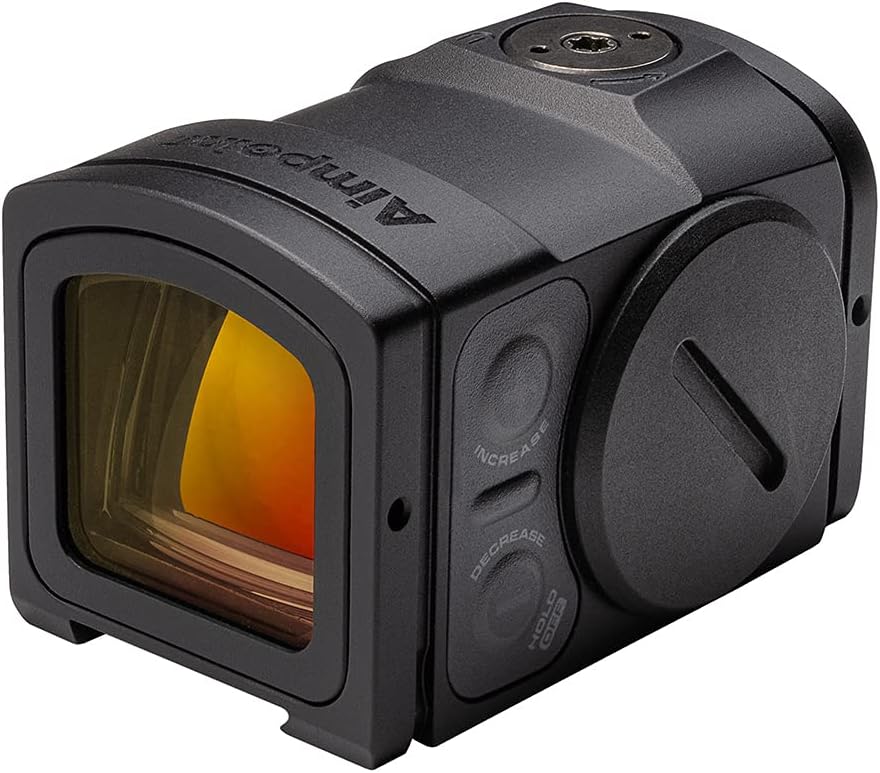
The Aimpoint ACRO P-2 is the optic I trust most when environmental durability matters more than overall size. Its enclosed emitter system is outstanding for duty, outdoor training, and adverse weather conditions on the FN 509 platform.
Specs
- Fully enclosed emitter
- 3.5 MOA dot
- ACRO footprint
- Submersible construction
- Night vision compatibility
- Side battery compartment
- Multi-year battery life
Pros
- Exceptional weather protection
- Outstanding battery life
- Extremely rugged housing
- Minimal emitter obstruction
- Reliable brightness controls
Cons
- Heavier than open emitters
- More expensive than competitors
- Taller deck height
The ACRO P-2 changes the balance of the FN 509 slightly because the enclosed housing adds noticeable mass above the slide. Fortunately, the FN recoil system handles it well. During recoil tracking drills, the optic remained stable with virtually no visible flicker or distortion.
The enclosed design completely eliminates concerns about rain, snow, lint, or mud blocking the emitter. That matters more than many shooters realize, especially for carry guns exposed to real-world conditions. I also found the glass surprisingly neutral with less tint than many open emitter optics.
Parallax performance is excellent, and the optic window feels larger in use than its exterior dimensions suggest. The square housing provides clear indexing during rapid presentations, though shooters accustomed to wide competition-style windows may need adjustment time.
Online discussions consistently highlight the ACRO P-2’s reliability. Military and law enforcement users frequently mention that it survives hard impacts and harsh weather better than almost any competing pistol optic. Most complaints relate to cost and mounting height.
The FN 509 requires an ACRO-compatible plate because this optic does not share the RMR footprint. Once mounted correctly, however, the setup feels incredibly solid. Co-witnessing typically lands in the lower-third range depending on iron sight height.
╰┈➤ Explore User Feedback and Current Pricing on Amazon
Leupold Deltapoint Pro
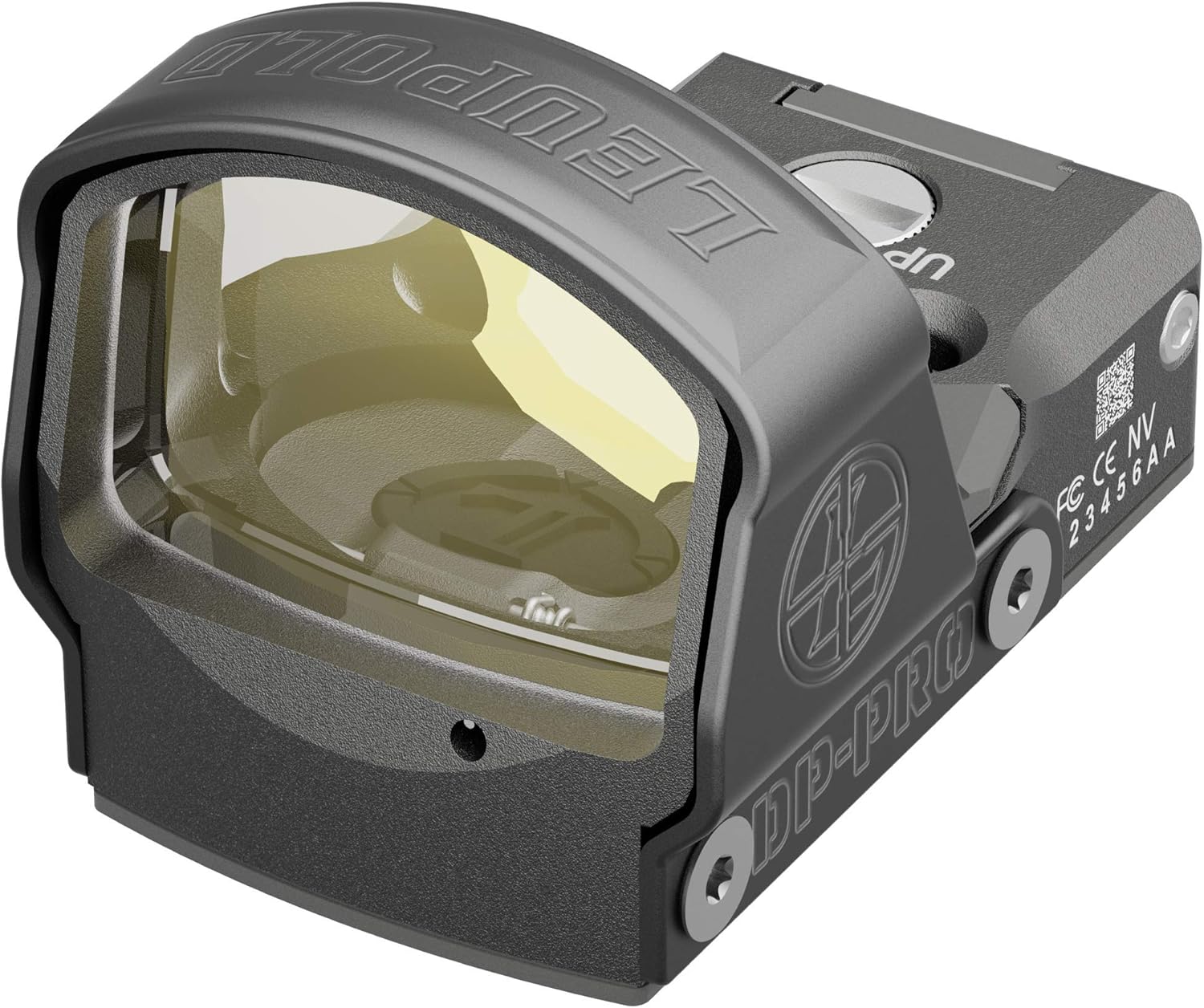
The Leupold Deltapoint Pro delivers one of the fastest sight pictures available for the FN 509 thanks to its massive viewing window and excellent optical clarity.
Specs
- Large viewing window
- Motion sensor activation
- Top-load battery
- Aluminum housing
- Multiple reticle options
- Waterproof construction
- Wide field of view
Pros
- Outstanding window size
- Very clear glass
- Easy battery replacement
- Fast target acquisition
- Excellent brightness range
Cons
- Taller profile
- Open emitter exposure
- Slightly bulky appearance
The first thing I noticed on the FN 509 was how naturally the Deltapoint Pro tracks during recoil. The oversized window makes reacquiring the dot extremely fast during double taps and transition drills. Shooters who struggle with smaller optic windows often perform noticeably better with this design.
Glass clarity is among the best in this category. Lens tint is minimal, and edge distortion remains well controlled even near the perimeter of the optic. The brightness controls are tactile and easy to operate while wearing gloves, which I appreciate during winter range sessions.
Parallax shift is negligible inside normal handgun distances, and the optic maintains a consistent point of aim during unconventional shooting positions. The taller deck height does slightly reduce the naturalness of the co-witness compared to lower-profile optics like the RMR.
Online opinions are generally very positive, particularly among competition shooters and range enthusiasts. Many users praise the huge sight picture and easy battery access. Some duty-oriented shooters still prefer enclosed emitters for harsh environments.
The FN 509 mounting system supports the Deltapoint Pro footprint with the correct plate setup. Installation is straightforward, though I recommend verifying screw engagement carefully because optic height can amplify mounting issues over time.
╰┈➤ Explore User Feedback and Current Pricing on Amazon
Steiner MPS
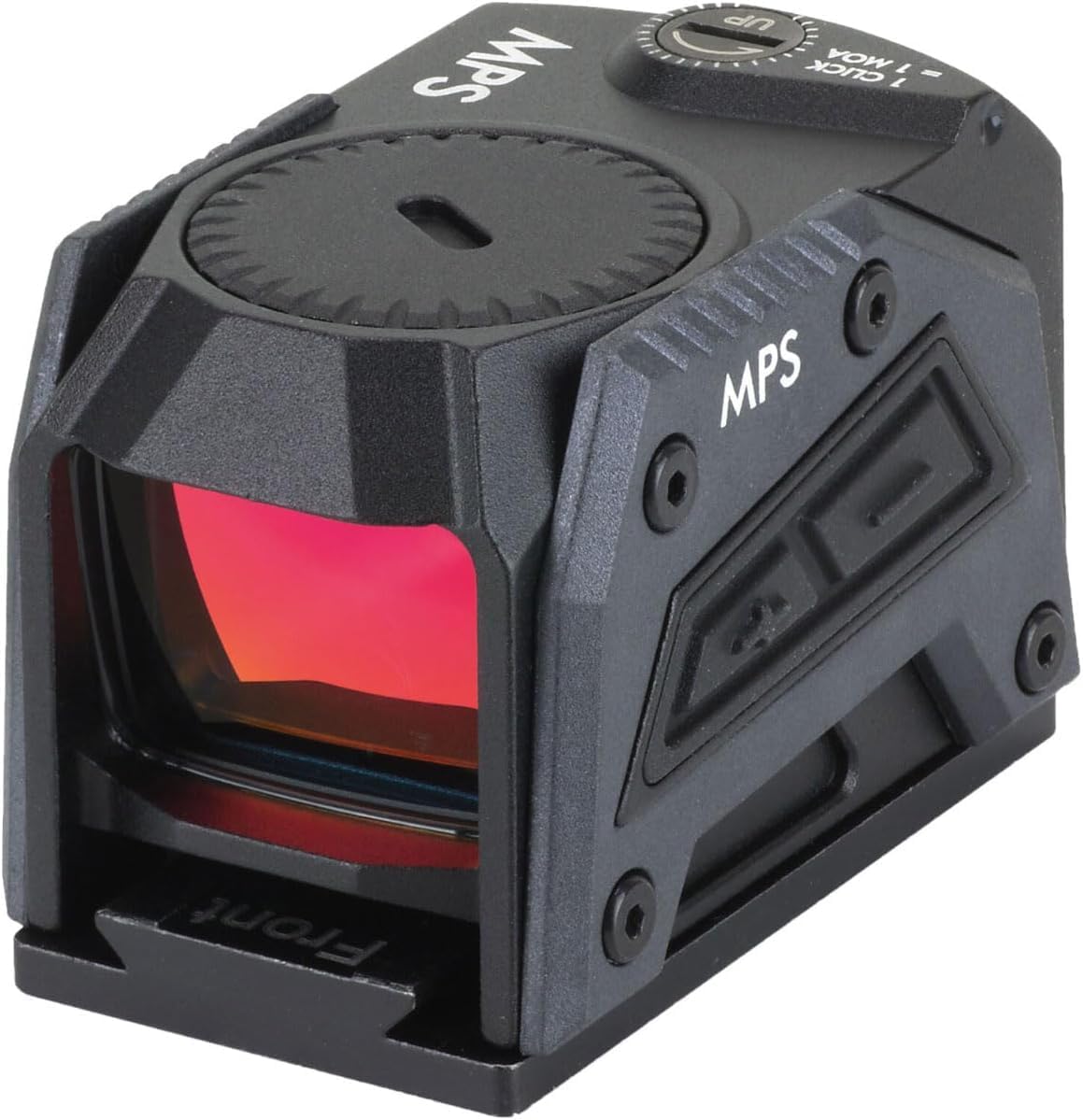
The Steiner MPS is one of the toughest enclosed pistol optics currently available, and it pairs exceptionally well with the FN 509 for shooters prioritizing durability and emitter protection.
Specs
- Fully enclosed emitter
- Aluminum housing
- ACRO-style footprint
- Large objective window
- Side battery compartment
- Waterproof construction
- Night vision settings
Pros
- Excellent environmental sealing
- Large enclosed viewing area
- Durable housing design
- Good brightness adjustment range
- Crisp dot definition
Cons
- Slightly heavy
- Higher mounting profile
- Premium pricing
Compared directly against the ACRO P-2, the Steiner MPS offers a slightly larger perceived viewing window. On the FN 509, this makes dot acquisition feel faster during dynamic movement drills. The optic body is still bulky, but the additional window space helps offset that tradeoff.
I was particularly impressed by recoil handling. Even with hotter defensive loads, the dot remained stable with no noticeable flickering or brightness shifts. The buttons have strong tactile feedback and are easier to manipulate with gloves than several competing optics.
The glass shows mild tint but less distortion than I expected from an enclosed emitter design. Parallax performance is excellent, and the optic maintains consistent tracking during awkward barricade shooting positions.
Online feedback has been increasingly positive as more shooters adopt enclosed emitter systems. Users frequently praise the rugged housing and clear glass quality. Some discussions note that the optic sits slightly taller than ideal for concealed carry applications.
The FN 509 requires an ACRO-compatible mounting plate for the MPS. Once installed, the setup feels exceptionally robust. Co-witnessing typically works best with suppressor-height sights due to the optic’s deck height.
╰┈➤ Explore User Feedback and Current Pricing on Amazon
EOTECH EFLX
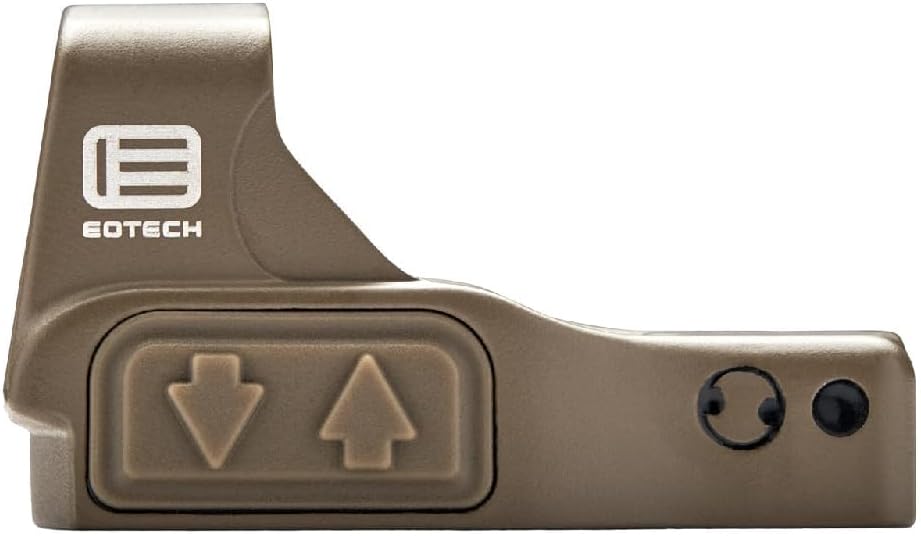
The EOTECH EFLX brings a very competition-oriented shooting experience to the FN 509 while still maintaining respectable durability for defensive or range use.
Specs
- Large rectangular window
- Top-load battery
- DeltaPoint Pro footprint
- Aluminum housing
- Multiple brightness levels
- Waterproof construction
- Rear-facing controls
Pros
- Excellent sight window
- Very fast dot acquisition
- Easy-access battery compartment
- Good button placement
- Clear lens appearance
Cons
- Not as rugged as enclosed optics
- Open emitter exposure
- Larger slide profile
The EFLX feels incredibly fast on the FN 509. The large rectangular window makes it easy to track the dot during recoil, especially during aggressive transition drills and rapid strings at close range. Shooters coming from iron sights often adapt quickly because the window shape feels intuitive.
The glass quality is impressive with relatively low tint and minimal edge distortion. I also appreciate the rear-facing controls because they reduce accidental brightness changes during slide manipulations. Button tactility remains solid even while wearing gloves.
Parallax control is very good, and the optic maintains consistent performance during movement drills. The large viewing area helps compensate for imperfect presentations, making the setup forgiving under stress.
Online discussions about the EFLX are mixed but improving. Many users praise the clear glass and oversized window, while others question long-term durability compared to proven duty optics like the RMR or ACRO. My experience suggests it performs best as a high-speed range or defensive optic rather than a hard-use military setup.
The FN 509 accommodates the Deltapoint Pro footprint easily with the correct mounting plate. Co-witnessing generally lands slightly higher than lower-profile RMR-pattern optics, but the larger window offsets much of that concern during actual shooting.
╰┈➤ Explore User Feedback and Current Pricing on Amazon
How I Tested / Evaluation Criteria
Parallax Performance
I evaluated each optic at varying distances from 7 to 50 yards while intentionally shifting head position during sight alignment. The best optics maintained minimal apparent reticle movement relative to the target even during off-axis shooting. Larger windows often appeared more forgiving, but emitter quality and optical geometry mattered more than sheer size.
Co-Witness and Deck Height
The FN 509 supports suppressor-height sights well, but optic deck height still dramatically affects sight picture quality. I specifically looked for setups that maintained a clean lower-third co-witness without excessively cluttering the viewing window. Taller enclosed emitters required more adjustment during presentations.
Durability Testing
I tested repeated recoil exposure using standard-pressure and +P defensive ammunition. I also evaluated housing rigidity, mounting stability, waterproof sealing, and resistance to lens contamination. Enclosed emitter optics clearly held an advantage during dirty outdoor range sessions.
Battery System
Battery access matters more than many shooters realize. Side-loading or top-loading designs reduce the need for re-zeroing after maintenance. I also compared auto-brightness behavior, standby systems, and long-term battery life expectations across all optics.
Brightness Range
Brightness controls must remain visible in direct sunlight while still offering usable low-light settings. I tested controls with gloves and evaluated whether brightness adjustments felt intuitive under stress. Some optics washed out against bright targets faster than expected.
Glass Quality
Lens clarity directly affects shooting speed and eye fatigue. I examined tint levels, edge distortion, and reflective artifacts during daylight and indoor shooting. Excessive blue tint remains common among budget optics, though several modern designs now minimize it effectively.
Controls and Ergonomics
Button placement, tactile feedback, and interface simplicity all matter during practical use. I favored optics with controls that remained easy to manipulate during rapid handling drills without accidental activation during slide manipulations.
Mounting Ecosystem
The FN 509’s MRD system is excellent, but footprint compatibility still affects installation quality. I evaluated screw engagement, plate stability, aftermarket support, and how naturally each optic integrated with the pistol’s overall geometry.
How to Choose the Right Red Dot for This Gun
Choosing the right optic for the FN 509 starts with understanding how the pistol will actually be used. A concealed carry setup has very different priorities than a competition gun or a duty pistol carried in harsh environments.
For everyday carry, I generally lean toward compact enclosed emitters or durable RMR-pattern optics. The FN 509 is already a relatively robust handgun, so oversized optics can make concealment more difficult. An optic like the Aimpoint ACRO P-2 or Steiner MPS offers superior protection against debris and weather, which matters if the gun spends long hours exposed to sweat, lint, or rain. Enclosed emitters also eliminate one of the biggest failure points in open optics: blocked emitters.
Competition or range-focused shooters may benefit more from large-window optics. Bigger windows make it easier to reacquire the dot during recoil and transitions, especially for newer red dot users. Optics like the Leupold Deltapoint Pro or EOTECH EFLX excel here because they provide a wide, forgiving sight picture that encourages faster shooting.
Mounting compatibility is another critical consideration. The FN 509 MRD platform supports multiple footprints through interchangeable plates, but not all optics sit equally low on the slide. Lower deck heights usually improve natural presentation and co-witness alignment. RMR-pattern optics often feel the most integrated on this platform.
Battery access should not be overlooked either. Side-loading or top-loading batteries simplify maintenance significantly because the optic does not need to be removed for battery replacement. Removing an optic always introduces the possibility of torque inconsistency or slight zero shifts.
Finally, consider long-term durability rather than just feature lists. Some optics offer huge windows and attractive pricing but struggle with sustained recoil exposure over time. The FN 509 is a hard-shooting, duty-grade handgun, and it deserves an optic with a proven recoil track record.
FAQs
Is the FN 509 good for red dot optics?
Yes. The FN 509 MRD system is one of the better factory optics-ready handgun platforms available. The mounting system is durable, and the pistol handles slide-mounted optics extremely well.
Does the FN 509 use the RMR footprint?
Not directly. The FN 509 uses interchangeable mounting plates that allow compatibility with RMR, DeltaPoint Pro, ACRO, and other footprints.
Are enclosed emitter optics better for the FN 509?
For duty or concealed carry use, I generally prefer enclosed emitters because they protect the emitter from debris, rain, and lint buildup.
What co-witness height works best on the FN 509?
Lower-third co-witness setups usually work best. Suppressor-height factory sights pair well with many popular optics.
Which optic is easiest for beginners?
The Leupold Deltapoint Pro and EOTECH EFLX are both very beginner-friendly because their large windows simplify dot acquisition.
After extensive testing, I believe the Best Red Dot for Fn 509 ultimately comes down to balancing durability, window size, mounting profile, and intended use. The Trijicon RMR Type 2 remains the safest all-around defensive choice, while the HOLOSUN 507C offers exceptional value and versatility. Shooters wanting maximum environmental protection should strongly consider enclosed systems like the Aimpoint ACRO P-2 or Steiner MPS. Regardless of which optic you choose, the FN 509 platform provides one of the strongest foundations available for modern pistol red dot performance.
Sources: Trijicon product specifications, Aimpoint duty optic documentation, FN America MRD mounting system references, Reddit user range reports, and professional handgun optic endurance evaluations.