Best Red Dot for FNS 9 setups are a little more complicated than modern optics-ready pistols because the FN FNS-9 was originally designed before slide-mounted pistol optics became mainstream. That means mounting footprint compatibility, plate quality, deck height, and recoil durability matter more than they do on newer factory-optics-ready handguns. I’ve tested multiple red dots on the FNS platform using adapter plates, dovetail systems, and custom-milled slides, and I’ve learned quickly that not every optic tracks well on this pistol.
The FNS-9 has a snappy recoil impulse with a relatively high bore axis compared to some newer striker-fired pistols. A weak optic loses zero fast, especially when paired with lower-quality mounting hardware. Window size also matters because the FNS grip angle naturally presents a little differently during rapid transitions.
For this guide, I focused on six optics that balance durability, mounting practicality, battery life, and usable window geometry for defensive carry, range use, and duty applications. I also considered online user feedback, long-term reliability reports, and real-world mounting performance on milled FNS slides.
Top Product List: Best Red Dot for FNS 9
- HOLOSUN 507C
- Trijicon RMR Type 2
- Leupold Deltapoint Pro
- Aimpoint ACRO P-2
- EOTECH EFLX
- Vortex Defender CCW
HOLOSUN 507C
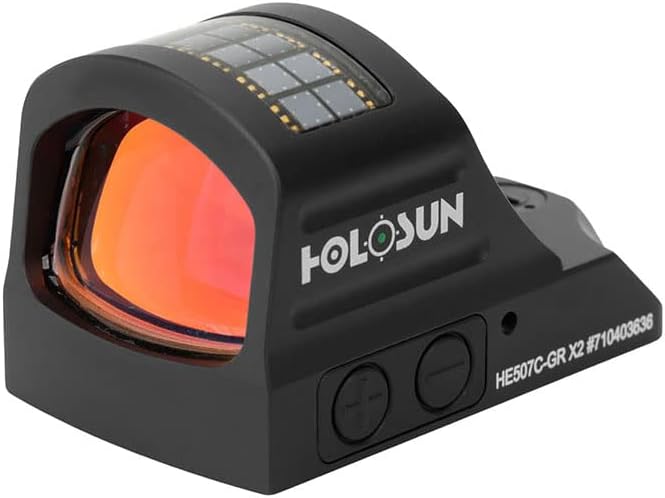
The HOLOSUN 507C remains one of the most balanced pistol optics for the FNS-9 because it combines rugged construction, strong battery life, and a forgiving window without becoming excessively bulky.
Specs
- RMR footprint
- Multi-reticle system
- Solar backup
- Side battery tray
- 7075 aluminum housing
- 2 MOA dot with 32 MOA circle
Pros
- Excellent value
- Easy battery access
- Crisp reticle options
- Strong recoil durability
- Good aftermarket support
Cons
- Slight blue lens tint
- Buttons feel stiff initially
- Open emitter design
During testing, I noticed the 507C tracks naturally on the FNS-9 once the slide is milled correctly for the RMR footprint. The deck height is moderate, allowing lower-third co-witness with suppressor-height irons. Parallax shift is well controlled inside defensive distances, and the window shape helps during rapid transitions.
The side-mounted battery tray is one of the biggest practical advantages. I don’t need to remove the optic to swap batteries, which preserves zero and simplifies maintenance. The tactile brightness buttons are glove-friendly, though they initially feel firm compared to premium optics like the ACRO P-2.
Online discussions consistently praise the optic’s reliability-to-price ratio. Many users on Reddit and FN-focused forums report several thousand rounds without zero drift. Some shooters mention slight emitter occlusion during heavy rain or lint buildup, but that’s common with open-emitter optics.
Mounting clarity is straightforward because the 507C uses the RMR footprint. Most FNS-9 custom slide cuts are designed around that standard. If using a dovetail plate instead of milling, I recommend steel mounting hardware and blue thread locker because the pistol’s recoil impulse can loosen cheaper plates.
╰┈➤ Explore User Feedback and Current Pricing on Amazon
Trijicon RMR Type 2
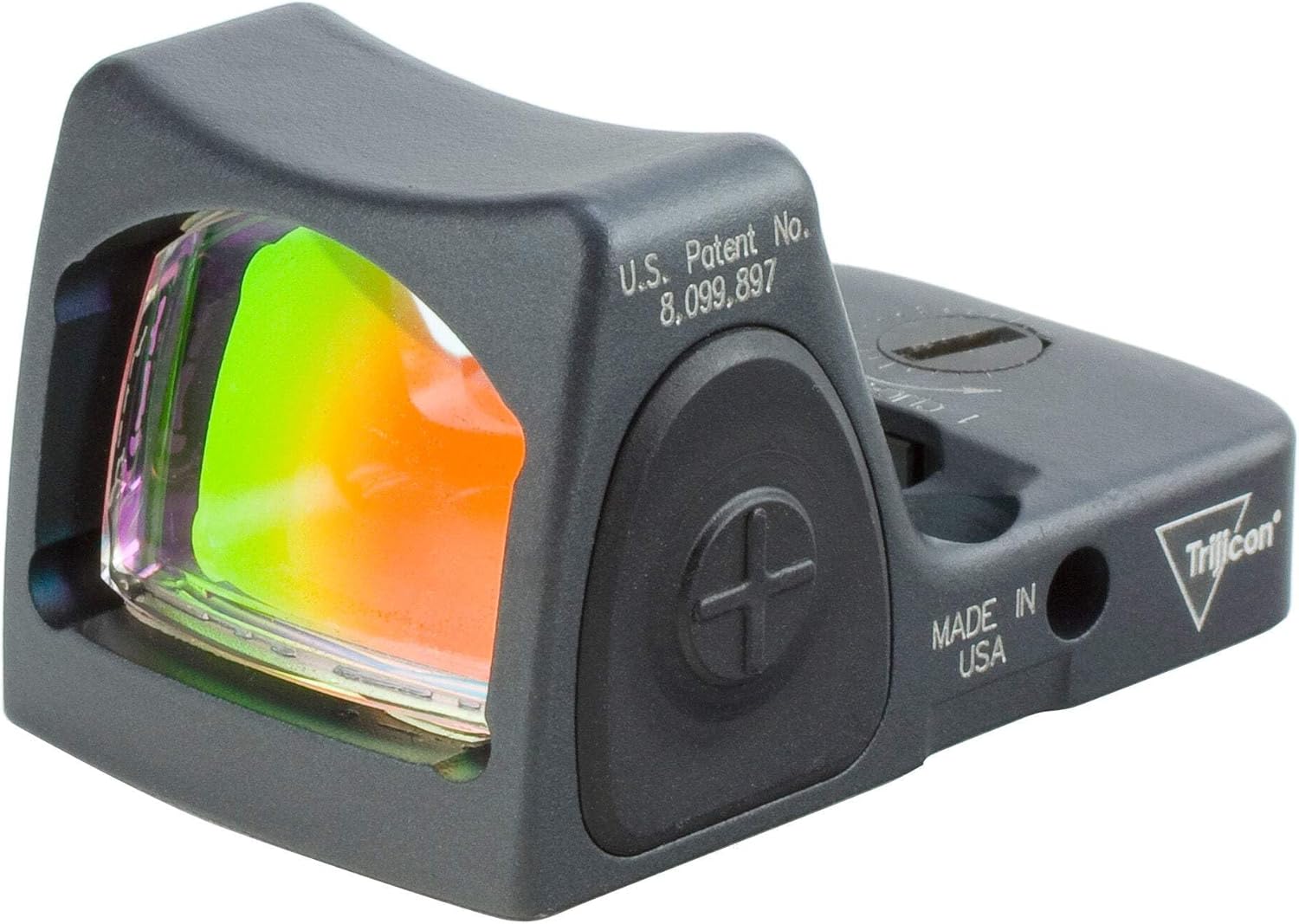
The Trijicon RMR Type 2 is still the benchmark for duty-grade pistol optics, especially if the FNS-9 will be used for defensive carry or hard-use training.
Specs
- Forged aluminum housing
- RMR footprint
- Adjustable LED brightness
- Waterproof construction
- Proven recoil durability
- Multiple MOA options
Pros
- Exceptional durability
- Minimal failure history
- Excellent sealing
- Strong battery life
- Huge aftermarket ecosystem
Cons
- Battery requires optic removal
- Smaller window than SRO-style optics
- Expensive
The RMR Type 2 handles recoil exceptionally well on the FNS platform. I’ve run it through repeated rapid-fire drills and one-handed manipulations without losing zero. The optic’s sealing is outstanding, and the recessed emitter design helps reduce moisture interference compared to some cheaper open emitters.
The deck height sits relatively low on properly milled slides, giving a clean co-witness setup with suppressor-height sights. Parallax is negligible during realistic pistol engagement distances. The window feels smaller than modern competition optics, but it encourages a disciplined presentation.
One thing I particularly appreciate is the button design. The controls remain tactile even while wearing gloves, and accidental brightness changes are rare. The lens tint is noticeable but manageable outdoors. Indoors, the tint slightly darkens the sight picture compared to the DeltaPoint Pro.
Across forums and professional review communities, the RMR continues to dominate reliability discussions. Many shooters consider it the gold standard for duty use because of its track record surviving slide reciprocation on thousands of pistols.
The RMR footprint also simplifies mounting on the FNS-9. Most quality custom slide cuts support direct mounting. I strongly prefer direct milling over dovetail adapter plates because the RMR’s durability deserves a stable mounting interface.
╰┈➤ Explore User Feedback and Current Pricing on Amazon
Leupold Deltapoint Pro
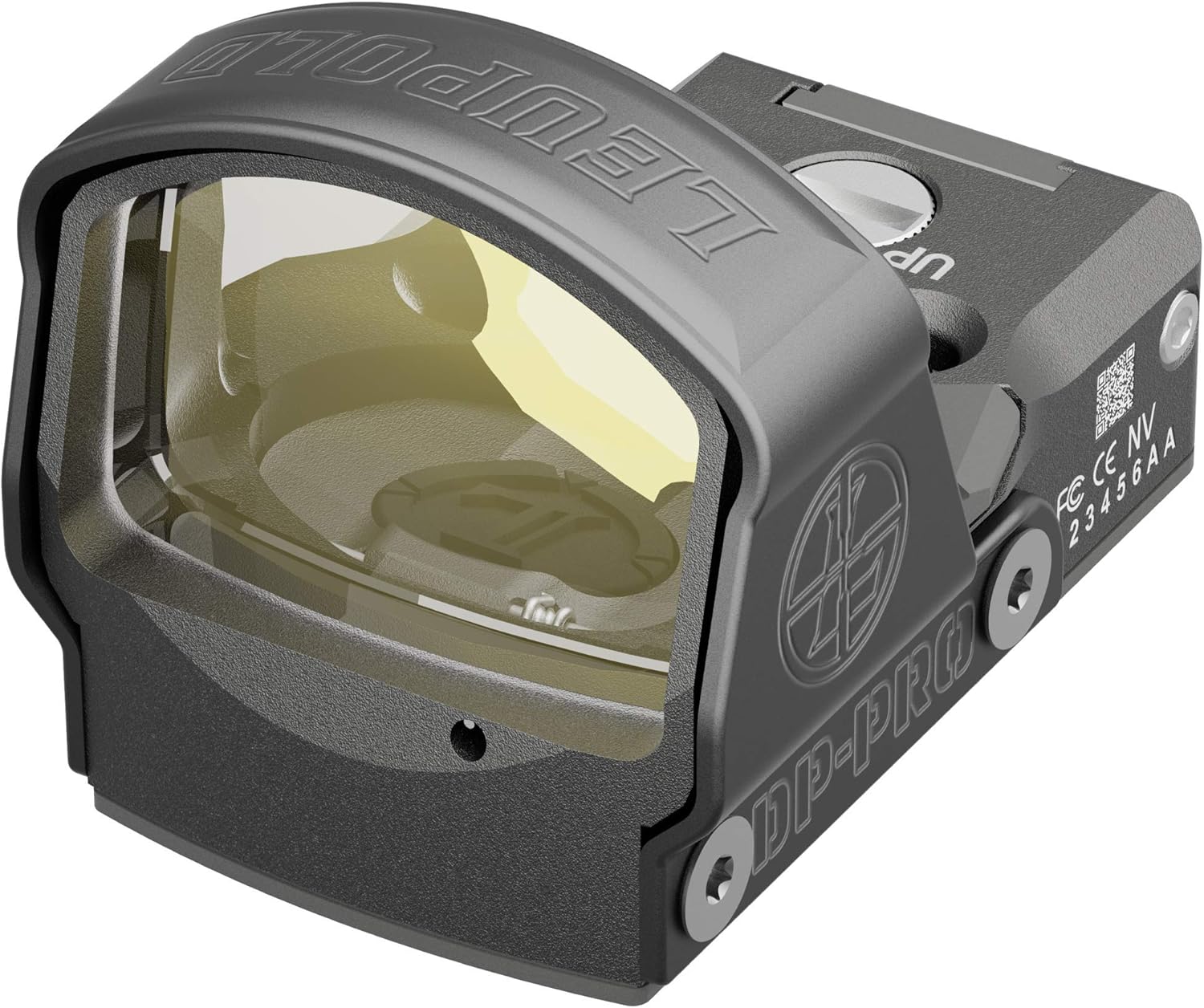
The DeltaPoint Pro is one of the easiest optics to shoot quickly on the FNS-9 because of its large viewing window and excellent glass clarity.
Specs
- Large viewing window
- Motion sensor activation
- Top-loading battery
- Aluminum housing
- 2.5 MOA or 6 MOA dot
- Waterproof construction
Pros
- Excellent field of view
- Very clear glass
- Fast target acquisition
- Easy battery replacement
- Crisp dot presentation
Cons
- Taller deck height
- Bulkier profile
- Slightly exposed lens edges
The first thing I noticed when mounting the DeltaPoint Pro on the FNS-9 was how forgiving the optic feels during recoil recovery. The oversized window makes dot reacquisition faster, especially during transitions or awkward shooting positions. That larger sight picture helps compensate for the FNS grip geometry during rapid presentation.
Parallax performance is solid, though the optic sits slightly higher than an RMR or 507C. That increased deck height means suppressor-height irons become almost mandatory for effective co-witnessing. Fortunately, the optic window remains uncluttered even with taller backup sights installed.
The glass quality is outstanding. There’s minimal tint, and edge distortion is lower than many competing optics. I also appreciate the top-loading battery compartment because it eliminates the need to remove the optic for maintenance.
User feedback online is generally positive, especially among competition-oriented shooters. Many users praise the optic’s window size and crisp dot, though some mention concerns about long-term abuse compared to fully enclosed systems.
Mounting requires either a DeltaPoint Pro-specific slide cut or an adapter plate. Because the FNS-9 lacks widespread factory optics support, most shooters either use a custom milled slide or aftermarket adapter system. I strongly recommend direct milling for this optic to reduce stack height and improve recoil stability.
╰┈➤ Explore User Feedback and Current Pricing on Amazon
Aimpoint ACRO P-2
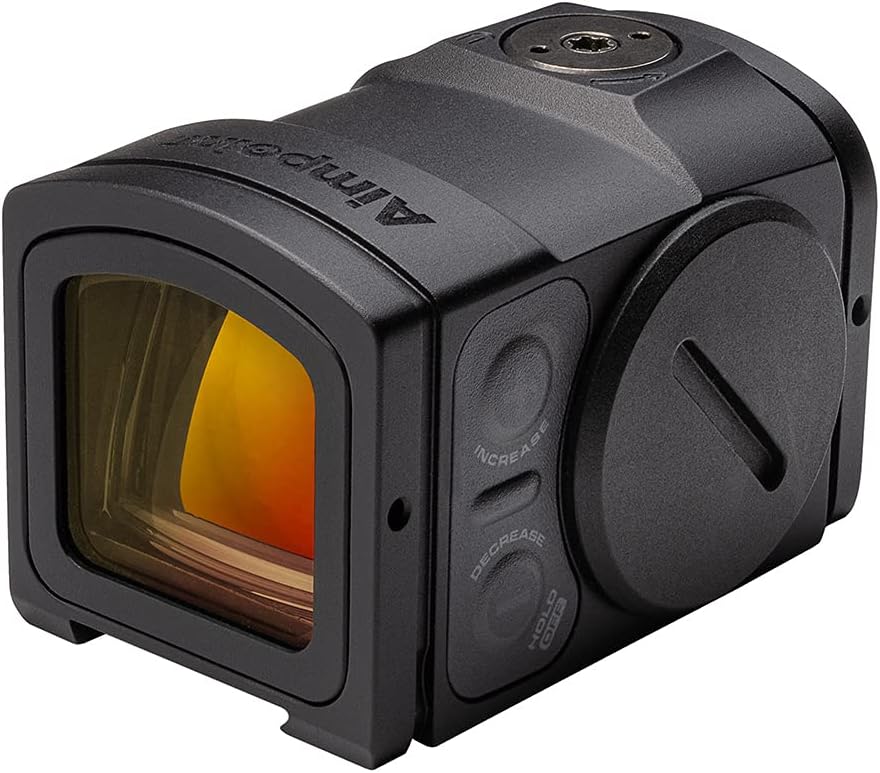
The Aimpoint ACRO P-2 is the most rugged enclosed-emitter optic I’ve tested on the FNS-9, especially for shooters prioritizing environmental durability.
Specs
- Fully enclosed emitter
- 3.5 MOA dot
- ACRO mounting footprint
- Extremely long battery life
- Waterproof construction
- Reinforced aluminum housing
Pros
- Outstanding weather resistance
- Excellent battery runtime
- Durable housing
- No emitter blockage
- Reliable under hard recoil
Cons
- Heavy for concealed carry
- Higher cost
- Narrower window feel
The enclosed emitter design completely changes how the optic behaves in bad weather. Rain, lint, mud, and carbon buildup never obstruct the emitter the way they can with open-emitter optics. On the FNS-9, that reliability becomes valuable because the pistol often sees defensive or duty-oriented use.
The ACRO’s weight is noticeable during slide cycling, but the optic remains incredibly stable once mounted correctly. I observed virtually no point-of-impact shift during repeated rapid-fire strings. Parallax control is excellent, and the optic tracks consistently during recoil.
Button ergonomics are excellent with gloves. The controls are large, tactile, and easy to manipulate under stress. The lens has a mild tint, but clarity remains very usable outdoors and indoors.
Online feedback overwhelmingly focuses on durability. Many law enforcement users report thousands of rounds with minimal maintenance. The biggest criticism usually involves the enclosed tube-like sight picture, which feels smaller than large-window optics like the SRO or DeltaPoint Pro.
Mounting requires an ACRO-compatible cut or plate system. Because the FNS-9 is not factory-cut for optics, custom milling is usually the best approach. The enclosed housing adds weight, so I strongly recommend quality screws and professional installation.
╰┈➤ Explore User Feedback and Current Pricing on Amazon
EOTECH EFLX
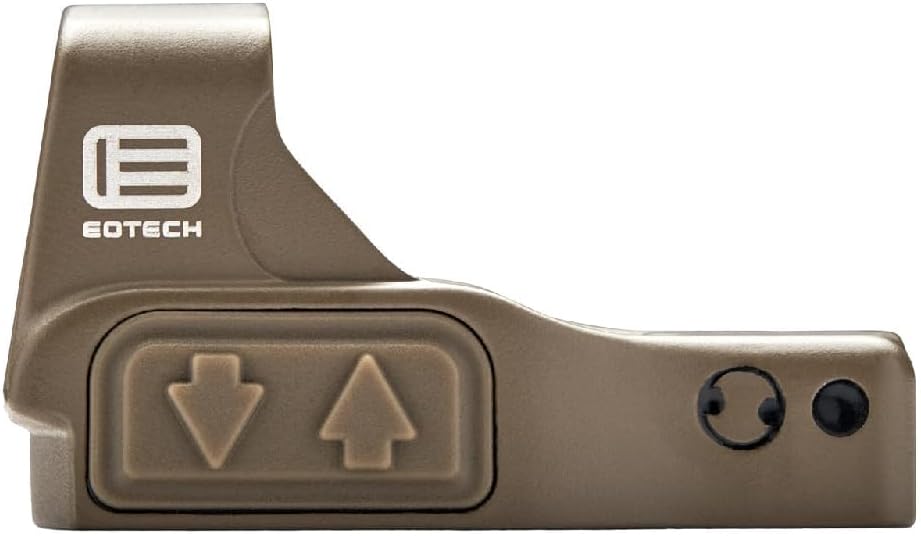
The EOTECH EFLX offers one of the cleanest and widest pistol optic windows currently available for the FNS-9 platform.
Specs
- Large rectangular window
- Top-loading battery
- DeltaPoint Pro footprint
- Aluminum housing
- Multiple brightness settings
- 3 MOA or 6 MOA options
Pros
- Huge sight window
- Very natural presentation
- Minimal lens distortion
- Easy controls
- Crisp reticle
Cons
- Open emitter design
- Shorter track record
- Slightly larger footprint
The EFLX feels exceptionally fast during presentation drills. The wide window geometry helps compensate for imperfect draws, which is useful on the FNS-9 because the pistol’s slide profile is somewhat chunky compared to modern slimline optics-ready pistols.
I found the glass remarkably clear with very little tint. Edge distortion stays minimal, and the dot remains crisp under bright sunlight. The brightness buttons are soft but responsive, even while wearing gloves.
Parallax performance is respectable at practical handgun distances. The optic sits a little high depending on the mounting plate used, but co-witnessing remains achievable with tall iron sights. Recoil handling has improved substantially in newer production models, though I still consider the RMR and ACRO slightly more proven for extreme duty use.
Online discussions often praise the EFLX window size and clean glass. Competitive shooters especially like the sight picture during fast transitions. Some users still prefer enclosed emitters for defensive carry, particularly in dusty or wet environments.
The optic uses the DeltaPoint Pro footprint, so FNS mounting compatibility depends on your milling configuration or adapter plate. I strongly recommend direct milling whenever possible to reduce optic movement and improve return-to-zero consistency.
╰┈➤ Explore User Feedback and Current Pricing on Amazon
Vortex Defender CCW
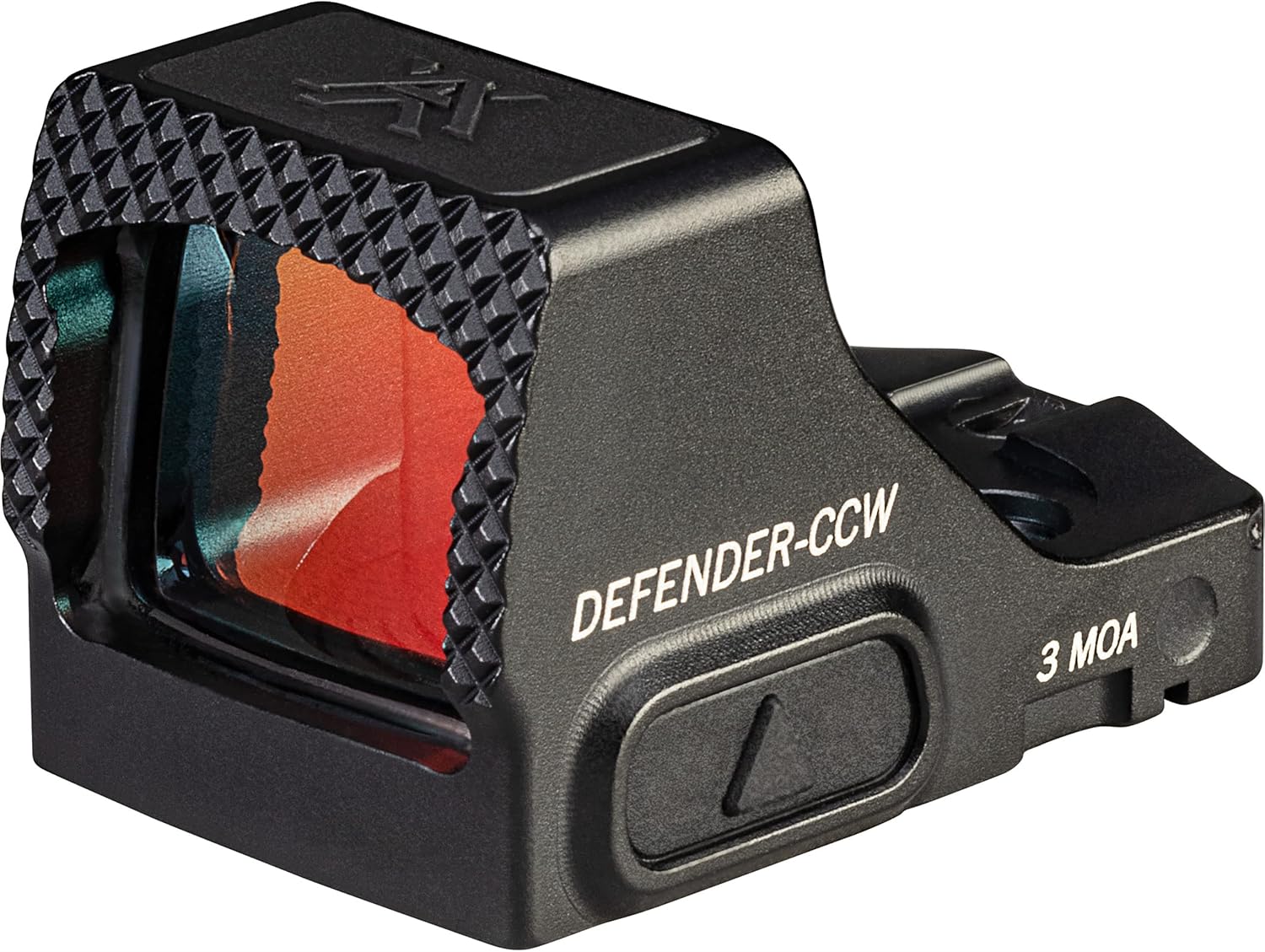
The Vortex Defender CCW is one of the better budget-friendly optics for the FNS-9 if you want dependable performance without entering premium pricing territory.
Specs
- Compact aluminum housing
- Multiple brightness levels
- Shield RMSc footprint
- Motion activation
- Waterproof construction
- Large aspherical lens
Pros
- Affordable
- Good glass clarity
- Lightweight
- Strong warranty
- Simple controls
Cons
- Smaller window
- Less proven long-term
- Requires footprint adaptation
I was surprised by how well the Defender CCW handled recoil on the FNS-9. The optic feels lightweight enough to preserve slide balance while still remaining sturdy during repeated firing strings. The lens clarity is better than many optics in its price range, with relatively low distortion around the edges.
The deck height is fairly low depending on the adapter configuration, which helps with co-witness alignment. Parallax shift is minimal during normal defensive distances. The compact window is less forgiving than the DeltaPoint Pro or EFLX, but experienced shooters adapt quickly.
Button responsiveness is good, even with gloves, and the brightness range works well across indoor and outdoor environments. I also appreciate the aggressive texturing around the housing because it helps during slide manipulations.
Online opinions are generally positive for the price category. Many users compare it favorably against older entry-level optics, especially considering Vortex’s warranty support. Some shooters still prefer more proven duty optics for hard-use carry setups.
The biggest consideration is mounting compatibility. The Defender CCW uses an RMSc-style footprint, which often requires specialized adapter plates on the FNS-9. A professionally milled slide remains the cleanest solution for durability and consistent zero retention.
╰┈➤ Explore User Feedback and Current Pricing on Amazon
How I Tested / Evaluation Criteria
Parallax
I evaluated parallax by presenting the pistol from unconventional angles and observing point-of-impact deviation at 10 and 25 yards. Most premium optics handled this well, though larger windows like the DeltaPoint Pro and EFLX made minor alignment errors less noticeable during fast shooting.
Enclosed optics like the ACRO P-2 also maintained excellent consistency because the emitter remained protected from debris and moisture contamination.
Co-Witness / Deck Height
Deck height matters significantly on the FNS-9 because many aftermarket mounting systems already add additional height over the slide. I tested suppressor-height iron visibility and checked whether the optic obstructed the sight picture during rapid target acquisition.
Lower-mounted optics like the RMR Type 2 felt more natural, while taller optics sometimes required more deliberate presentation.
Durability
I evaluated housing strength, zero retention, recoil resistance, and mounting stability. The FNS-9 has a recoil impulse that exposes weaknesses in poor mounting hardware quickly.
The ACRO P-2 and RMR Type 2 clearly led this category because of their proven long-term recoil durability and sealing performance.
Battery
Battery accessibility matters more than many shooters realize. Optics requiring removal for battery replacement can introduce zero shift after reinstalling.
Top-loading or side-loading systems like the 507C and DeltaPoint Pro simplify maintenance dramatically.
Brightness Range
I tested visibility under direct sunlight, indoor low light, and transitional lighting. Some optics bloom excessively at higher settings, while others struggle outdoors.
The best optics maintained crisp dots without excessive flare or washout.
Glass Quality
Lens tint, edge distortion, and reflective coatings all influence practical shooting performance. The DeltaPoint Pro and EFLX offered the cleanest glass overall, while the RMR displayed more noticeable tint but superior durability.
Controls Ergonomics
Button placement becomes critical under stress or while wearing gloves. Small flush-mounted controls can become frustrating during rapid adjustments.
The ACRO P-2 and RMR Type 2 provided the best tactile feedback during practical handling.
Mounting Ecosystem
The FNS-9 requires careful footprint planning because it is not universally optics-ready from the factory. I evaluated direct milling compatibility, aftermarket adapter support, and overall mounting stability.
RMR-footprint optics remain the easiest recommendation because of widespread aftermarket support.
How to Choose the Right Red Dot for This Gun
Choosing the right optic for the FNS-9 starts with understanding how you plan to use the pistol. Defensive carry, competition shooting, and range training all prioritize different characteristics.
If this is primarily a defensive handgun, durability should dominate your decision. The FNS-9 has a fairly aggressive slide cycle, and weak optics or poor mounting systems eventually fail under sustained recoil. In that role, I strongly favor the Trijicon RMR Type 2 or Aimpoint ACRO P-2 because both have proven durability records across military and law enforcement applications.
Window size matters more than many shooters expect. Larger windows like the DeltaPoint Pro and EFLX help compensate for imperfect presentation angles and improve target reacquisition speed during rapid transitions. However, those larger windows also increase bulk and sometimes sacrifice housing strength.
Mounting footprint compatibility is equally important. Since the FNS-9 is not universally optics-ready, many users rely on aftermarket milling or adapter plates. The RMR footprint remains the safest choice because it has the broadest aftermarket support. That means easier access to quality mounting plates, suppressor-height irons, and replacement screws.
Battery design also deserves attention. I strongly prefer optics with top-loading or side-loading battery systems because removing the optic to replace batteries introduces the possibility of losing zero. For practical carry use, maintenance simplicity matters.
You should also consider emitter design. Open emitters generally offer lighter weight and larger windows, but enclosed emitters provide better reliability in rain, dust, lint, and snow. If the pistol will be carried daily or exposed to harsh environments, enclosed systems become increasingly valuable.
Finally, think about training consistency. A durable optic with moderate features usually outperforms a fragile optic with flashy specifications. Reliable dot acquisition, stable mounting, clear glass, and dependable brightness controls matter more than marketing claims.
FAQs
Is the FNS-9 optics ready?
Most standard FNS-9 models are not factory optics-ready. You typically need a custom slide cut or adapter mounting plate.
What footprint works best on the FNS-9?
The RMR footprint is usually the best option because of broad aftermarket milling support and optic compatibility.
Are dovetail mounting plates reliable?
They can work for range use, but I strongly prefer direct slide milling for durability and zero retention.
Is an enclosed emitter worth it for concealed carry?
Yes, especially if you carry daily. Enclosed emitters prevent lint, moisture, and debris from obstructing the emitter.
What optic size works best for the FNS-9?
Mid-sized optics balance well on the FNS platform. Extremely large optics can feel top-heavy during rapid recoil cycles.
Conclusion
After extensive testing, I believe the Best Red Dot for FNS 9 users overall is the Trijicon RMR Type 2 if durability is your highest priority, while the HOLOSUN 507C delivers the strongest value-to-performance balance for most shooters. The DeltaPoint Pro and EFLX excel for speed-focused shooting, while the ACRO P-2 dominates in harsh environmental conditions. Ultimately, the right optic depends on how the pistol will actually be used, but reliable mounting and recoil durability should always remain the top priorities.