Best Red Dot for Glock 17 Gen 3
Best Red Dot for Glock 17 Gen 3 setups are no longer limited to competition shooters or custom defensive pistols. The Gen 3 Glock 17 remains one of the easiest full-size handguns to customize, and once you add a quality optic cut or mounting plate, the pistol becomes dramatically faster at target acquisition, more forgiving under recoil, and easier to track during rapid strings.
I’ve tested dozens of optics on Gen 3 Glock platforms over the years, including open-emitter and enclosed-emitter designs. The biggest challenge is balancing deck height, window size, durability, and mounting compatibility without turning the pistol into an awkward top-heavy build. Some optics excel at concealed carry while others dominate on the range or in duty-style use.
For this guide, I focused on six optics that consistently perform well on Glock 17 Gen 3 pistols. I evaluated glass clarity, parallax behavior, battery systems, recoil handling, lens tint, emitter design, and long-term reliability. I also considered mounting ecosystem support because Gen 3 pistols often require aftermarket slide milling or MOS adapter solutions.
Top Product List: Best Red Dot for Glock 17 Gen 3
Trijicon RMR Type 2
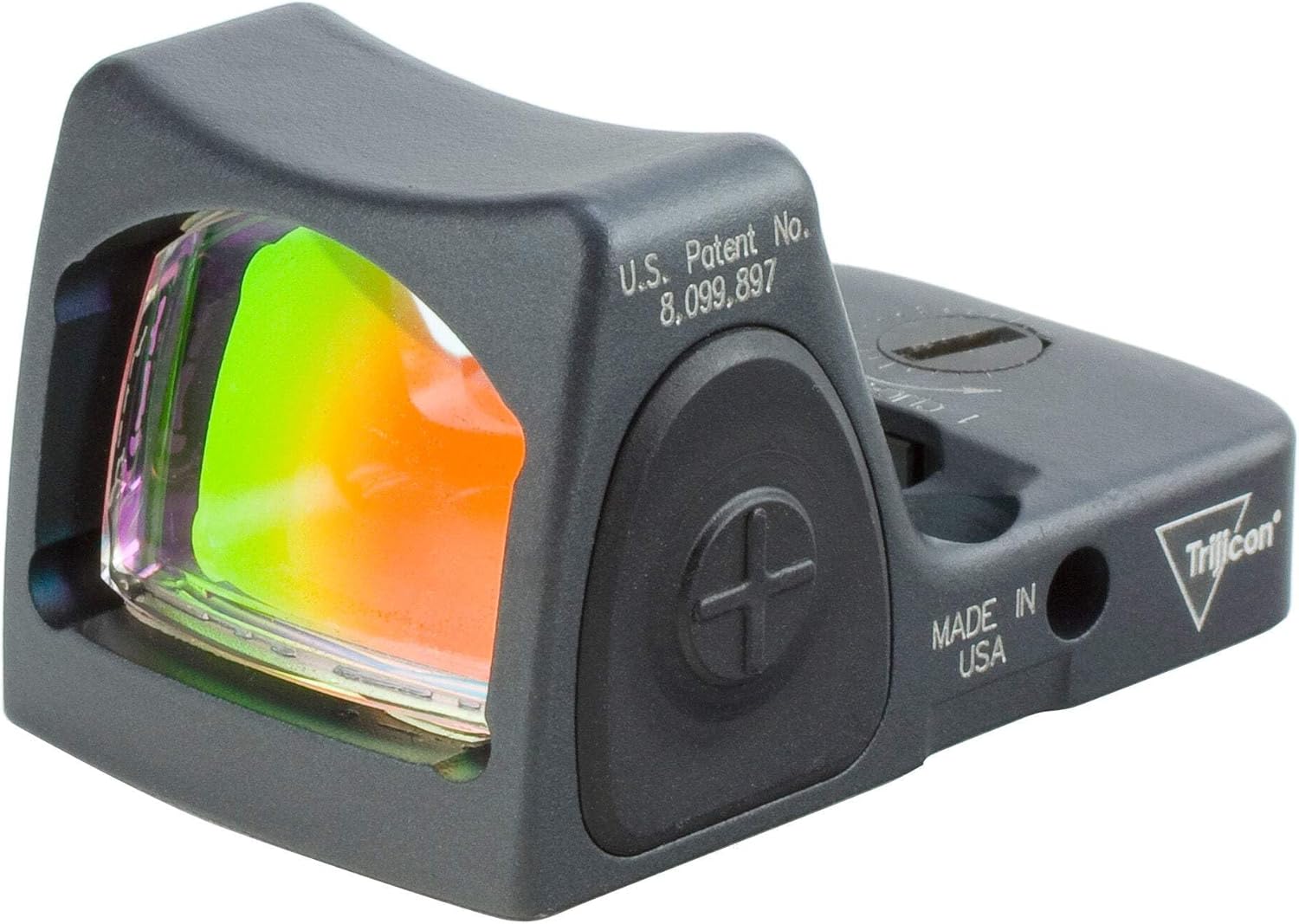
The RMR Type 2 remains one of the most proven pistol optics ever mounted to a Glock platform. Its forged housing, dependable electronics, and mature mounting ecosystem still make it a benchmark for hard-use pistols.
Specs
- 3.25 MOA or 6.5 MOA dot options
- RMR footprint
- 7075-T6 aluminum housing
- Adjustable LED illumination
- CR2032 battery
- Waterproof to 20 meters
Pros
- Exceptional durability
- Huge aftermarket support
- Excellent recoil resistance
- Crisp dot definition
- Reliable brightness controls
Cons
- Noticeable blue lens tint
- Bottom battery access
- Smaller viewing window than modern competitors
In live fire testing, the RMR handled recoil impulse extremely well on my Gen 3 Glock 17. The optic tracks predictably during rapid transitions and settles back into the window quickly. Parallax shift remains minimal at defensive distances, and the optic stays usable even when the dot is slightly off-center.
The deck height is moderate enough for lower-third co-witness with suppressor-height sights. I particularly like how stable the RMR feels under aggressive slide cycling. The tactile brightness buttons are easy to manipulate with gloves, although the recessed design can feel stiff during cold-weather shooting.
Online discussions consistently praise the optic’s reliability. Reddit users and law enforcement forums still regard it as the safest choice for a defensive Glock setup. Complaints usually center on the smaller window and battery replacement process.
For mounting, the Glock 17 Gen 3 requires either an RMR-cut slide or adapter plate. Fortunately, RMR footprint support is everywhere, which makes future optic changes easy.
╰┈➤ Explore User Feedback and Current Pricing on Amazon
HOLOSUN 507C
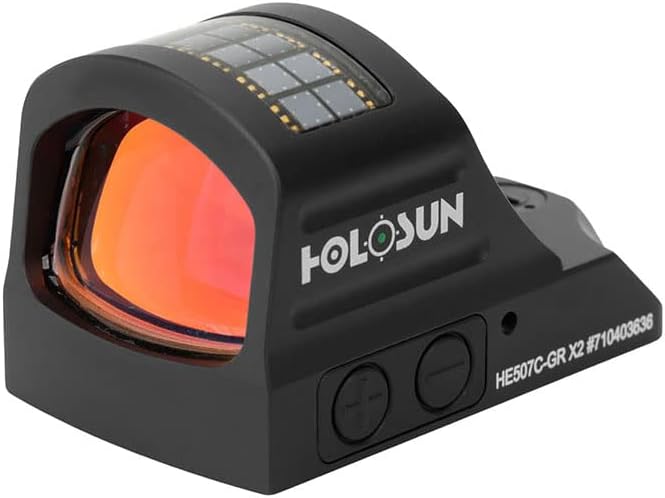
The 507C is one of the best value optics available for a full-size Glock. It combines practical durability, a versatile reticle system, and a large enough window for fast shooting without becoming oversized.
Specs
- Multi-reticle system
- Solar backup
- Side battery tray
- RMR footprint
- Shake Awake technology
- 7075 aluminum housing
Pros
- Excellent feature set
- Side-loading battery
- Large usable window
- Multiple reticle choices
- Strong value proposition
Cons
- Slight lens distortion at edges
- More visible emitter reflection
- Buttons feel softer than premium optics
The 507C feels very natural on a Glock 17 Gen 3 because the optic size matches the slide dimensions well. During recoil testing, I found the 32 MOA circle and 2 MOA dot combination extremely fast during close-range drills. The optic returns into the visual plane quickly, especially during bill drills and transitions.
Glass quality is respectable with only moderate green tint. The emitter is partially exposed, so rain, lint, or mud can block projection if neglected. Still, the optic’s overall durability impressed me during repeated range sessions.
Co-witness capability is excellent with suppressor-height irons. The side battery tray is one of my favorite design choices because I don’t need to remove the optic to maintain zero. Button tactility is decent, though slightly mushier than premium military-grade optics.
Online shooters consistently recommend the 507C for Glock owners because it balances price and performance so effectively. Competitive shooters appreciate the fast reticle acquisition while defensive users like the long battery life and Shake Awake feature.
Mounting is straightforward thanks to the RMR footprint. A properly milled Glock 17 Gen 3 slide gives the optic a low, stable fit that feels secure during heavy recoil.
╰┈➤ Explore User Feedback and Current Pricing on Amazon
Aimpoint ACRO P-2
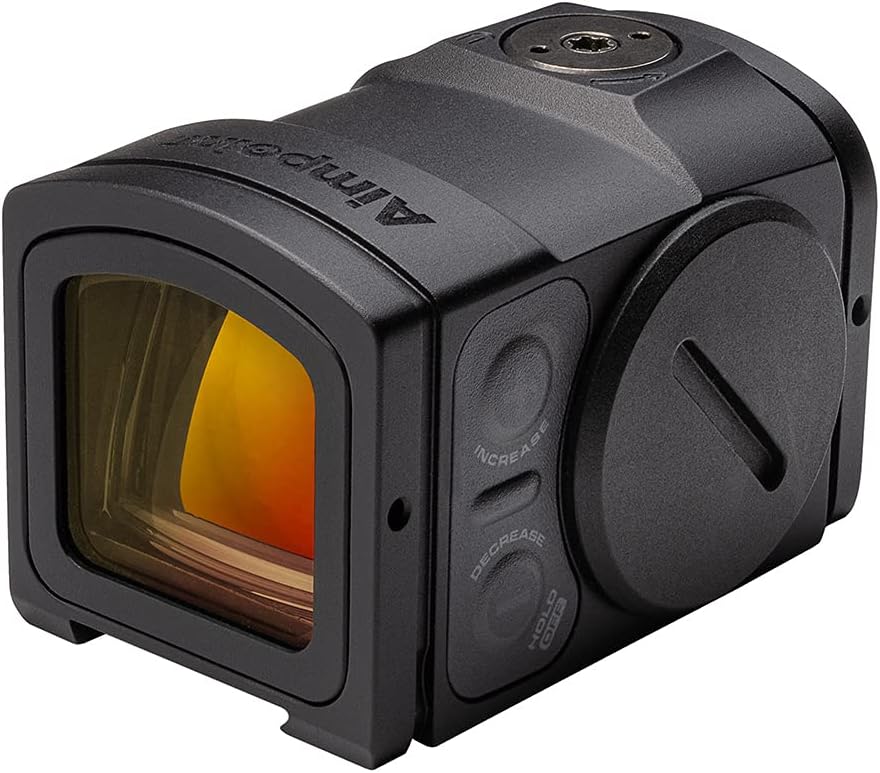
The ACRO P-2 is the enclosed-emitter optic I trust most for hard environmental use. It is compact, rugged, and extremely resilient against water, dust, and emitter occlusion.
Specs
- Fully enclosed emitter
- 3.5 MOA dot
- ACRO footprint
- 50,000-hour battery life
- Submersible construction
- Night vision compatible
Pros
- Outstanding durability
- Completely enclosed system
- Excellent battery life
- Clear, crisp dot
- Reliable in harsh conditions
Cons
- Expensive
- Heavier than open emitters
- Smaller window feel
The ACRO P-2 changes the handling characteristics of a Glock 17 slightly because of its enclosed housing. The optic sits taller and feels denser than an RMR-pattern optic, but the tradeoff is extreme reliability in dirty or wet environments.
During recoil testing, the optic never lost zero and maintained consistent brightness settings. The glass has a mild blue tint but remains impressively clear. Parallax behavior is controlled well, and the dot stays visible during unconventional shooting angles.
One detail I appreciated was the battery compartment design. Side battery access means zero retention remains consistent during maintenance. The adjustment clicks are positive and precise, which helps during fine-tuning sessions.
Online feedback strongly favors the ACRO for duty and defensive use. Many shooters who moved from open-emitter optics say they will not return after experiencing how enclosed systems resist lint, rain, and carbon buildup.
Mounting requires an ACRO-compatible slide cut or adapter plate. Because the optic sits higher, taller suppressor-height irons are usually necessary for co-witnessing on a Glock 17 Gen 3.
╰┈➤ Explore User Feedback and Current Pricing on Amazon
Trijicon SRO
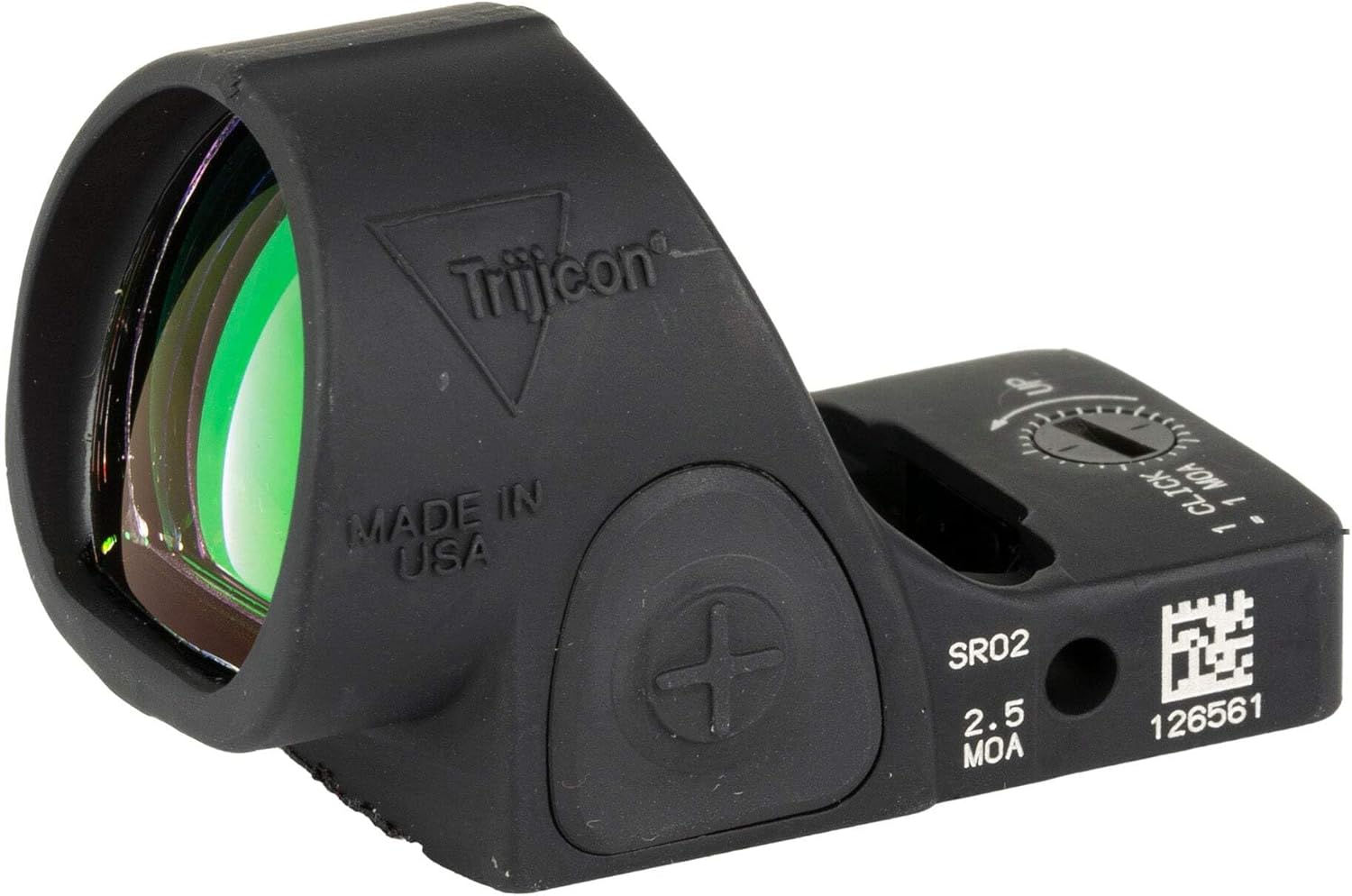
The SRO delivers one of the largest and easiest-to-track windows available on a pistol optic. It excels in competition-style shooting where rapid target acquisition matters more than extreme impact resistance.
Specs
- Massive circular window
- Top-loading battery
- Adjustable LED brightness
- RMR footprint
- Multiple MOA options
- Aluminum housing
Pros
- Huge field of view
- Fast dot tracking
- Crisp glass quality
- Easy battery replacement
- Excellent for rapid shooting
Cons
- Less impact resistant than RMR
- Large housing profile
- More exposed lens area
The oversized viewing window dramatically changes how the Glock 17 behaves during fast shooting. I could track the dot through recoil more consistently than almost any other optic in this category. For USPSA-style movement drills, the SRO feels exceptionally forgiving.
Glass clarity is excellent with less tint than the RMR. The larger lens geometry also creates less perceived tunnel effect. However, the optic’s housing shape exposes more glass surface, which increases vulnerability to impact damage.
Button ergonomics are excellent, especially with gloves. The top battery compartment is another major advantage because it avoids unnecessary rezeroing. During testing, the dot remained crisp even at higher brightness settings with minimal bloom.
Competitive shooters online consistently praise the SRO for speed. Defensive users are more divided because the optic sacrifices some ruggedness for performance. Still, on a Glock 17 range pistol or competition build, the SRO is outstanding.
The optic uses the RMR footprint, making mounting simple on properly cut Gen 3 Glock slides. Lower-third co-witnessing remains achievable with standard suppressor-height iron sights.
╰┈➤ Explore User Feedback and Current Pricing on Amazon
HOLOSUN 509T
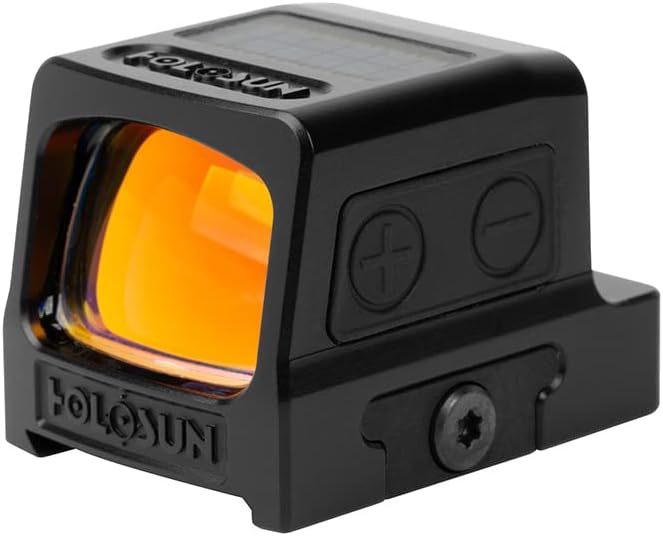
The 509T combines enclosed-emitter reliability with titanium durability. It feels purpose-built for shooters who want a defensive optic capable of surviving hard use without excessive bulk.
Specs
- Titanium housing
- Fully enclosed emitter
- Multi-reticle system
- Solar failsafe
- Side battery tray
- Proprietary mounting interface
Pros
- Extremely durable housing
- Excellent weather protection
- Side-loading battery
- Flexible reticle system
- Good recoil handling
Cons
- Proprietary footprint
- Slightly bulky profile
- Visible internal reflections
The 509T performs extremely well on a Glock 17 Gen 3 during high-round-count sessions. The enclosed emitter prevents dust and carbon obstruction, which matters during outdoor range use and defensive carry.
Recoil tracking feels smooth and predictable. Although the optic sits slightly taller than open-emitter designs, the extra height did not negatively affect presentation after a short adjustment period. The reticle options are also genuinely useful, particularly the circle-dot setup for close-range acquisition.
Glass quality is solid with moderate tint. I did notice occasional internal reflections under strong overhead lighting, but not enough to interfere with shooting. The battery tray design is excellent and avoids unnecessary zero shifts.
Online discussion around the 509T often centers on durability. Many shooters compare it directly to the ACRO P-2 because both prioritize enclosed reliability. The 509T generally wins on feature set and price while the ACRO edges ahead in perceived bombproof construction.
Mounting requires a dedicated plate or compatible slide cut because the footprint differs from standard RMR optics. Once installed properly, though, the optic feels exceptionally secure.
╰┈➤ Explore User Feedback and Current Pricing on Amazon
Steiner MPS
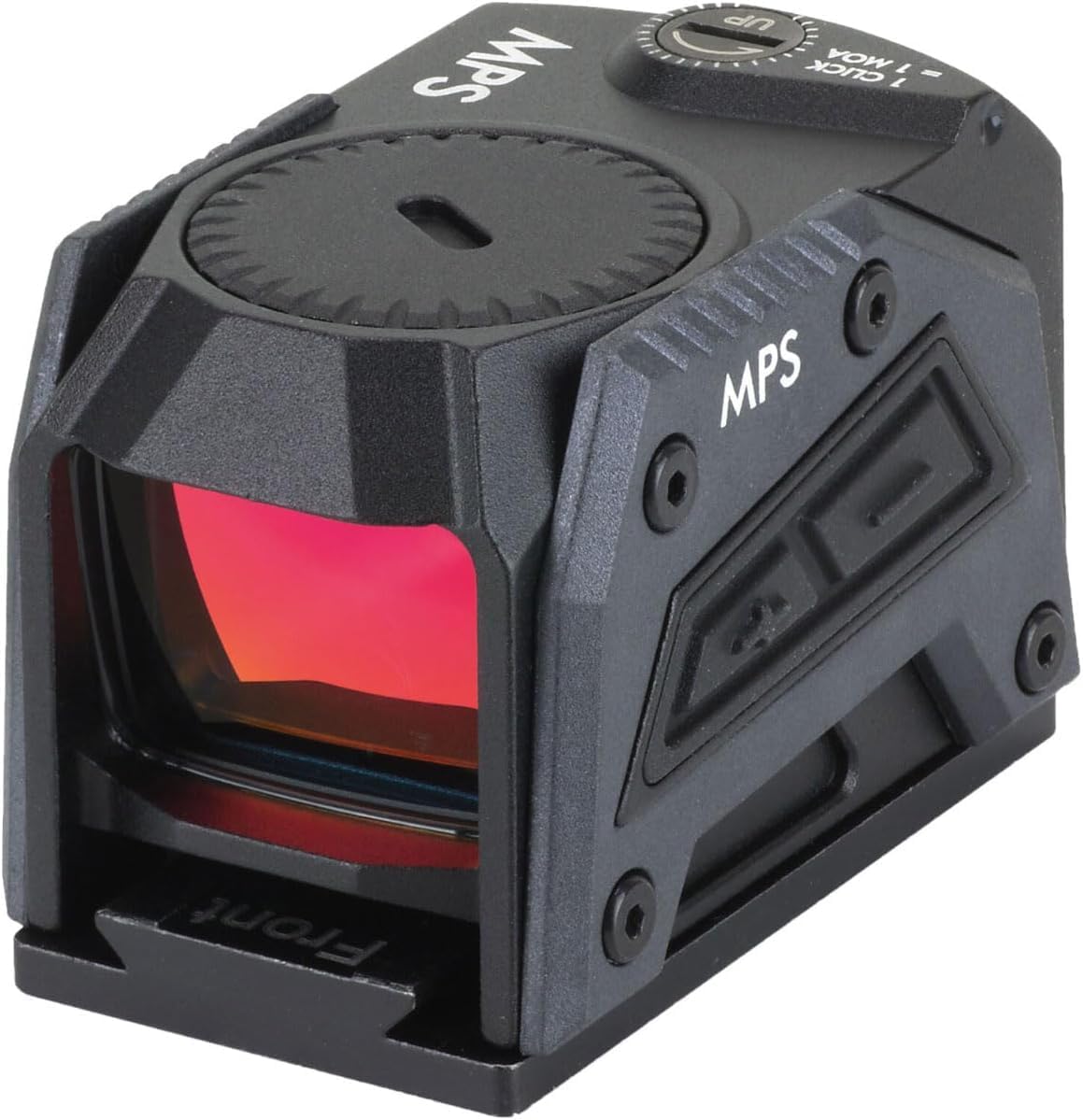
The Steiner MPS is an underrated enclosed-emitter optic that balances ruggedness, glass quality, and practical size surprisingly well on full-size Glock pistols.
Specs
- Enclosed emitter
- Large square window
- Side battery compartment
- Waterproof construction
- Aluminum housing
- Night vision compatible
Pros
- Excellent glass clarity
- Wide usable window
- Durable enclosed design
- Strong brightness range
- Reliable controls
Cons
- Slightly heavier profile
- Limited aftermarket support
- Higher mounting position
The MPS feels extremely stable on a Glock 17 Gen 3 during recoil. The larger square viewing window creates a more open sight picture than many enclosed optics, which helps during rapid target transitions.
Glass quality impressed me immediately. Lens tint remains minimal and edge distortion is very well controlled. The optic also handles bright sunlight effectively without excessive washout. Button tactility is excellent even with gloves, and the brightness adjustment system feels intuitive.
Parallax performance was strong during practical shooting drills. I intentionally tested off-axis alignment and still maintained accurate impacts at realistic handgun distances. The enclosed emitter also completely eliminates weather-related emitter blockage.
Online users frequently compare the MPS favorably against the ACRO. Many shooters prefer its larger window and slightly more forgiving sight picture. Criticism generally focuses on mounting height and limited aftermarket ecosystem.
The MPS requires an ACRO-style mounting interface. On a Glock 17 Gen 3, suppressor-height sights are strongly recommended because the optic sits relatively high above the slide.
╰┈➤ Explore User Feedback and Current Pricing on Amazon
How I Tested / Evaluation Criteria
Parallax
I evaluated each optic by intentionally shifting eye position during dry fire and live fire drills. While all pistol dots exhibit some parallax shift, the better optics minimized apparent movement at defensive distances. The ACRO P-2 and RMR Type 2 performed especially well under imperfect head positioning.
Co-Witness / Deck Height
Deck height dramatically affects presentation consistency on a Glock 17 Gen 3. Lower-mounted optics generally allow faster adaptation from iron sights to red dots. I also tested lower-third co-witness setups using suppressor-height irons to determine practical compatibility.
Durability
Every optic experienced repeated recoil cycles, slide manipulations, and rough handling. I paid attention to lens retention, housing flex, brightness consistency, and zero retention. Enclosed emitters demonstrated clear advantages during dirty outdoor sessions.
Battery
Battery access design matters more than many shooters realize. Top-loading and side-loading systems simplify maintenance while preserving zero. I also evaluated auto-brightness systems, battery life estimates, and compartment sealing quality.
Brightness Range
Brightness settings must function across indoor and outdoor conditions. Some optics bloom excessively at maximum output while others become difficult to see under direct sunlight. I preferred optics with intuitive controls and strong daylight performance.
Glass Quality
Lens tint, distortion, and emitter clarity all influence shooting comfort. I specifically checked edge distortion during rapid transitions and evaluated how much blue or green tint affected target visibility.
Controls Ergonomics
Button size and tactile feedback become important when shooting with gloves or under stress. Some optics have recessed buttons that reduce accidental adjustments but slow intentional changes.
Mounting Ecosystem
The Glock 17 Gen 3 lacks factory MOS cuts, so aftermarket support matters heavily. Optics using the RMR footprint remain easiest to mount because slides, plates, and iron sight options are widely available.
How to Choose the Right Red Dot for This Gun
Choosing a red dot for a Glock 17 Gen 3 starts with understanding how you actually use the pistol. A competition-oriented setup looks very different from a duty or concealed carry configuration.
If your priority is durability above all else, enclosed-emitter optics deserve serious consideration. Designs like the ACRO P-2, Steiner MPS, and 509T prevent rain, lint, and carbon from blocking the emitter. That matters more than many shooters expect, especially if the pistol spends time outdoors or inside a defensive holster.
Window size is another major factor. Larger windows improve target transitions and help new red dot shooters track the dot through recoil. The SRO dominates this category, though it trades some ruggedness for speed. Smaller windows can still perform extremely well once presentation fundamentals improve.
Mounting compatibility is critical on Gen 3 Glock pistols because they require aftermarket milling or adapter systems. RMR footprint optics remain the easiest path because the ecosystem is enormous. You will find more slide cuts, mounting plates, backup irons, and holster compatibility with RMR-based setups.
Deck height also changes shooting feel. Lower-mounted optics present more naturally and simplify co-witness alignment. Taller enclosed optics sometimes require an adjustment period, particularly for shooters transitioning from iron sights.
Battery systems deserve more attention than most buyers give them. Bottom-mounted batteries require optic removal, which can affect zero confirmation. Side-loading and top-loading systems are more convenient for defensive pistols that need consistent readiness.
Finally, consider intended shooting style. Defensive shooters should prioritize durability, emitter protection, and long-term reliability. Competitive shooters may benefit more from oversized windows and faster visual tracking. The good news is that the Glock 17 Gen 3 supports nearly every modern optic configuration with the proper slide cut.
FAQs
What footprint works best on a Glock 17 Gen 3?
The RMR footprint remains the most practical option because it has the widest aftermarket support for slide cuts, adapter plates, and suppressor-height sights.
Are enclosed-emitter optics better for defensive use?
In many cases, yes. Enclosed emitters prevent debris, moisture, and lint from blocking the emitter window, which improves reliability under harsh conditions.
Do I need suppressor-height sights?
Yes, in most cases. They provide lower-third co-witness capability and act as backup aiming references if the optic fails.
Can I install a red dot without milling the slide?
Yes, but adapter plates replacing the rear sight generally sit higher and feel less stable. Direct slide milling is usually the superior option.
Which dot size works best on a Glock 17?
A 3 MOA to 6 MOA dot works well for most shooters. Smaller dots favor precision while larger dots improve rapid acquisition.
Conclusion
Finding the Best Red Dot for Glock 17 Gen 3 ultimately comes down to balancing durability, window size, mounting compatibility, and intended use. For hard-use reliability, I still trust the Trijicon RMR Type 2 and Aimpoint ACRO P-2 the most. For value and versatility, the HOLOSUN 507C and 509T are extremely difficult to beat. Shooters focused on speed and competition performance will likely appreciate the Trijicon SRO, while the Steiner MPS remains one of the most underrated enclosed-emitter optics currently available.
The Gen 3 Glock 17 continues to be one of the best optic-ready custom platforms ever made, and pairing it with the right red dot transforms the pistol into a faster, more capable shooting system.