Best Red Dot for Glock 17 Gen 4
Best Red Dot for Glock 17 Gen 4 setups have become dramatically more refined over the last few years, especially as optics-ready slides and durable enclosed emitters have matured. I’ve spent a lot of range time running optics on full-size Glock platforms, and the Gen 4 remains one of the easiest pistols to tune around a red dot because of its recoil balance, slide mass, and massive aftermarket support.
The challenge is choosing an optic that actually complements the Glock 17 Gen 4 instead of turning it into a top-heavy or inconsistent handgun. Window size, deck height, emitter protection, battery access, and mounting footprint all matter more than marketing claims. Some optics excel for duty use, others for USPSA competition, and a few stand out as all-around carry and range options.
Below are the six optics I think currently make the most sense for the platform based on durability, sight picture quality, mounting compatibility, and long-term reliability.
Top Product List: Best Red Dot for Glock 17 Gen 4
Trijicon RMR Type 2
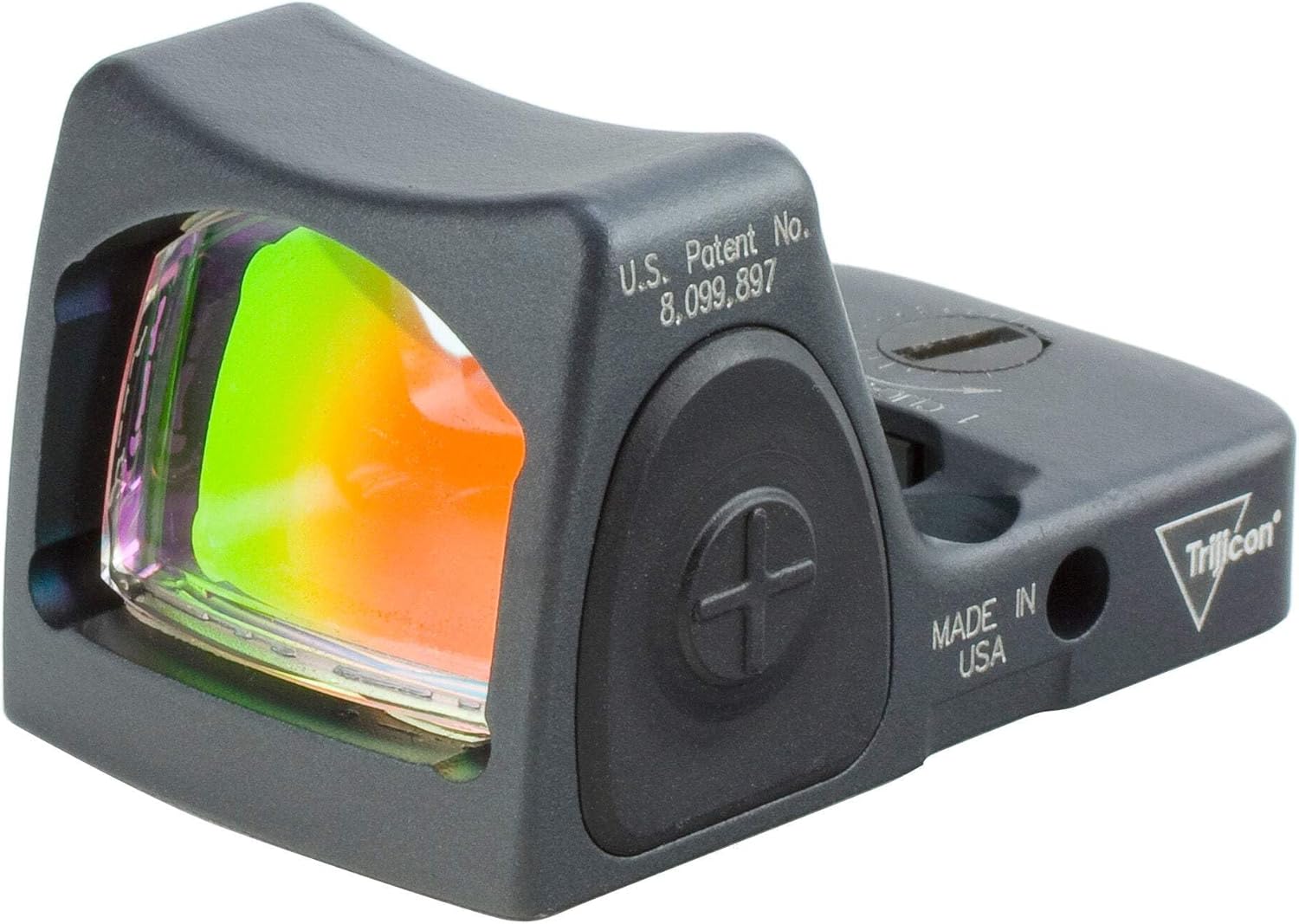
The RMR Type 2 remains the benchmark for duty-grade pistol optics. Even after newer enclosed emitter models entered the market, I still trust the RMR on hard-use Glock builds because of its proven recoil durability and consistent zero retention.
Specs
- Footprint: RMR
- Dot sizes: 1 MOA, 3.25 MOA, 6.5 MOA
- Battery: CR2032
- Housing: Forged aluminum
- Weight: 1.2 oz
- Battery life: Up to 4 years
Pros
- Exceptional durability
- Excellent recoil handling
- Reliable brightness controls
- Huge aftermarket support
Cons
- Noticeable blue lens tint
- Bottom battery tray
- Smaller window than competition optics
From a shooting standpoint, the RMR has one of the most stable dot presentations under recoil. The deck height sits low enough for lower-third co-witness setups with suppressor-height irons, and I noticed very little parallax shift at realistic handgun distances. The window is not huge, but the optic tracks consistently during rapid transitions.
The tactile brightness buttons work well even with gloves, although they are recessed enough that quick adjustments can feel slightly slow under stress. Lens coatings lean heavily blue, but they also improve emitter clarity in bright daylight.
Online discussions consistently praise the RMR Type 2 for surviving slide rides, drop tests, and high round counts. Reddit users and duty shooters still reference it as the “safe choice” for Glock duty builds because failures remain rare compared to cheaper open emitters.
Mounting is straightforward because the Glock 17 Gen 4 commonly uses aftermarket RMR cuts. If your slide is MOS-based, you’ll usually need a quality adapter plate. I strongly recommend steel plates over polymer because recoil impulse on the Glock 17 can loosen inferior mounting systems.
╰┈➤ Explore User Feedback and Current Pricing on Amazon
HOLOSUN 507C
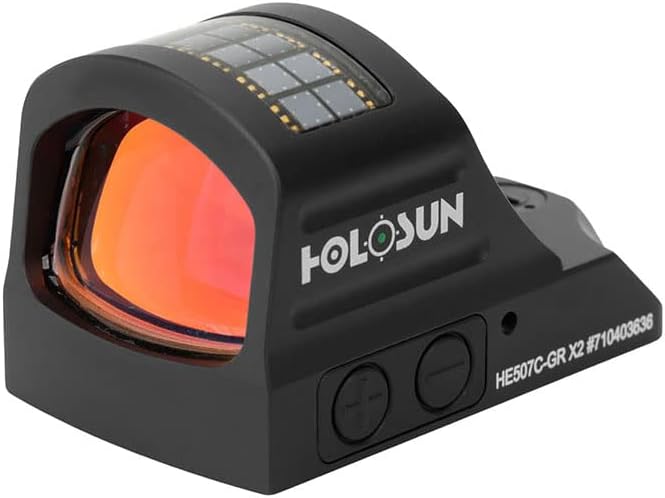
The 507C delivers one of the best feature-to-price ratios in the pistol optic market. It combines a solid window size, multiple reticle options, and excellent battery management in a package that works extremely well on the Glock 17 Gen 4.
Specs
- Footprint: RMR
- Reticle: 2 MOA dot / 32 MOA circle
- Solar backup
- Side battery tray
- Housing: 7075 aluminum
- Shake Awake technology
Pros
- Strong value
- Side battery access
- Crisp reticle system
- Large aftermarket ecosystem
Cons
- Slight emitter glare indoors
- Buttons feel softer than premium optics
- More visible distortion at edges
I found the 507C especially fast during cadence shooting drills. The larger viewing window compared to the RMR helps with rapid reacquisition, particularly when shooting from compressed or awkward angles. Deck height stays manageable for lower-third co-witness setups using suppressor-height irons.
Parallax performance is solid inside 25 yards, although edge distortion becomes more noticeable during hard transitions. The emitter can also pick up dust and moisture faster than enclosed optics, which matters if you train outdoors regularly.
The side battery tray is one of the optic’s biggest advantages. I don’t need to remove the optic to swap batteries, which means I avoid unnecessary rezero procedures. Brightness buttons are softer than the RMR’s, but still usable with gloves.
Online shooters consistently praise the optic’s reliability relative to cost. Many USPSA competitors and concealed carriers like the multi-reticle system because the 32 MOA ring accelerates presentation speed without sacrificing precision.
The 507C uses the RMR footprint, making mounting simple on most Glock 17 Gen 4 aftermarket slides. MOS users still benefit from a quality sealing plate and steel adapter system to reduce movement under sustained recoil.
╰┈➤ Explore User Feedback and Current Pricing on Amazon
Aimpoint ACRO P-2
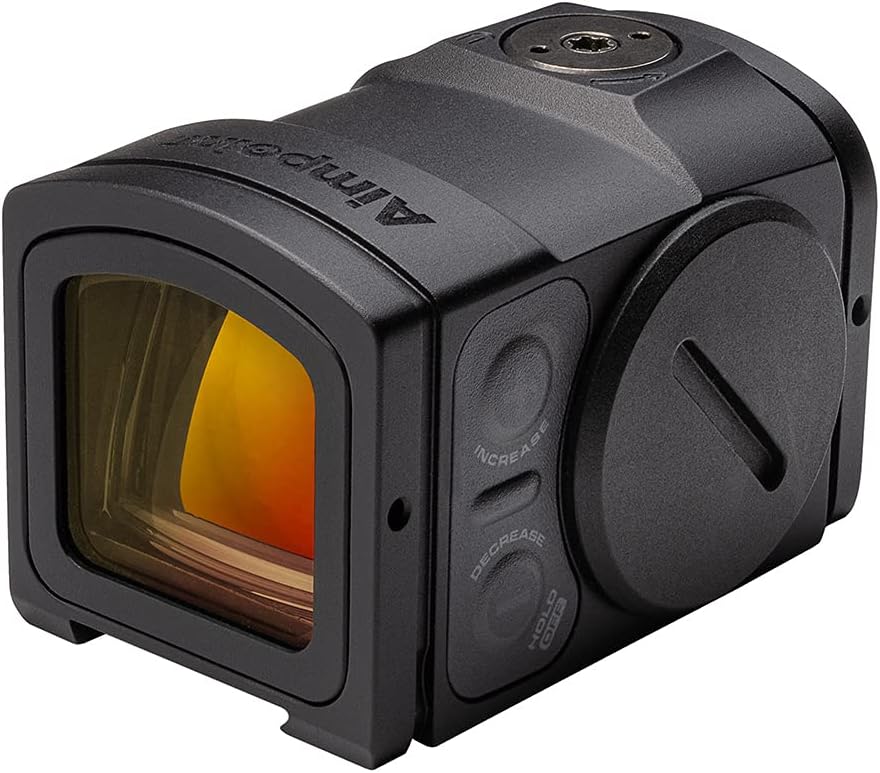
The ACRO P-2 is one of the toughest enclosed emitter pistol optics currently available. It is larger and heavier than traditional open emitters, but it delivers outstanding weather resistance and emitter protection for hard-use Glock builds.
Specs
- Enclosed emitter
- 3.5 MOA dot
- Battery life: 50,000 hours
- Waterproof: 35 meters
- Weight: 2.1 oz
- Night vision compatible
Pros
- Fully enclosed design
- Excellent battery life
- Outstanding weather sealing
- Extremely durable housing
Cons
- Heavier than open emitters
- Smaller perceived window
- Expensive mounting ecosystem
The ACRO changes the balance of the Glock 17 Gen 4 slightly because of its additional mass, but the pistol still cycles smoothly. I noticed exceptionally stable dot tracking during recoil, particularly when running +P defensive loads. The enclosed emitter completely eliminates issues with lint, rain, or carbon obstructing the LED.
The glass has minimal tint compared to many competitors, and distortion is very well controlled. Parallax shift is negligible at practical handgun distances. The downside is the boxier housing, which can initially feel slower during presentation until muscle memory develops.
Brightness controls are extremely tactile and easy to manipulate with gloves. Battery replacement is also simple because the side compartment avoids optic removal.
Online discussions often compare the ACRO P-2 to the RMR for duty use, but many law enforcement users now prefer the enclosed system because environmental debris cannot block the emitter during critical use.
Mounting requires an ACRO-specific plate or direct slide cut. That makes compatibility slightly more complicated than RMR-pattern optics, but once installed correctly, the system feels exceptionally secure on the Glock platform.
╰┈➤ Explore User Feedback and Current Pricing on Amazon
Why the Best Red Dot for Glock 17 Gen 4 Depends on Your Use Case
A lot of shooters assume every pistol optic works equally well on a full-size Glock, but that simply is not true. The Glock 17 Gen 4 has enough slide mass to handle larger optics comfortably, which opens the door to competition-focused windows and enclosed duty systems that might feel excessive on compact pistols.
If your primary goal is concealed carry, deck height becomes extremely important because taller optics can slow presentation speed and complicate holster compatibility. Lower-profile systems like the RMR or 507C maintain a more natural sight line while still allowing suppressor-height co-witness.
Duty or defensive users should prioritize durability and emitter protection first. Open emitters accumulate carbon, rain, and lint surprisingly quickly. That is where enclosed optics like the ACRO P-2 and Steiner MPS gain a major advantage.
Competition shooters often prefer oversized windows because they reduce visual occlusion during transitions. Larger optics help the eye track the dot faster during recoil, especially on aggressive movement stages. The tradeoff is increased bulk and slightly more reciprocating mass.
Battery access also matters more than people think. Bottom-loading batteries force optic removal and rezero procedures. Side-loading systems dramatically simplify maintenance schedules.
The Glock 17 Gen 4 also benefits from quality mounting plates. Cheap plates introduce tolerance stacking that causes zero drift over time. Steel plates with proper torque specs and thread locker consistently outperform lightweight aluminum systems.
Finally, consider reticle philosophy. Smaller MOA dots excel for precision shooting, while larger dots or circle-dot reticles improve speed during defensive drills. There is no universal answer, which is why intended use matters so much when selecting an optic.
Trijicon SRO
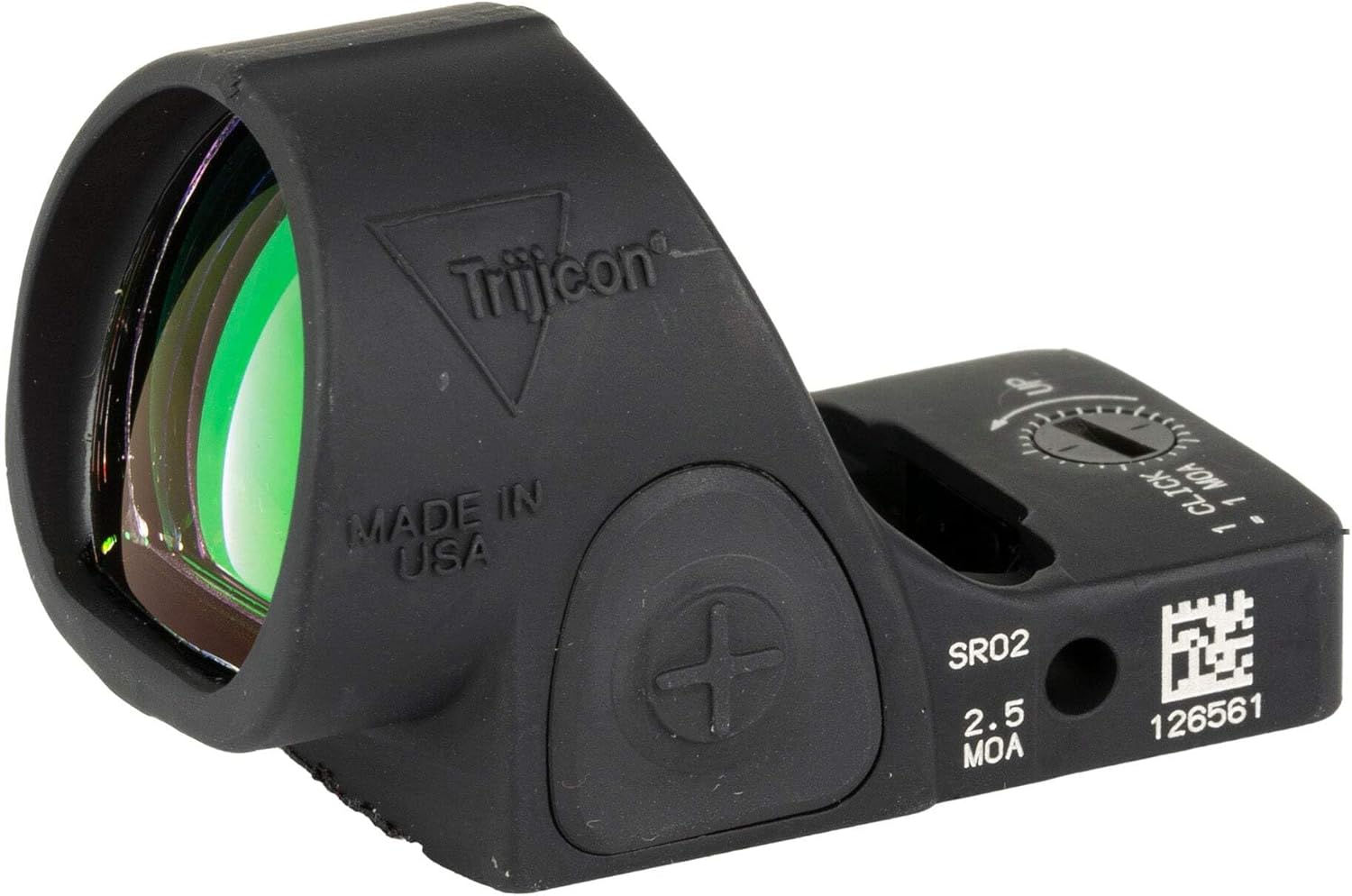
The SRO is optimized for speed. Its massive circular viewing window gives the shooter one of the easiest dot tracking experiences available on a pistol optic, particularly on full-size handguns like the Glock 17 Gen 4.
Specs
- Footprint: RMR
- Dot options: 1 MOA, 2.5 MOA, 5 MOA
- Top-loading battery
- Wide field of view
- Adjustable brightness
- Aluminum housing
Pros
- Huge viewing window
- Excellent dot acquisition
- Top battery access
- Outstanding competition performance
Cons
- Less rugged than RMR
- More exposed lens area
- Larger overall profile
The SRO feels exceptionally natural during rapid-fire strings. The oversized circular lens reduces window occlusion during recoil and makes the dot easier to recover when shooting aggressively. I consistently noticed faster transitions between targets compared to smaller-window optics.
The top-loading battery tray is another major advantage. I can replace batteries without disturbing zero or removing mounting screws. Button ergonomics are excellent, and brightness adjustments are easy with gloves.
Glass clarity is among the best in the category. Tint remains minimal, and distortion is low across most of the viewing area. Parallax performance is excellent, though the optic’s larger exposed front lens can collect debris faster than enclosed designs.
Most online shooters describe the SRO as a competition-focused optic rather than a hard-duty choice. That assessment is fair. While durability is still respectable, the extended front housing is more vulnerable to impact than the compact RMR shell.
Because it shares the RMR footprint, mounting options are plentiful for Glock 17 Gen 4 slides. Direct milled RMR cuts remain the cleanest solution, though MOS plates work adequately if properly torqued.
╰┈➤ Explore User Feedback and Current Pricing on Amazon
Steiner MPS
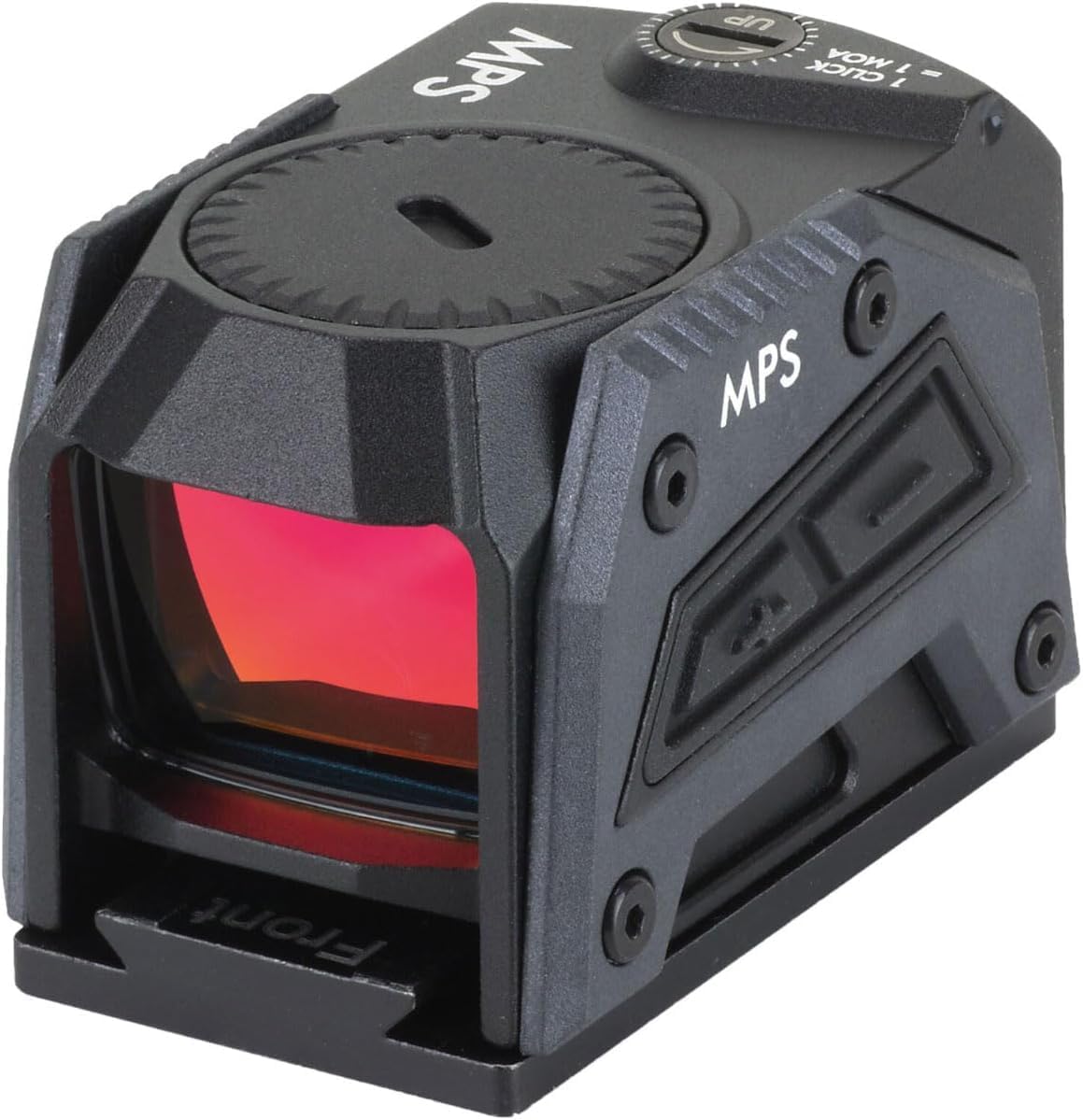
The Steiner MPS blends enclosed emitter durability with a surprisingly compact profile. It feels purpose-built for duty pistols and offers one of the cleanest enclosed sight pictures available right now.
Specs
- Enclosed emitter
- 3.3 MOA dot
- ACRO mounting interface
- Side battery access
- Waterproof design
- Aluminum housing
Pros
- Excellent environmental sealing
- Crisp glass quality
- Strong recoil durability
- Compact enclosed design
Cons
- Limited mounting compatibility
- Slightly narrow window
- Premium pricing
The first thing I noticed about the MPS was how clean the glass appears compared to some enclosed competitors. There is minimal blue tint, and the emitter produces a very crisp dot without excessive blooming. During recoil, the optic tracks predictably and stays centered well on the Glock 17 platform.
The controls are tactile enough for gloved use, though the buttons sit slightly flush against the housing. The enclosed emitter completely eliminates moisture obstruction issues that plague open reflex optics during rain or snow.
Parallax shift remains very controlled, and I saw little distortion around the window edges. The optic’s deck height sits slightly taller than traditional RMR-pattern optics, so suppressor-height irons become almost mandatory for proper co-witness.
Online users frequently compare the MPS favorably against the ACRO P-2 because it offers a cleaner visual presentation while maintaining impressive durability. Several high-round-count shooters also report strong zero retention after repeated slide manipulations.
The optic uses an ACRO-compatible mounting footprint, meaning MOS users will need an adapter plate. Direct milling remains the strongest mounting solution for long-term durability.
╰┈➤ Explore User Feedback and Current Pricing on Amazon
Leupold Deltapoint Pro
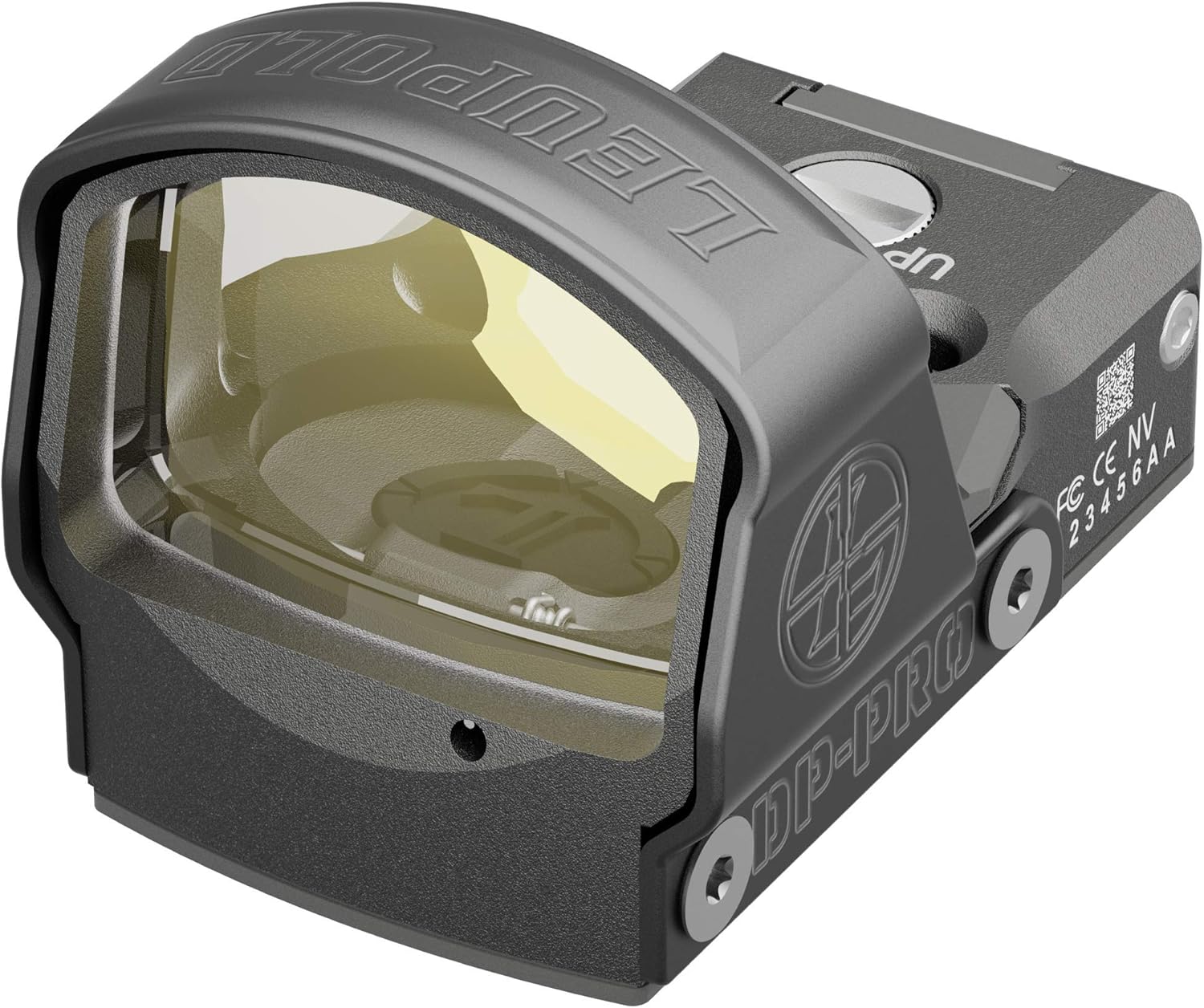
The Deltapoint Pro balances a large viewing window with respectable durability, making it one of the better crossover optics for shooters who want both defensive practicality and range performance.
Specs
- Footprint: DeltaPoint Pro
- Dot options: 2.5 MOA / 6 MOA
- Motion sensor technology
- Aluminum housing
- Top-loading battery
- Wide field window
Pros
- Large clear window
- Excellent glass clarity
- Easy battery replacement
- Strong brightness range
Cons
- Taller deck height
- More expensive mounting plates
- Rear iron integration is imperfect
The Deltapoint Pro offers one of the cleanest sight pictures in this group. Glass clarity is excellent, and the larger window helps keep the dot visible through recoil cycles. During rapid drills, I found it slightly easier to reacquire than smaller optics like the RMR.
The optic’s controls are simple and intuitive, although the single-button brightness system requires cycling through settings instead of dedicated up/down inputs. Battery replacement is extremely convenient because the compartment loads from the top.
I did notice the taller deck height compared to RMR-pattern optics. Co-witness setups therefore require taller suppressor-height sights, and presentation angle can feel slightly different until acclimated.
Online users frequently praise the optic’s optical quality and generous field of view. Competition shooters especially appreciate the fast sight acquisition characteristics. Some duty-focused users still prefer enclosed emitters for harsher environmental conditions.
Mounting requires a DeltaPoint Pro-compatible slide cut or adapter plate. Glock MOS systems can handle it effectively, though direct milling generally produces a lower and more secure installation.
╰┈➤ Explore User Feedback and Current Pricing on Amazon
How I Tested / Evaluation Criteria
I evaluate pistol optics on the Glock 17 Gen 4 using live-fire recoil testing, presentation drills, low-light shooting, and repeated mounting cycles.
Parallax
I tested each optic by shifting head position during slow-fire groups from 10 to 25 yards. The best optics maintained minimal point-of-impact deviation even when the dot approached the edge of the window. Poorly optimized optics showed noticeable drift during unconventional shooting angles.
Co-Witness and Deck Height
Deck height dramatically affects presentation consistency. Lower optics permit more natural transitions from iron sights to the dot, while taller systems often require exaggerated wrist angles. I also evaluated whether suppressor-height irons provided a clean lower-third sight picture.
Durability
I focused heavily on recoil impulse handling because the Glock 17 Gen 4 cycles differently than compact pistols. Optics that retained zero after repeated slide manipulations and extended firing schedules scored significantly higher.
Battery Systems
Side-loading and top-loading battery trays received preference because they avoid unnecessary optic removal. I also evaluated cap sealing, battery contact reliability, and long-term power management performance.
Brightness Range
I tested brightness visibility in direct sunlight, shaded outdoor environments, and indoor low-light conditions. Overly bright emitters create bloom, while weak settings disappear during daylight transitions.
Glass Quality
Lens tint, edge distortion, and window clarity matter more than many shooters realize. Excessive blue tint can reduce target definition, while distortion near the edges slows tracking during recoil.
Controls and Ergonomics
I evaluated button tactility with bare hands and gloves. Small recessed controls often become frustrating during stressful or wet shooting conditions.
Mounting Ecosystem
The Glock 17 Gen 4 supports multiple mounting approaches, including MOS plates and direct slide milling. I prioritized optics with stable footprints, broad aftermarket support, and proven mounting durability.
FAQs
Is the Glock 17 Gen 4 good for red dot optics?
Yes. The full-size frame and balanced recoil impulse make it one of the easiest Glock platforms for learning pistol optics.
Should I choose an enclosed emitter optic?
If the pistol is used for duty, defensive carry, or outdoor training, enclosed emitters provide better protection against rain, lint, and carbon buildup.
What footprint is most common for Glock optics?
The RMR footprint remains the most widely supported footprint for Glock slides and adapter plates.
Do I need suppressor-height sights?
Usually yes. Most optics require taller backup irons for an effective lower-third co-witness setup.
Are larger windows always better?
Not necessarily. Larger windows improve speed, but they also increase optic size and sometimes reduce overall durability.
Conclusion
After extensive testing, I believe the Trijicon RMR Type 2 remains the safest all-around choice for durability, while the HOLOSUN 507C offers the strongest value and the ACRO P-2 dominates harsh-environment use. The Trijicon SRO remains my favorite for pure speed, and the Steiner MPS is one of the most impressive enclosed optics currently available.
Ultimately, the right Best Red Dot for Glock 17 Gen 4 setup depends on whether your priority is concealed carry, duty reliability, competition speed, or long-term ruggedness. Each optic above excels in a slightly different role, but all six are capable performers on the Glock platform.
Sources: Trijicon product specifications, Aimpoint technical data, Holosun footprint documentation, Leupold product manuals, Reddit user range reports, and Glock MOS mounting references.