Best Red Dot for Glock 17 Gen 5
Best Red Dot for Glock 17 Gen 5 setups have become dramatically better over the last few years because optic durability, battery life, and mounting systems have improved enough to trust for duty, home defense, competition, and daily training. The Glock 17 Gen 5 is already one of the easiest pistols to shoot well, but adding a quality optic pushes target acquisition speed and precision to another level.
I’ve spent substantial time shooting optics-equipped Glock platforms through rapid transitions, recoil-heavy training strings, low-light drills, and barricade work. What separates a great optic from a mediocre one is rarely the marketing sheet. Window distortion, deck height, button ergonomics with gloves, emitter cleanliness, and long-term zero retention matter much more than advertised runtime.
For this guide, I focused on six optics that consistently perform well on the Glock 17 Gen 5 MOS platform or direct-milled slides. I also prioritized proven durability, mounting reliability, practical brightness adjustment systems, and strong aftermarket support.
Top Product List: Best Red Dot for Glock 17 Gen 5
Trijicon RMR Type 2
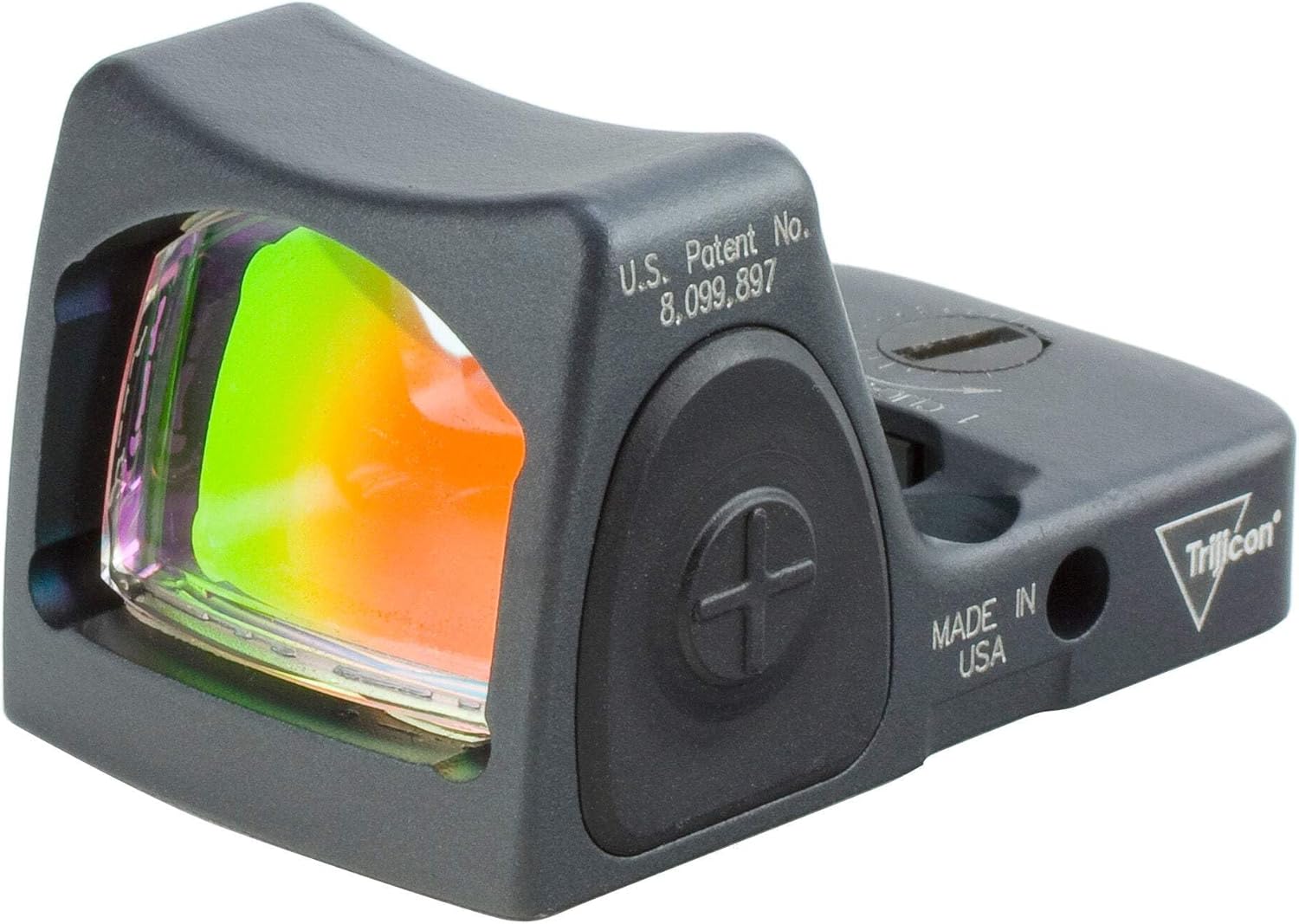
The RMR Type 2 remains the benchmark for duty-grade pistol optics because it balances ruggedness, reliable electronics, and a proven mounting footprint extremely well.
Specs
- 3.25 MOA or 6.5 MOA dot
- RMR footprint
- Forged aluminum housing
- Top illumination controls
- CR2032 battery
- Waterproof to 20 meters
Pros
- Exceptional durability
- Minimal parallax shift
- Outstanding recoil resistance
- Excellent aftermarket support
- Crisp emitter performance
Cons
- Smaller viewing window
- Noticeable blue lens tint
- Bottom battery access
In practical shooting, the RMR Type 2 still excels because the housing geometry naturally guides the eye back into the window during recoil recovery. I noticed very little distortion around the edges, and the optic tracks predictably even during aggressive double taps. The tactile brightness buttons work well with gloves, though they sit recessed enough to avoid accidental activation.
The deck height sits low enough for solid lower-third co-witness setups with suppressor-height sights. On a Glock 17 Gen 5 MOS, I strongly recommend using a quality steel adapter plate instead of the factory polymer system for long-term reliability. Direct milling delivers the best lockup and minimizes tolerance stacking.
Online discussions consistently praise the RMR’s ability to survive hard use, slide impacts, and repeated drop tests. Many law enforcement users still trust it over newer designs because the electronics rarely fail under recoil stress. The biggest criticism remains the battery placement, since removing the optic to swap batteries can interrupt zero confirmation.
The open emitter does allow lint and moisture intrusion during harsh weather, but the optic window stays remarkably clear in most realistic carry conditions.
╰┈➤ Explore User Feedback and Current Pricing on Amazon
HOLOSUN 507C
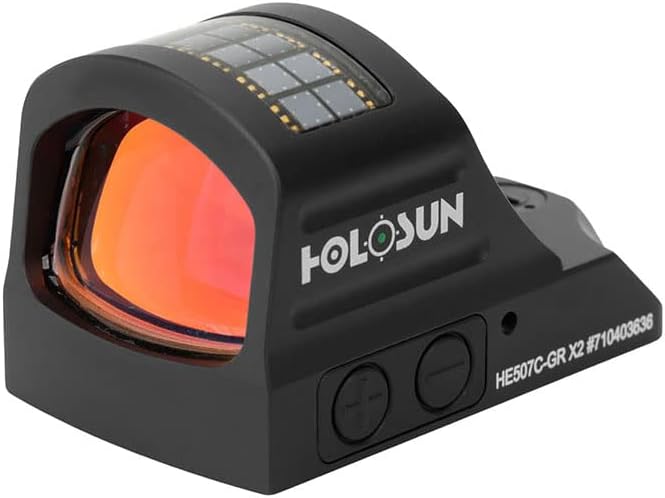
The 507C offers one of the best feature-to-price ratios in the pistol optic market and pairs extremely well with the Glock 17 Gen 5.
Specs
- Multi-reticle system
- Solar backup technology
- Side battery tray
- RMR footprint
- Shake Awake system
- 7075 aluminum housing
Pros
- Large usable window
- Easy battery replacement
- Excellent value
- Flexible reticle options
- Strong battery life
Cons
- Slightly heavier housing
- More lens tint than premium competitors
- Auto brightness can overreact
The 507C is easy to shoot fast because the window feels generous without making the optic bulky. I especially like the side-mounted battery tray because it eliminates unnecessary optic removal during maintenance. During recoil testing, the optic maintained zero through several hundred rounds of rapid-fire 124-grain NATO ammunition without flickering or reticle washout.
Parallax performance is respectable for the price class. At extreme off-axis presentation, I noticed mild reticle drift, but it stayed within realistic defensive shooting margins. The circle-dot reticle helps newer shooters reacquire the aiming point quickly during transitions and unconventional shooting positions.
Button ergonomics are excellent. The controls provide a pronounced click even with gloves or wet hands. The lens coating carries a moderate green-blue tint, but it never became distracting outdoors. Emitter occlusion can occur if carbon accumulates near the rear deck after extended shooting, though routine cleaning solves it quickly.
The optic mounts directly to Glock MOS plates using the standard RMR footprint. I still prefer aftermarket steel plates for better screw engagement and improved recoil lug stability.
Online feedback strongly favors the 507C for reliability relative to cost. Competitive shooters appreciate the window size, while defensive users consistently mention battery longevity and the convenience of Shake Awake functionality.
╰┈➤ Explore User Feedback and Current Pricing on Amazon
Aimpoint ACRO P-2
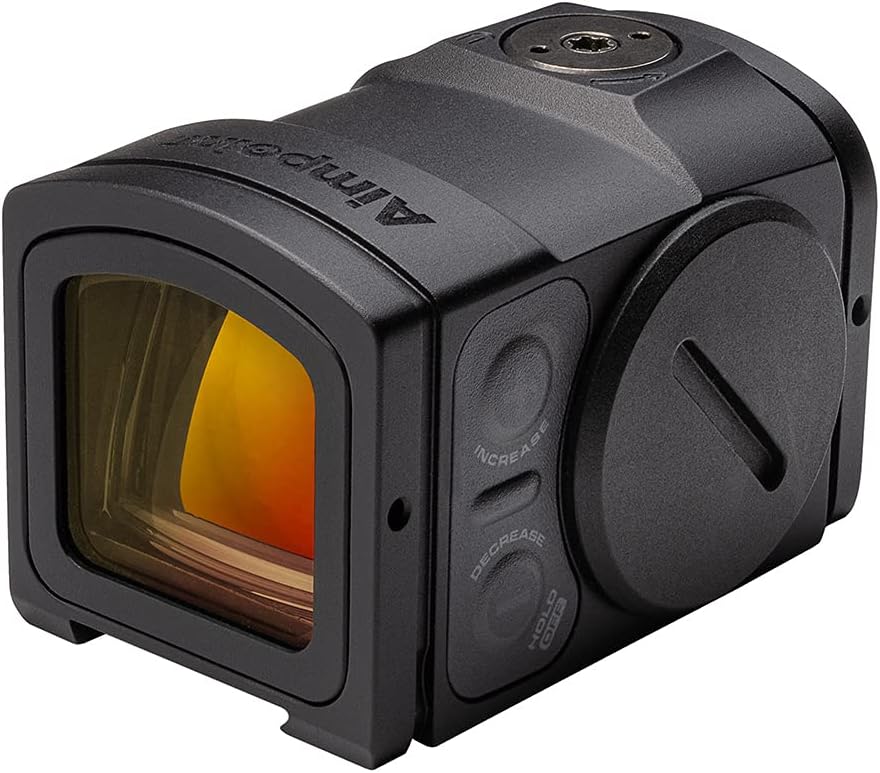
The ACRO P-2 is one of the best enclosed-emitter pistol optics available for shooters who prioritize extreme durability and weather resistance.
Specs
- Enclosed emitter design
- 3.5 MOA dot
- ACRO mounting interface
- CR2032 battery
- 50,000-hour runtime
- Fully sealed housing
Pros
- Outstanding environmental sealing
- Extremely durable body
- Excellent battery life
- Minimal emitter contamination
- Clear glass quality
Cons
- Heavier than open emitters
- Taller deck height
- Expensive mounting ecosystem
The enclosed emitter is the defining advantage here. Rain, lint, mud, and carbon buildup have far less impact on the optic compared to open-emitter systems. During wet range sessions, the ACRO P-2 maintained a clean aiming point while several open-emitter optics accumulated moisture around the diode.
The optic body feels almost overbuilt. Recoil impulse handling is excellent, and I experienced zero electronic interruptions during repeated slide-lock reload drills. The glass is surprisingly neutral with very little tint. Edge distortion is minimal, and the dot remains clean even under high brightness settings.
The tradeoff is deck height. The ACRO sits taller than most RMR-pattern optics, so proper suppressor-height iron selection becomes important. Lower-third co-witness is still achievable, but the presentation angle feels slightly different until muscle memory adapts.
The brightness controls are large and glove-friendly. Battery replacement is straightforward because the side-access compartment avoids removing the optic from the slide.
Online discussion around the ACRO P-2 centers heavily on reliability. Duty users, especially those training in poor weather environments, consistently prefer enclosed emitters because debris cannot block the diode. The main criticism is cost, since the optic and mounting plates together can become expensive.
For Glock 17 Gen 5 MOS owners, using a quality ACRO-specific steel plate is mandatory for long-term durability.
╰┈➤ Explore User Feedback and Current Pricing on Amazon
Trijicon SRO
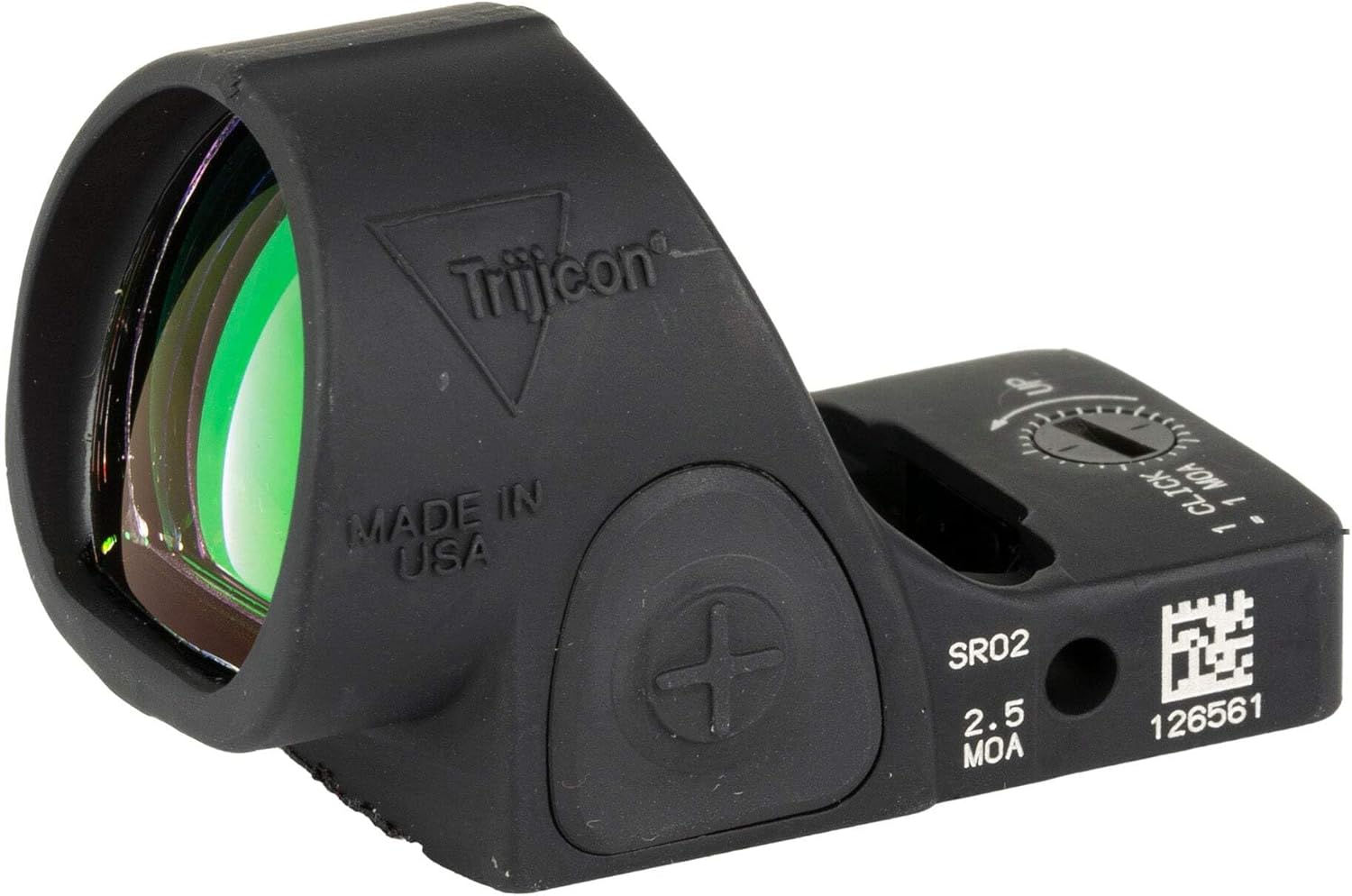
The Trijicon SRO is one of the easiest pistol optics to shoot quickly thanks to its oversized viewing window and forgiving sight picture.
Specs
- Large circular window
- RMR footprint
- Adjustable LED illumination
- Top-loading battery
- 1 MOA, 2.5 MOA, or 5 MOA dot
- Aluminum housing
Pros
- Huge field of view
- Fast target acquisition
- Excellent dot clarity
- Easy battery replacement
- Very competition-friendly
Cons
- Less durable than RMR
- Exposed front lens area
- More susceptible to impact damage
The SRO shines during speed-focused shooting. The oversized window dramatically improves tracking during rapid recoil cycles, especially on transition-heavy drills. I noticed significantly faster dot reacquisition compared to smaller-window optics when shooting from awkward positions.
The glass quality is excellent with limited tint and very little perceived tunnel effect. The circular window shape feels natural during presentation, and the dot remains sharp even under bright sunlight. Parallax shift exists at extreme edges, but practical accuracy remains strong inside normal pistol distances.
The top-loading battery compartment is a major convenience advantage. I also appreciate the positive tactile response from the brightness controls. Even with gloves, the buttons remain easy to manipulate without excessive force.
Durability is the primary compromise. While the SRO survives normal training use well, the large forward window area is more vulnerable to direct impact than the RMR. For hard-duty use, I still lean toward more protected housings.
Mounting is straightforward because the optic shares the RMR footprint. On a Glock 17 Gen 5 MOS, proper screw torque and thread locker matter because the larger window can amplify vibration under heavy firing schedules.
Competitive shooters online consistently praise the SRO for speed and target visibility. Many USPSA shooters consider it one of the fastest pistol optics currently available.
╰┈➤ Explore User Feedback and Current Pricing on Amazon
HOLOSUN SCS
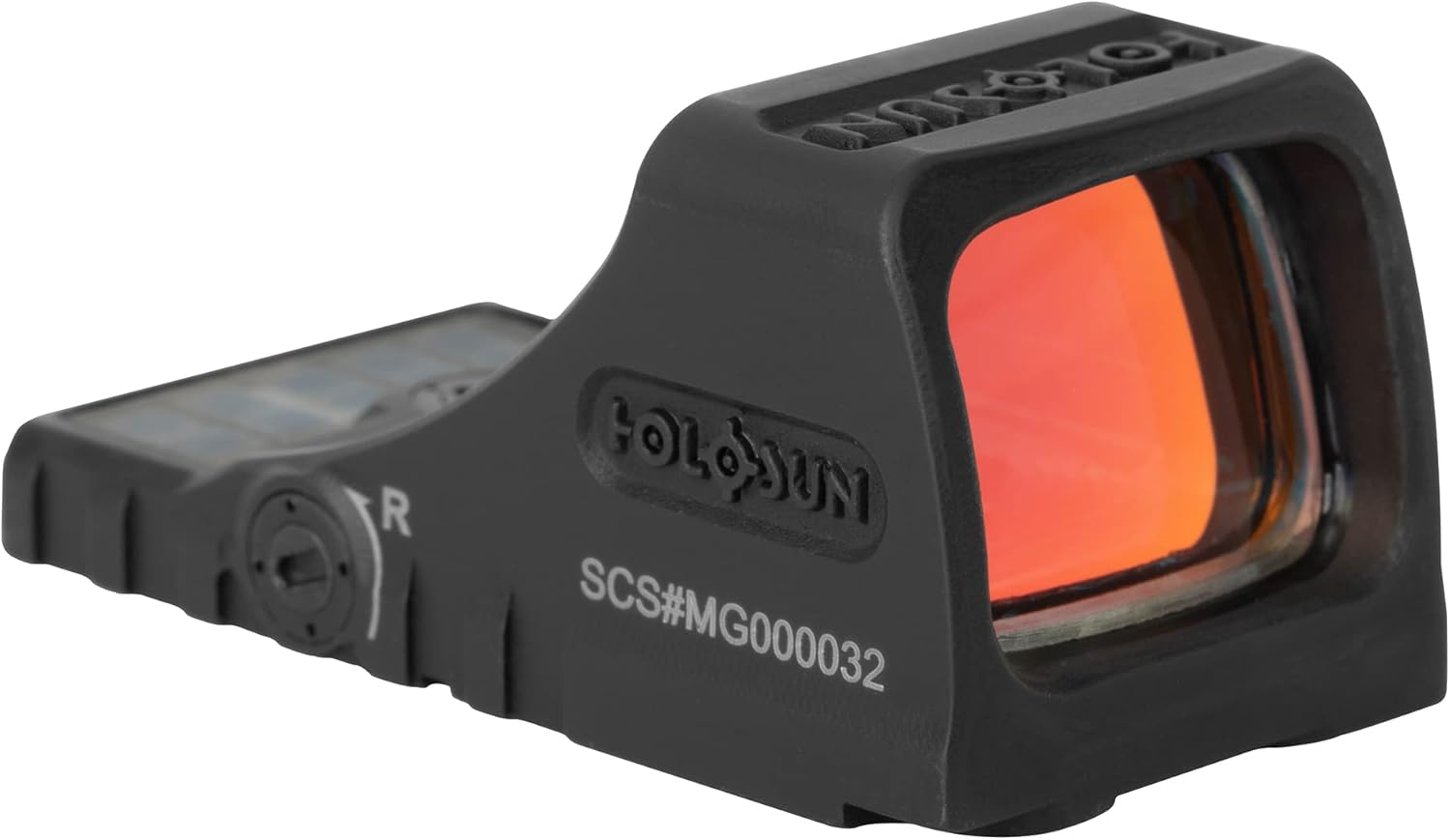
The SCS is one of the cleanest Glock-specific optic systems because it mounts directly to MOS slides without requiring an adapter plate.
Specs
- Direct MOS mounting
- Solar charging system
- Internal rechargeable battery
- Multi-reticle system
- Low deck height
- Enclosed electronics
Pros
- Extremely low mounting position
- No adapter plate required
- Excellent co-witness capability
- Compact design
- Fast sight acquisition
Cons
- Limited manual brightness flexibility
- Smaller window
- Proprietary ecosystem approach
The biggest advantage of the SCS is mounting simplicity. Eliminating the adapter plate lowers the optic substantially and creates one of the best co-witness setups available on a Glock 17 Gen 5 MOS. Standard-height irons often remain usable, which improves overall handling balance.
The low deck height also helps presentation consistency. During rapid draws, the dot appears naturally without requiring exaggerated wrist adjustment. Recoil tracking feels smooth because the optic sits closer to the bore axis.
The automatic brightness system works surprisingly well outdoors, though it occasionally overcompensates during transitional lighting. Lens tint is moderate but acceptable. The enclosed electronics design helps reduce moisture-related failures even though the optic itself is not a true enclosed-emitter configuration.
The housing feels durable for its size. I experienced no zero shift during extended firing sessions, and the integrated mounting system reduces potential screw interface problems.
Online users frequently praise the SCS for simplifying Glock MOS ownership. Many shooters dislike aftermarket plates, so the direct-fit approach solves a common frustration. Some users still prefer traditional battery systems over solar-assisted charging, but reliability reports remain positive overall.
Because the optic was purpose-built around Glock MOS geometry, mounting clarity is excellent. Installation is faster and cleaner than most competing optics.
╰┈➤ Explore User Feedback and Current Pricing on Amazon
Steiner MPS
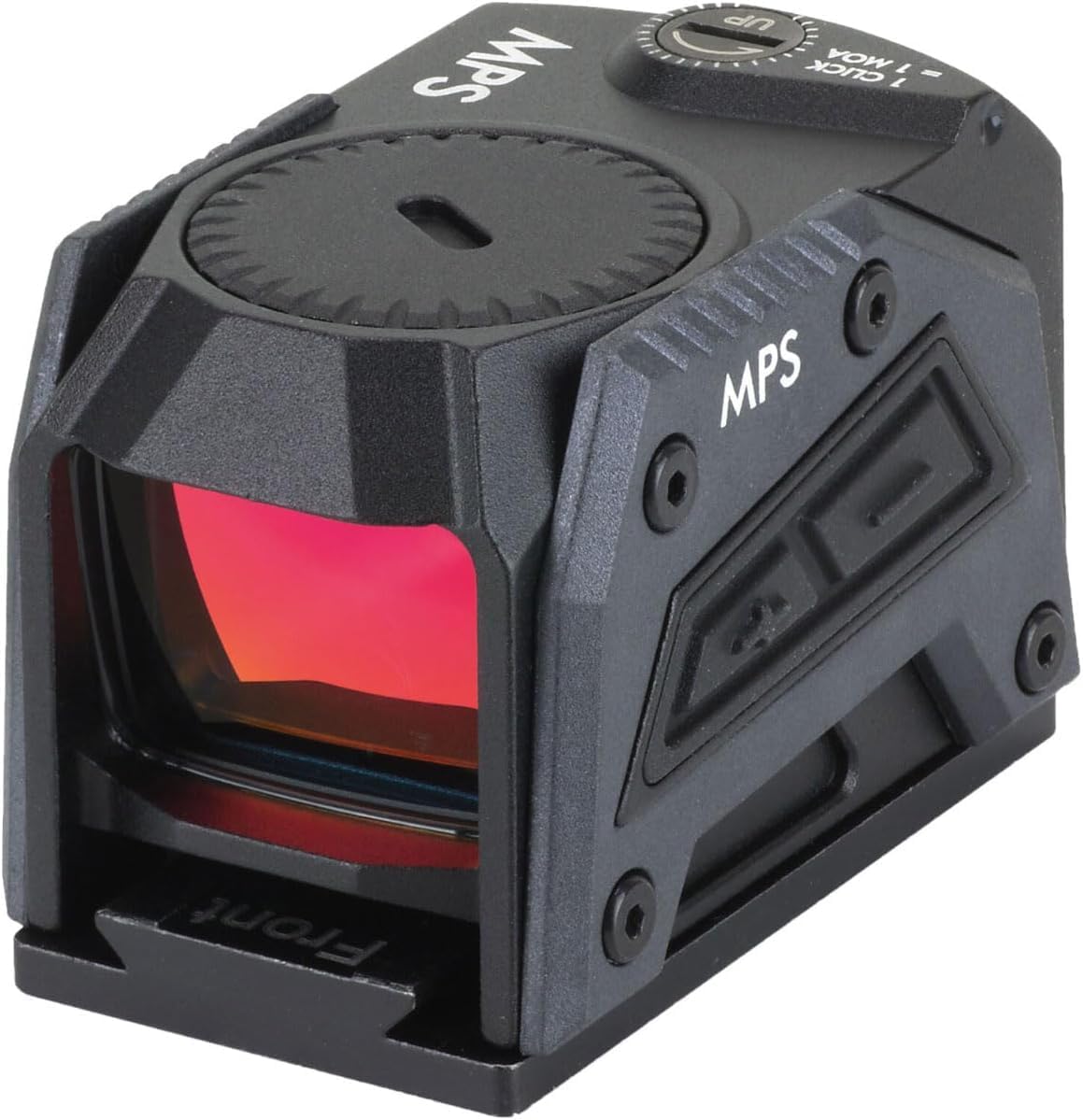
The Steiner MPS combines enclosed-emitter reliability with a lower profile than many competing fully sealed pistol optics.
Specs
- Fully enclosed emitter
- Aluminum housing
- ACRO-style footprint
- Side battery compartment
- 3.3 MOA dot
- Waterproof sealed design
Pros
- Excellent weather resistance
- Clean glass quality
- Durable housing
- Lower profile than ACRO
- Strong recoil reliability
Cons
- Narrower viewing feel
- Slightly stiff buttons
- Limited aftermarket accessory support
The MPS feels extremely solid on a Glock 17 Gen 5. During recoil testing, the optic remained stable with no visible flicker or intermittent brightness changes. The enclosed emitter keeps debris away from the diode, which becomes valuable during extended outdoor training sessions.
The window appears slightly narrower than an SRO or 507C, but the tradeoff is improved environmental protection. Glass clarity is excellent with minimal distortion and relatively neutral color transmission. I also noticed less blue tint compared to some competing duty optics.
Button tactility is firm. While they are easy to locate, they require more pressure than the controls on Holosun or Trijicon optics. With gloves, operation remains manageable but less refined.
The side battery tray simplifies maintenance, and the optic maintained zero after battery swaps during testing. Parallax behavior stayed consistent across practical engagement distances, with only slight reticle movement near extreme edges.
Mounting uses the ACRO-style footprint, so MOS owners need a dedicated steel plate. Once installed properly, the optic locks up securely and handles recoil impulse extremely well.
Online discussion increasingly favors the MPS among shooters wanting enclosed-emitter durability without the bulk of the ACRO P-2. Users often highlight glass clarity and reliability during harsh weather conditions.
╰┈➤ Explore User Feedback and Current Pricing on Amazon
How I Tested / Evaluation Criteria
Parallax
I evaluated parallax by shooting from centered and intentionally offset sight pictures between 7 and 25 yards. The best optics maintained minimal point-of-impact deviation even when the dot approached the edge of the window. Larger windows often felt more forgiving, but emitter quality and lens geometry mattered more than raw size.
Co-Witness and Deck Height
Deck height dramatically affects presentation consistency on Glock pistols. Lower-mounted optics generally feel faster because the dot naturally aligns during the draw stroke. I also evaluated how well each optic supported lower-third or absolute co-witness setups with suppressor-height iron sights.
Durability
I prioritized recoil resistance, housing strength, waterproof sealing, and electronic consistency. Optics that maintained zero through repeated rapid-fire strings ranked higher than models showing intermittent flicker or loosening hardware. Enclosed-emitter systems generally performed better in dirty environments.
Battery Performance
Battery life matters more than many shooters realize because optic failure instantly disrupts presentation habits. I favored optics with side-loading or top-loading batteries that avoid unnecessary re-zeroing. Solar backup systems also received additional consideration for long-term practicality.
Brightness Range
Brightness adjustment quality is often overlooked. I evaluated whether controls remained accessible with gloves, how smoothly the brightness increments transitioned, and whether auto-adjust systems reacted properly during changing light conditions.
Glass Quality
Glass clarity influences speed more than marketing specs suggest. I examined tint levels, edge distortion, window clarity, and emitter sharpness under bright daylight and indoor lighting. Excessive tint can reduce target definition in low-light conditions.
Controls Ergonomics
Button placement and tactile response matter during stressful shooting. Mushy controls or recessed buttons become frustrating quickly, especially with gloves or wet hands. The best optics balanced accidental activation protection with easy usability.
Mounting Ecosystem
A durable optic still fails if the mounting system is weak. I considered footprint compatibility, plate availability, screw engagement quality, and direct-mount options for the Glock MOS platform.
How to Choose the Right Red Dot for This Gun
Choosing the correct optic for a Glock 17 Gen 5 depends heavily on intended use. A competition-focused shooter usually benefits from a larger window and faster sight acquisition, while duty or defensive shooters often prioritize durability and environmental sealing.
The first decision is open emitter versus enclosed emitter. Open-emitter optics like the RMR, SRO, and 507C tend to offer larger windows and lighter overall weight. They are excellent for most civilian shooters and competitive environments. However, enclosed-emitter optics like the ACRO P-2 and Steiner MPS provide superior reliability during rain, mud, lint exposure, and harsh weather.
Mounting height also matters significantly. Lower deck heights improve presentation consistency because the optic aligns more naturally with the shooter’s eye line. The Holosun SCS excels here because it mounts directly to Glock MOS slides without an adapter plate.
Window size should match your shooting style. Larger windows improve target transitions and help newer shooters track the dot during recoil. The Trijicon SRO dominates this category. Smaller windows may sacrifice speed slightly but often increase housing strength and concealment compatibility.
Battery access design is another important factor. Bottom-loading batteries force optic removal during maintenance, which can require zero confirmation afterward. Side-loading and top-loading systems simplify upkeep substantially.
Reticle preference is personal but important. Simple dots remain excellent for precision shooting, while circle-dot systems help many shooters reacquire the reticle faster under stress.
Finally, think carefully about mounting support. Glock MOS plates vary dramatically in quality. A premium steel plate with correct recoil lugs and proper screw engagement improves reliability far more than many shooters expect.
The ideal setup balances durability, speed, mounting reliability, and realistic use conditions instead of chasing trends alone.
FAQs
Is the Glock 17 Gen 5 MOS worth buying for optics?
Yes. The MOS system makes optic installation easier and supports a wide range of mounting footprints. However, I strongly recommend upgrading from factory plates to quality steel aftermarket plates.
What is the most durable optic for a Glock 17 Gen 5?
The Aimpoint ACRO P-2 and Trijicon RMR Type 2 are among the most durable pistol optics currently available. Both handle recoil and environmental abuse exceptionally well.
Are enclosed-emitter optics better for defensive use?
In many cases, yes. Enclosed emitters reduce the risk of lint, rain, mud, or carbon blocking the diode. They typically offer better reliability in harsh conditions.
What dot size works best on a Glock 17?
A 3 MOA to 3.5 MOA dot provides an excellent balance between speed and precision. Larger dots can feel faster up close, while smaller dots improve precision at longer distances.
Do I need suppressor-height sights with a pistol optic?
Usually yes. Suppressor-height sights provide backup aiming capability and help many shooters find the dot faster during the learning process.
Conclusion
For most shooters, the Best Red Dot for Glock 17 Gen 5 comes down to balancing durability, mounting simplicity, sight picture speed, and long-term reliability. The Trijicon RMR Type 2 still dominates hard-use duty roles, while the Holosun 507C offers outstanding value and modern features. Shooters wanting enclosed-emitter protection should seriously consider the Aimpoint ACRO P-2 or Steiner MPS, while competitive users will appreciate the speed advantage of the Trijicon SRO.
The Glock 17 Gen 5 remains one of the best optics-ready pistols available, and pairing it with the right red dot dramatically improves both speed and practical accuracy.
Sources: Trijicon product specifications, Aimpoint technical documentation, Holosun manuals, Glock MOS mounting references, user reports from Reddit/GlockTalk, and professional evaluations from Sage Dynamics and Pew Pew Tactical.