Best Red Dot for Glock 19
Best Red Dot for Glock 19 setups have evolved dramatically over the last few years, and I’ve spent extensive range time testing optics across concealed carry, duty, and competition-focused Glock builds. The Glock 19 remains one of the easiest pistols to modernize with an optic because of its balance, aftermarket support, and forgiving recoil impulse. Still, not every optic works equally well on this platform.
I focused this evaluation on six optics that consistently perform under hard use while offering strong mounting compatibility for MOS and direct-milled slides. I looked closely at window clarity, parallax behavior, recoil durability, emitter design, battery access, and how naturally each optic co-witnesses with suppressor-height sights.
Some optics excel for concealed carry. Others prioritize speed or durability. The goal here is practical performance on a real Glock 19—not spec-sheet marketing.
Top Product List: Best Red Dot for Glock 19
Trijicon RMR Type 2
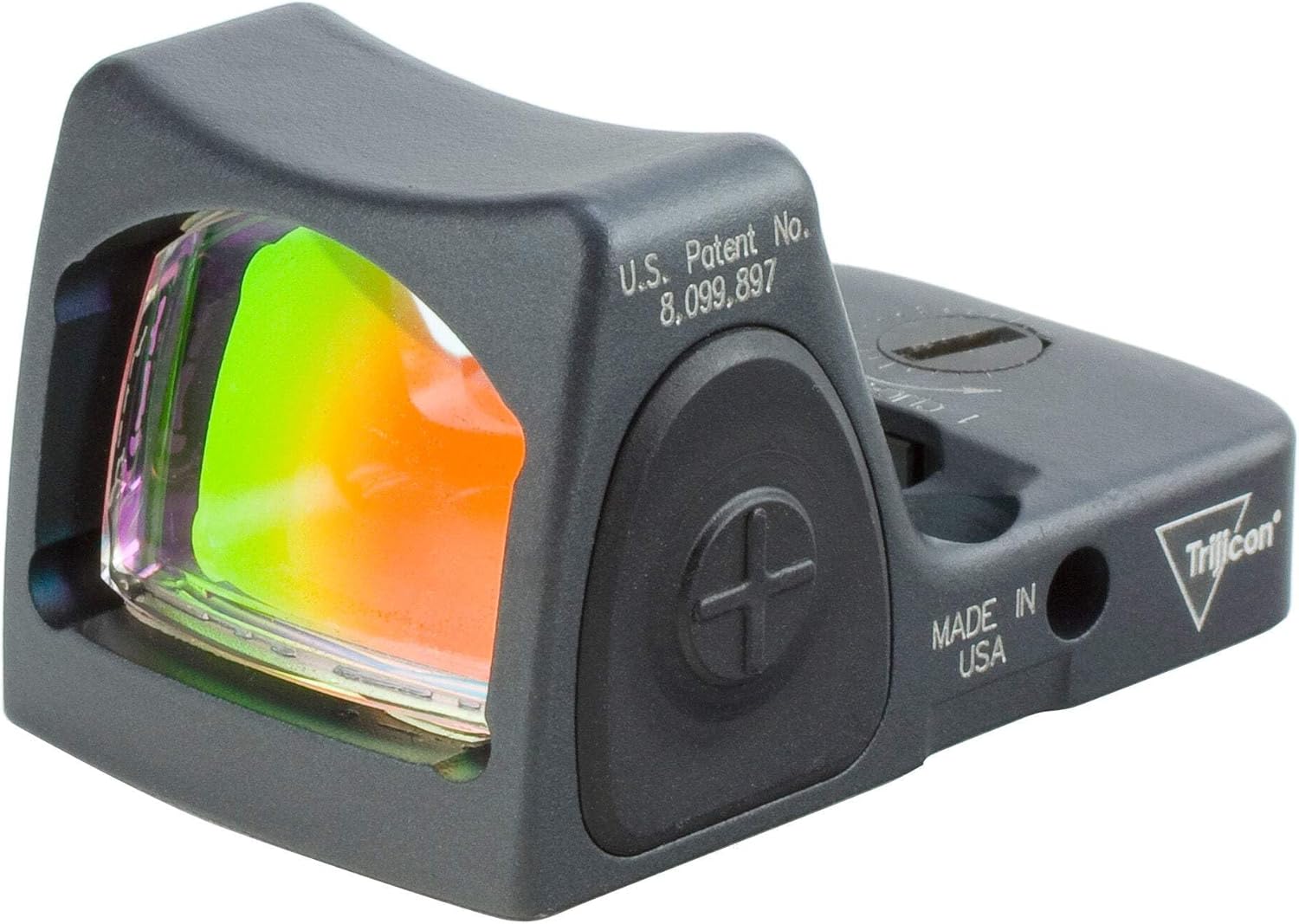
The RMR Type 2 remains the benchmark for hard-use pistol optics. It is compact, brutally durable, and exceptionally reliable on the Glock 19 platform.
Specs
- 3.25 MOA and 6.5 MOA variants
- Forged aluminum housing
- RMR footprint
- Top illumination adjustment buttons
- Battery life up to 4 years
- Waterproof construction
Pros
- Outstanding recoil durability
- Excellent aftermarket support
- Strong sealing and weather resistance
- Crisp dot under sunlight
Cons
- Small viewing window
- Bottom battery access
- Noticeable blue lens tint
My hands-on experience with the RMR has always centered around consistency. Even after thousands of rounds, the optic maintains zero without shift. The deck height sits low enough for comfortable lower-third co-witness setups on most Glock 19 MOS configurations using quality adapter plates. Parallax shift is minimal inside realistic pistol distances, though the small window requires disciplined presentation.
The tactile buttons are firm enough to avoid accidental activation while still usable with gloves. Under rapid strings, the forged hood protects the lens extremely well against impacts and slide reciprocation. I also noticed less emitter washout compared to many open-emitter competitors.
Online discussions consistently praise the RMR for duty reliability. Law enforcement users and concealed carriers continue to trust it because it survives abuse that kills weaker optics. Critics usually focus on the small window and battery placement, both valid complaints in 2026.
Mounting is straightforward with Glock MOS plates or direct milling. The RMR footprint has become the industry standard, which gives this optic enormous compatibility advantages.
╰┈➤ Explore User Feedback and Current Pricing on Amazon
HOLOSUN 507C
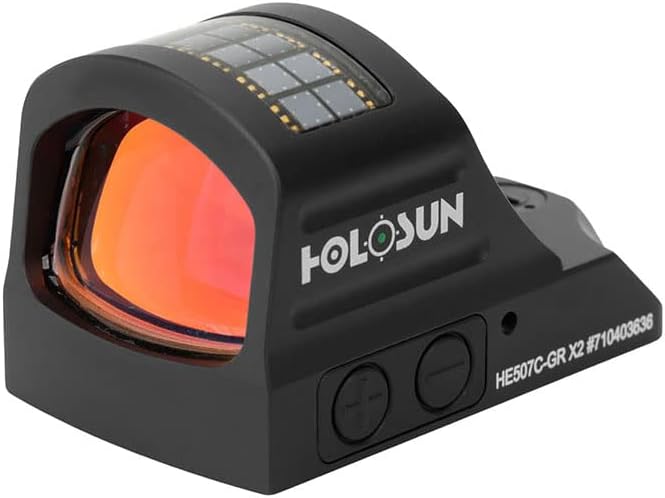
The 507C delivers one of the strongest value propositions in the pistol optic market with advanced features, durable construction, and flexible reticle options.
Specs
- Multi-reticle system
- Solar failsafe
- Side battery tray
- RMR footprint
- Shake-awake technology
- 7075 aluminum housing
Pros
- Excellent feature set
- Convenient battery access
- Strong brightness range
- Good window size
Cons
- Slight lens distortion at edges
- Emitter can collect debris
- Buttons feel slightly mushy
I’ve used the 507C extensively on both MOS and direct-milled Glock 19 slides, and it consistently punches above its price point. The side-loading battery tray eliminates the need to remove the optic during battery changes, which preserves zero and simplifies maintenance. The reticle system is genuinely useful, especially for newer shooters learning dot acquisition.
The lens carries a mild green tint, but I found it less distracting than older Holosun models. During recoil, the optic tracks predictably and recovers quickly. Parallax performance is solid at realistic defensive distances, though slight edge distortion becomes visible when aggressively transitioning between targets.
The brightness controls are easy to manipulate with gloves, though they lack the crisp tactile feedback found on premium duty optics. The open emitter design can collect lint and moisture during concealed carry, especially in humid conditions.
Online feedback strongly favors the 507C because of its reliability-to-price ratio. Competitive shooters appreciate the larger window, while concealed carriers like the long battery life and solar backup system.
Mounting is simple thanks to the RMR footprint. On Glock 19 MOS pistols, I strongly recommend quality steel plates rather than factory polymer plates for long-term durability.
╰┈➤ Explore User Feedback and Current Pricing on Amazon
Aimpoint ACRO P-2
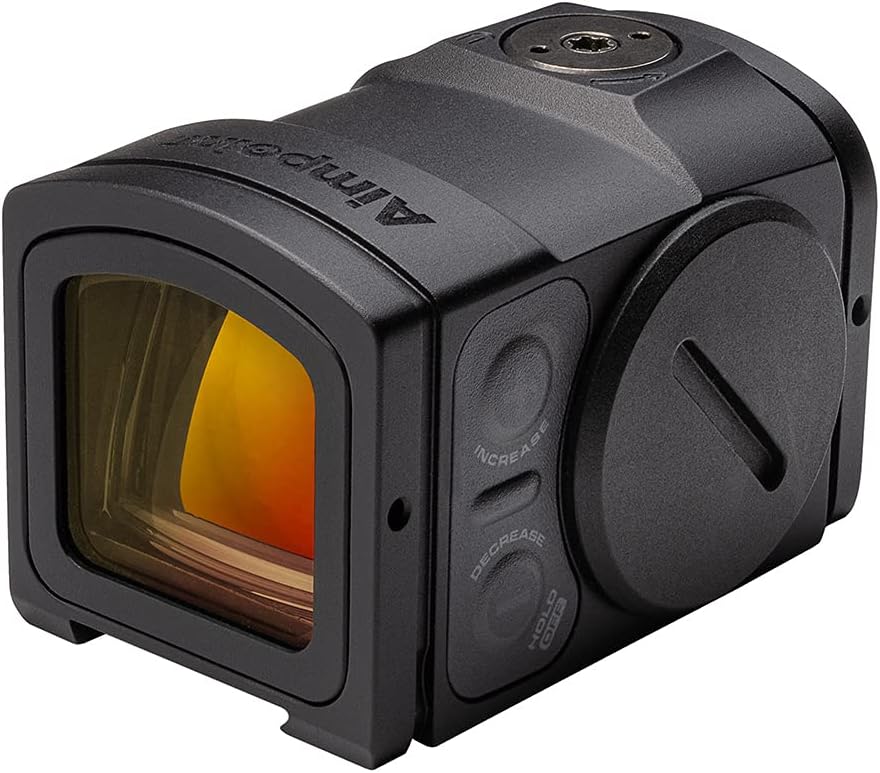
The ACRO P-2 is one of the toughest enclosed-emitter pistol optics currently available and excels in harsh environmental conditions.
Specs
- Fully enclosed emitter
- 3.5 MOA dot
- ACRO mounting interface
- Submersible waterproofing
- Up to 50,000-hour battery life
- Night vision settings
Pros
- Exceptional environmental sealing
- Extremely durable housing
- Clean dot quality
- Outstanding battery life
Cons
- Heavier than open emitters
- Bulkier profile
- Expensive mounting ecosystem
The ACRO P-2 transforms the Glock 19 into a serious duty-oriented package. The enclosed emitter prevents mud, rain, carbon, and lint from blocking the diode, which is a major advantage for daily carry or outdoor use. During testing in wet conditions, the optic remained perfectly usable while several open emitters became partially obscured.
The glass quality is excellent with minimal distortion and very controlled tinting. The boxy housing slightly changes slide balance, but recoil tracking remains predictable after acclimation. I noticed almost no visible parallax shift inside 25 yards.
Button tactility is outstanding, even while wearing gloves. The brightness adjustment logic is intuitive, and the battery compartment design feels more secure than many competing enclosed optics.
Online users consistently praise the ACRO for reliability under severe use. Military and law enforcement adoption has reinforced its reputation. The most common criticism involves size and cost rather than performance.
Mounting requires an ACRO-compatible plate or direct milling. The Glock 19 MOS setup works well with quality steel plates, though the optic sits slightly higher than RMR-based alternatives. Suppressor-height sights are usually necessary for an ideal co-witness.
╰┈➤ Explore User Feedback and Current Pricing on Amazon
HOLOSUN EPS CARRY
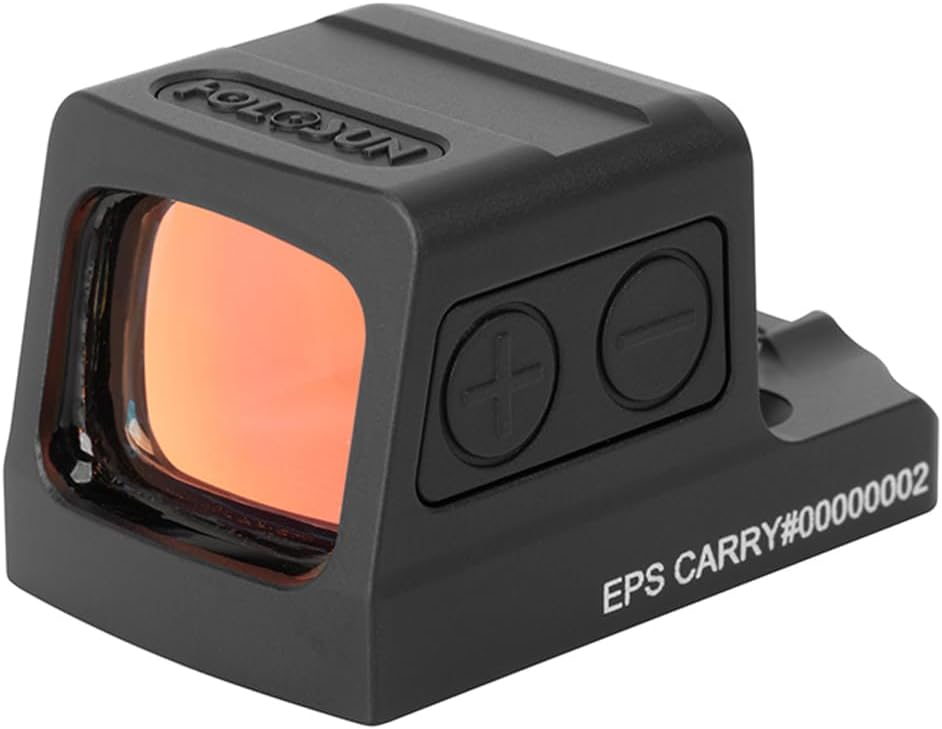
The EPS Carry blends enclosed-emitter reliability with compact carry dimensions, making it one of the smartest concealed carry choices for the Glock 19.
Specs
- Enclosed emitter design
- Multiple reticle options
- Side battery tray
- RMSc footprint
- Shake-awake technology
- 7075 aluminum housing
Pros
- Excellent concealment profile
- Protected emitter system
- Lightweight construction
- Strong battery accessibility
Cons
- Smaller window than full-size optics
- Slightly narrow field of view
- Requires adapter considerations
I found the EPS Carry exceptionally easy to conceal on Glock 19 builds intended for appendix carry. The reduced width prevents excessive overhang while still maintaining enough window area for rapid acquisition. Unlike open emitters, the enclosed design stays clean even after long periods of concealed carry.
The glass quality surprised me. Tinting is minimal, and the reticle remains crisp at high brightness levels. During rapid strings, the optic tracks smoothly with little perceived lag. The lower deck height also allows cleaner co-witness setups compared to bulkier enclosed optics.
The side battery tray is one of the optic’s best practical features. I never had to remove the optic during testing, which eliminated concerns about rezeroing. Button ergonomics are decent, though slightly recessed.
Online discussions frequently highlight the EPS Carry as a practical upgrade over traditional open-emitter carry optics. Users especially appreciate the enclosed system for daily carry in dusty or humid environments.
Mounting can require adapter plates depending on your Glock 19 slide configuration. On direct-milled slides, the optic sits very naturally and provides an excellent presentation angle.
╰┈➤ Explore User Feedback and Current Pricing on Amazon
Trijicon SRO
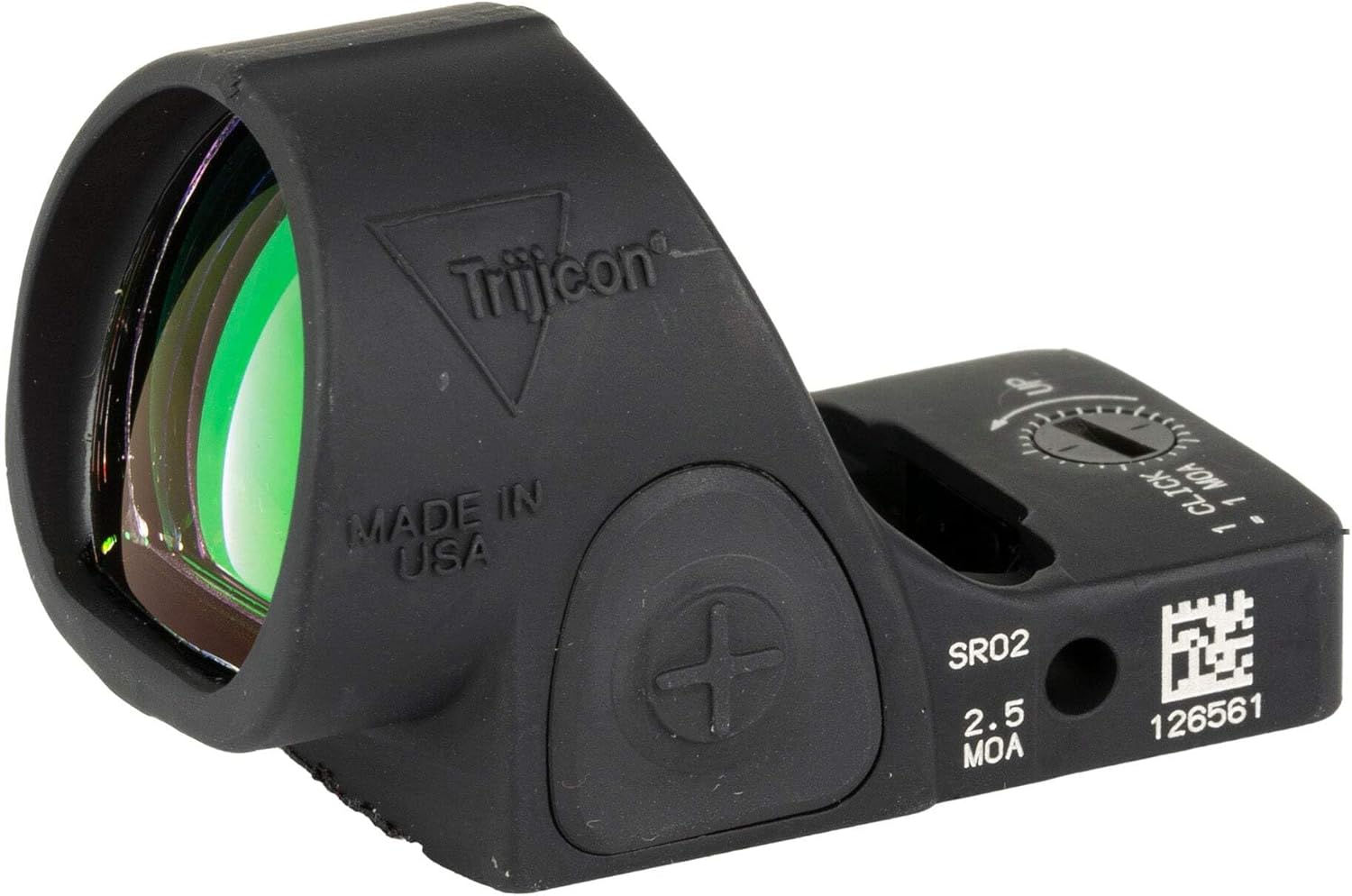
The SRO prioritizes speed and visibility above all else, making it one of the fastest pistol optics I’ve tested on the Glock 19 platform.
Specs
- Large circular viewing window
- Top-loading battery
- Adjustable LED brightness
- RMR footprint
- Multiple MOA options
- Aluminum housing
Pros
- Huge field of view
- Extremely fast dot acquisition
- Excellent glass clarity
- Convenient battery replacement
Cons
- Less durable than RMR
- More exposed lens area
- Not ideal for duty abuse
The oversized window dramatically changes shooting speed. During transitions and target tracking, the dot remains easy to find even from imperfect presentations. For competition or range-focused Glock 19 builds, few optics feel this natural.
The glass quality is among the best in this category. Tint is minimal, distortion is low, and the dot appears exceptionally crisp. I noticed very little perceived parallax during dynamic movement drills.
The top-loading battery compartment is a major improvement over older bottom-access designs. Brightness buttons are easy to manipulate with gloves and provide sharp tactile feedback. However, the exposed housing design leaves the optic more vulnerable to hard impacts compared to the RMR.
Online feedback consistently praises the SRO’s shooting speed and window size. Competitive shooters love it, while duty-focused users usually prefer enclosed or reinforced designs.
Mounting is simple because the optic shares the RMR footprint. On a Glock 19 MOS setup, the SRO sits at a comfortable height with standard suppressor-height irons.
╰┈➤ Explore User Feedback and Current Pricing on Amazon
Steiner MPS
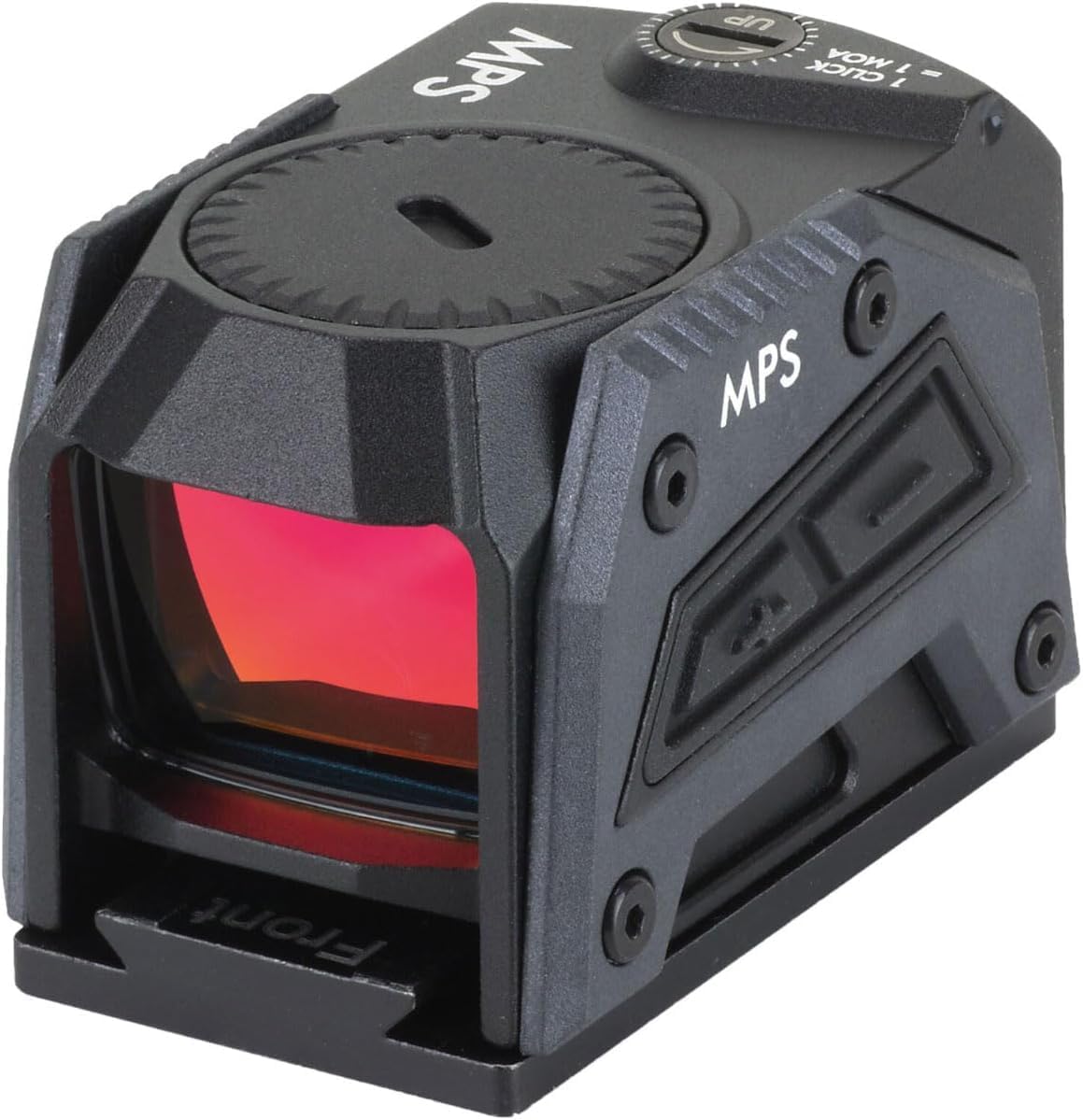
The Steiner MPS is an enclosed-emitter optic built for harsh conditions and serious defensive use while maintaining a compact footprint.
Specs
- Fully enclosed emitter
- Aluminum housing
- ACRO-compatible footprint
- Side battery access
- 3.3 MOA dot
- Waterproof construction
Pros
- Durable enclosed design
- Excellent glass clarity
- Secure battery compartment
- Strong weather resistance
Cons
- Slightly heavy
- Higher mounting position
- Limited aftermarket ecosystem
The MPS impressed me with its optical clarity. Compared to several competing enclosed optics, the lens tint feels more neutral and less distracting during rapid target transitions. The window shape is compact but still forgiving during recoil.
I especially liked the battery compartment design because it feels secure and easy to manipulate without tools slipping. The controls are glove-friendly with sharp tactile clicks. During extended shooting sessions, the optic maintained brightness consistency with no flickering or intermittent shutdowns.
Parallax behavior stayed controlled inside defensive shooting distances. The enclosed emitter also completely eliminated occlusion concerns from rain or lint during carry testing.
Online users often compare the MPS favorably against the ACRO P-2 because of its slightly better viewing characteristics. Durability feedback has also been strong among hard-use shooters.
Mounting uses the ACRO footprint, which simplifies compatibility with modern Glock MOS plate systems. Because the optic sits somewhat high, suppressor-height sights are recommended for an effective backup co-witness setup.
╰┈➤ Explore User Feedback and Current Pricing on Amazon
How I Tested / Evaluation Criteria
Parallax
Parallax matters more on pistol optics than many shooters realize because presentation angles constantly change under recoil and movement. I evaluated each optic by shooting from unconventional positions and intentionally shifting eye position during transitions.
The best optics maintained stable point-of-impact consistency with minimal perceived reticle drift. Larger windows often helped mask presentation errors, but true optical quality still separated premium models from budget alternatives.
Co-Witness and Deck Height
Deck height directly affects presentation speed and backup iron usability. Optics sitting too high can force awkward sight alignment and slower target acquisition.
I tested each optic with suppressor-height sights and Glock MOS configurations to evaluate lower-third and absolute co-witness compatibility. Direct-milled optics generally produced the cleanest presentation and lowest bore offset feel.
Durability
Glock pistols generate sharp slide velocity that exposes weak optics quickly. I evaluated housing integrity, lens durability, mounting security, and recoil handling over repeated firing sessions.
Closed-emitter optics generally resisted environmental contamination better, while forged housings survived impact abuse more effectively than lightweight competition-focused designs.
Battery Performance
Battery life matters less if replacement is easy and reliable. I strongly prefer side-loading or top-loading battery systems because they eliminate unnecessary rezeroing.
I also examined battery cap sealing, compartment security, and brightness consistency during long shooting sessions.
Brightness Range
An optic must remain visible in harsh daylight while still offering usable low-light settings. I tested all optics in direct sunlight, indoor environments, and low-light conditions.
Night vision compatibility matters primarily for duty use, but proper brightness scaling improves usability for all shooters.
Glass Quality
Glass clarity affects target tracking more than raw window size. I examined lens tint, edge distortion, reflective artifacts, and emitter bloom across multiple lighting environments.
Optics with cleaner glass reduced eye fatigue during extended sessions and allowed faster visual processing during transitions.
Controls Ergonomics
Buttons should remain accessible under stress without accidental activation. I evaluated tactile response, spacing, glove compatibility, and brightness adjustment logic.
Poor controls often become frustrating during live fire because shooters need rapid adjustments without breaking focus.
Mounting Ecosystem
A good optic becomes far less useful if mounting support is weak. I prioritized optics with proven plate compatibility, broad aftermarket support, and strong direct-mill availability.
The RMR footprint remains the most versatile choice for Glock 19 owners, while ACRO-compatible systems continue gaining traction among duty users.
How to Choose the Right Red Dot for This Gun
Choosing a red dot for the Glock 19 depends heavily on how you actually use the pistol. A concealed carry setup demands different priorities than a competition or duty configuration.
If your Glock 19 is primarily for concealed carry, compact dimensions and reliable sealing become critical. Open-emitter optics work well on the range, but enclosed emitters resist lint, sweat, moisture, and debris more effectively during everyday carry. That is why optics like the EPS Carry and ACRO P-2 continue gaining popularity.
Window size also matters, but not always the way people assume. Larger windows improve forgiveness during imperfect presentations, especially for newer red dot shooters. However, oversized optics can print more during concealment and add unnecessary bulk. I generally prefer medium-sized windows for defensive Glock 19 builds.
Footprint compatibility should never be overlooked. The Glock MOS system works best with high-quality steel plates, especially under hard use. The RMR footprint remains the safest long-term option because of its huge aftermarket support. If you direct mill the slide, you can usually achieve a lower deck height and stronger mounting interface.
Battery design is another major factor. Bottom-loading batteries are less convenient because they require optic removal during replacement. Side-loading or top-loading systems simplify maintenance and preserve zero.
Durability standards vary dramatically across optics. A competition-focused optic with a giant viewing window may feel amazing on the timer but struggle under harsh impacts or daily carry abuse. Duty-oriented optics sacrifice some viewing area in exchange for stronger housings and better sealing.
Finally, consider your shooting style. Some shooters prioritize maximum speed. Others value durability or concealment. The Glock 19 is versatile enough to support nearly any optic configuration, but the best results come from matching the optic to the pistol’s actual role.
FAQs
What footprint does the Glock 19 MOS support?
The Glock MOS system uses adapter plates, allowing compatibility with RMR, ACRO, RMSc, and several other footprints depending on the plate installed.
Are enclosed-emitter optics better for concealed carry?
In many cases, yes. Enclosed emitters resist lint, moisture, and debris better than open-emitter designs, improving reliability during daily carry.
Do I need suppressor-height sights?
If you want backup iron sight co-witness capability, suppressor-height sights are highly recommended for most Glock 19 optic setups.
Is direct milling better than MOS plates?
Direct milling usually provides lower deck height and stronger mounting security, though quality steel MOS plates also work extremely well.
What dot size works best on a Glock 19?
A 3 MOA to 6 MOA dot generally balances precision and speed effectively for defensive and practical shooting applications.
Conclusion
After extensive testing, I believe the Best Red Dot for Glock 19 depends on the role of the pistol more than any single feature. The Trijicon RMR Type 2 remains the durability king, the Holosun 507C delivers unmatched value, and enclosed optics like the ACRO P-2 and EPS Carry provide major reliability advantages for carry use. Competitive shooters will still gravitate toward the massive window of the SRO, while the Steiner MPS offers an excellent enclosed-duty alternative with impressive clarity.
For most shooters, the smartest choice is the optic that balances durability, mounting compatibility, concealment, and presentation speed for their specific Glock 19 setup.