Best Red Dot for Glock 19 Gen 3
Best Red Dot for Glock 19 Gen 3 setups have become dramatically more refined over the last few years, especially for shooters running custom-milled slides or aftermarket optics-ready cuts. I’ve spent a lot of range time evaluating pistol dots on Gen 3 Glock platforms because they remain one of the most customizable concealed carry pistols ever produced. The challenge is not simply finding a durable optic. It’s balancing window size, deck height, recoil durability, mounting compatibility, and concealment.
A Glock 19 Gen 3 does not come optics-ready from the factory, which means footprint selection matters more than it does on modern MOS pistols. Some optics sit lower and co-witness better with standard-height suppressor sights. Others require thick adapter plates that raise the optic and compromise presentation consistency.
In this guide, I focused on six pistol optics that consistently perform well on the Glock 19 Gen 3 platform after extended use, dry-fire repetitions, and recoil testing. I also considered community feedback from competition shooters, concealed carriers, and duty users who have thousands of rounds behind these optics.
Top Product List: Best Red Dot for Glock 19 Gen 3
Trijicon RMR Type 2
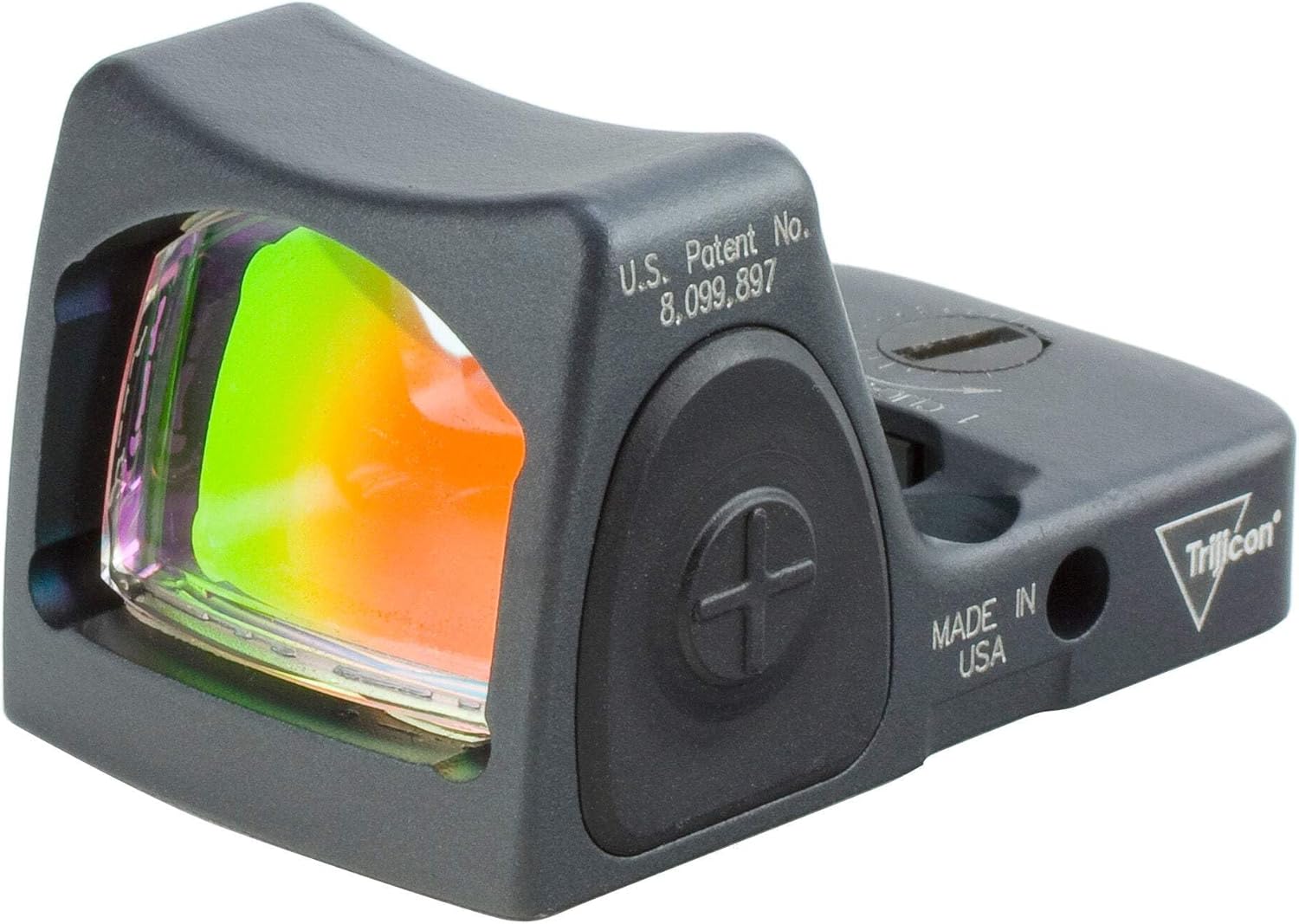
The RMR Type 2 remains the benchmark for hard-use pistol optics because of its durability, low failure rate, and excellent recoil resistance on compact pistols like the Glock 19 Gen 3.
Specs
- 3.25 MOA and 6.5 MOA options
- Forged aluminum housing
- CR2032 battery
- RMR footprint
- Adjustable LED brightness
- Waterproof to 20 meters
Pros
- Outstanding durability
- Excellent battery life
- Proven duty reliability
- Strong aftermarket support
- Low deck height
Cons
- Smaller window than newer optics
- Slight blue lens tint
- Bottom battery access
My Hands-On Notes
I’ve mounted the RMR Type 2 on multiple Gen 3 slides, including Zev and Agency cuts, and it consistently tracks recoil well. The optic sits low enough to achieve a clean lower-third co-witness with standard suppressor-height irons. That lower deck height helps presentation feel natural during rapid draws.
The buttons are recessed enough to avoid accidental presses but still tactile with gloves. Under recoil, I noticed minimal parallax shift inside practical defensive distances. The window is not large by modern standards, but the optic body disappears once I’m target-focused.
The emitter is open, so lint and rain exposure can occasionally obscure the dot during concealed carry use. Still, the housing strength offsets that drawback for many shooters.
What People Say Online
Duty users and concealed carriers consistently praise the RMR’s durability. Reddit discussions and long-term forum reviews often mention 10,000-plus round counts without zero shift. Competitive shooters sometimes prefer larger windows, but most still trust the RMR for defensive use.
Mounting Clarity
The Glock 19 Gen 3 requires an RMR-cut slide or adapter plate. Direct milling is strongly preferred because it lowers optic height and improves recoil lug engagement.
╰┈➤ Explore User Feedback and Current Pricing on Amazon
HOLOSUN 507C
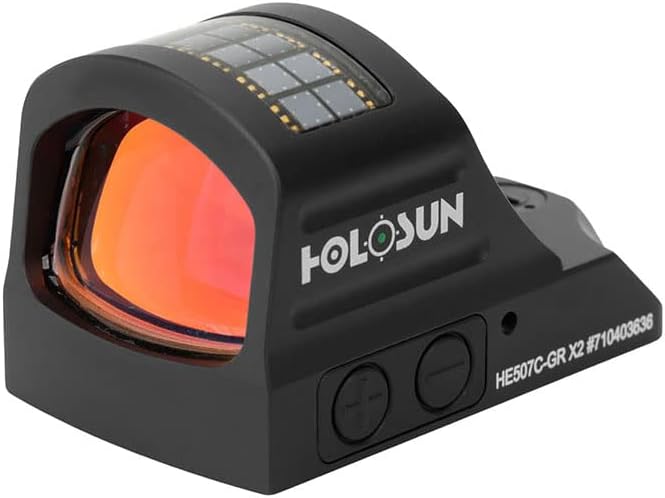
The 507C offers one of the best value-to-performance ratios in the pistol optics market and works exceptionally well on customized Glock 19 Gen 3 builds.
Specs
- Multi-reticle system
- Solar backup
- Side battery tray
- RMR footprint
- 7075 aluminum housing
- Shake-awake technology
Pros
- Excellent feature set
- Large usable window
- Side battery access
- Crisp reticle options
- Strong value
Cons
- Slightly heavier than RMR
- Noticeable lens tint
- Auto-brightness can fluctuate
My Hands-On Notes
I’ve run the 507C extensively during both range drills and concealed carry sessions. The side-loading battery tray is a major improvement over bottom-mounted battery designs because I can swap batteries without removing the optic or re-confirming zero.
The larger window compared to the RMR helps during rapid transitions. I also found the circle-dot reticle particularly useful for faster acquisition under stress shooting. The buttons remain responsive even with gloves, although they protrude slightly more than the Trijicon controls.
Parallax performance is solid at realistic handgun distances. I noticed very minor edge distortion near the upper corners, but nothing that affected practical shooting accuracy. The optic handles recoil impulse from hot defensive loads without flickering or intermittent shutdowns.
The open emitter design can still collect debris during appendix carry. However, the glass clarity and feature set compensate for that limitation.
What People Say Online
Most Glock owners praise the 507C for combining premium features with mid-tier pricing. Reddit users frequently compare it favorably against the RMR because of the battery tray and reticle versatility.
Mounting Clarity
The optic uses the RMR footprint, making it compatible with most Glock 19 Gen 3 slide cuts already designed for Trijicon optics.
╰┈➤ Explore User Feedback and Current Pricing on Amazon
Aimpoint ACRO P-2
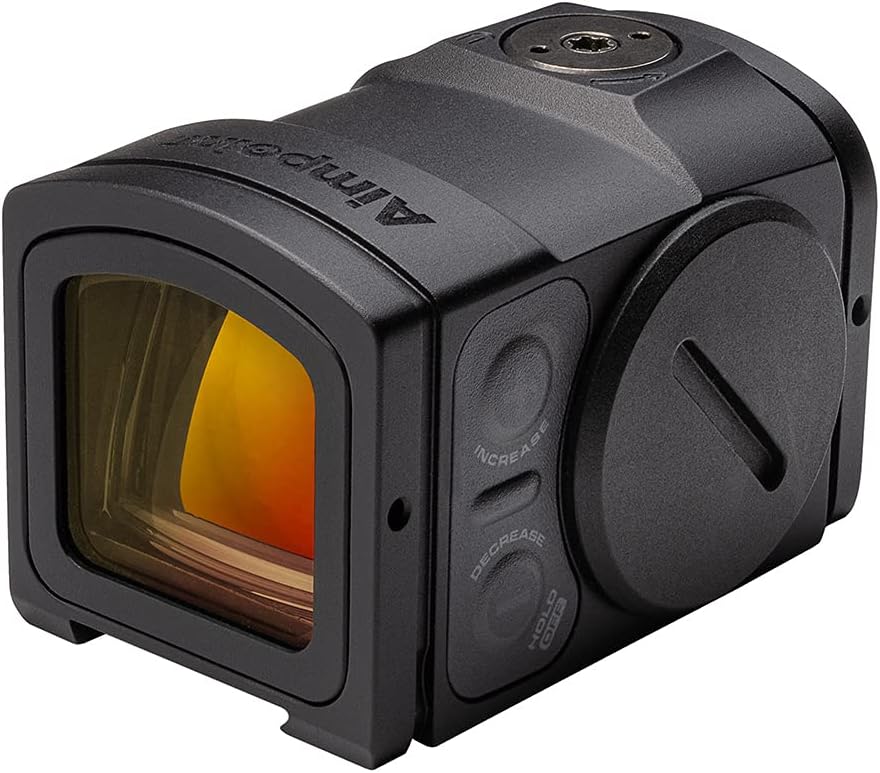
The ACRO P-2 is one of the toughest enclosed-emitter pistol optics available and excels in adverse weather or dirty carry conditions.
Specs
- Enclosed emitter design
- 3.5 MOA dot
- ACRO footprint
- CR2032 battery
- Night vision settings
- 50,000-hour battery life
Pros
- Fully enclosed emitter
- Incredible durability
- Excellent battery life
- Clear glass
- Strong weather resistance
Cons
- Bulky on compact pistols
- Expensive
- Higher deck height
My Hands-On Notes
The ACRO P-2 changes how a Glock 19 Gen 3 handles because the optic is physically larger and heavier than traditional open emitters. That added mass slightly changes slide cycling feel, although reliability remained excellent during my testing.
The enclosed emitter is the major advantage. Rain, lint, sweat, and carbon buildup never blocked the reticle during carry or training sessions. For defensive use, I consider this a meaningful upgrade over open-emitter optics.
The window is narrower than an SRO-style optic, but the sight picture remains extremely clean. Button tactility is excellent even with wet gloves, and brightness adjustments are intuitive under stress.
Parallax shift is nearly nonexistent inside handgun engagement distances. I also appreciated the neutral lens coatings because the tint is less distracting than many competing optics.
What People Say Online
Law enforcement shooters and serious defensive users consistently praise the ACRO P-2 for reliability. Many online discussions center around its enclosed emitter advantages during harsh environmental conditions.
Mounting Clarity
The ACRO footprint requires a dedicated slide cut or adapter plate. On Glock 19 Gen 3 pistols, direct milling is strongly recommended to reduce excessive optic height.
╰┈➤ Explore User Feedback and Current Pricing on Amazon
Leupold Deltapoint Pro
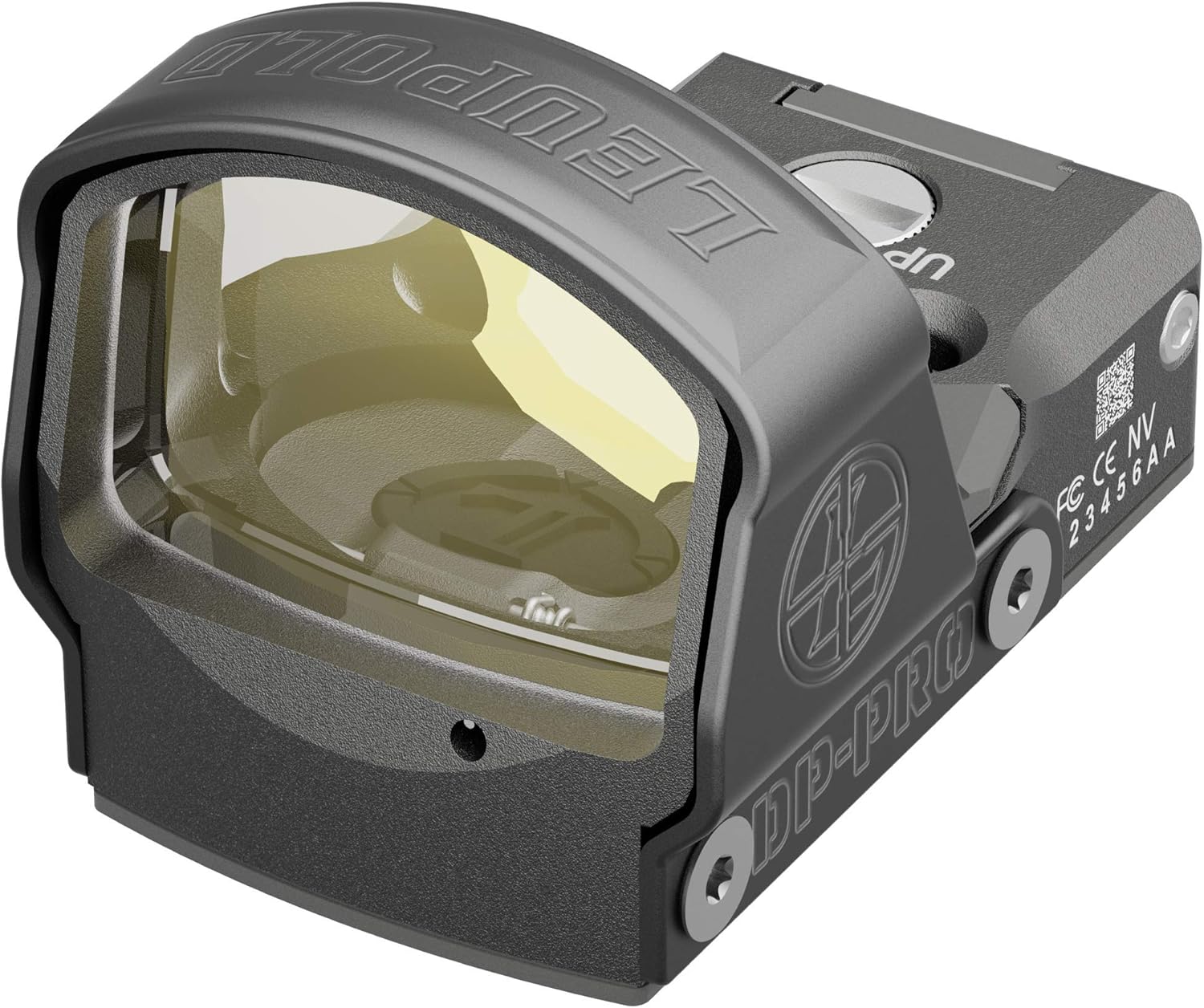
The Deltapoint Pro remains one of my favorite optics for shooters who prioritize window size and rapid target acquisition.
Specs
- Large viewing window
- Top-load battery
- 2.5 MOA dot
- Motion sensor activation
- Aluminum housing
- DeltaPoint footprint
Pros
- Huge field of view
- Excellent glass clarity
- Easy battery changes
- Fast target acquisition
- Bright reticle
Cons
- Taller deck height
- More exposed lens area
- Slightly bulky for concealment
My Hands-On Notes
The first thing I noticed with the Deltapoint Pro was how easy it is to track the dot during recoil. The oversized window makes follow-up shots feel smoother, especially during rapid cadence drills.
The top-loading battery system is one of the best designs available because there’s no need to remove the optic during maintenance. The controls are simple, though the single-button brightness adjustment takes practice under stress.
The lens coatings remain relatively neutral, which improves clarity in bright daylight. I experienced very little distortion around the edges of the window, even during awkward shooting angles.
Because the optic sits higher than many RMR-pattern sights, co-witnessing usually requires taller suppressor-height irons. That added height slightly changes presentation mechanics on the Glock 19 Gen 3 platform.
What People Say Online
Competition shooters frequently recommend the Deltapoint Pro because of the large viewing area. Defensive users generally appreciate the glass clarity and battery system, although some still prefer enclosed emitters.
Mounting Clarity
The Glock 19 Gen 3 needs a DeltaPoint-compatible slide cut or adapter plate. Direct milling produces noticeably better fitment and recoil stability.
╰┈➤ Explore User Feedback and Current Pricing on Amazon
Steiner MPS
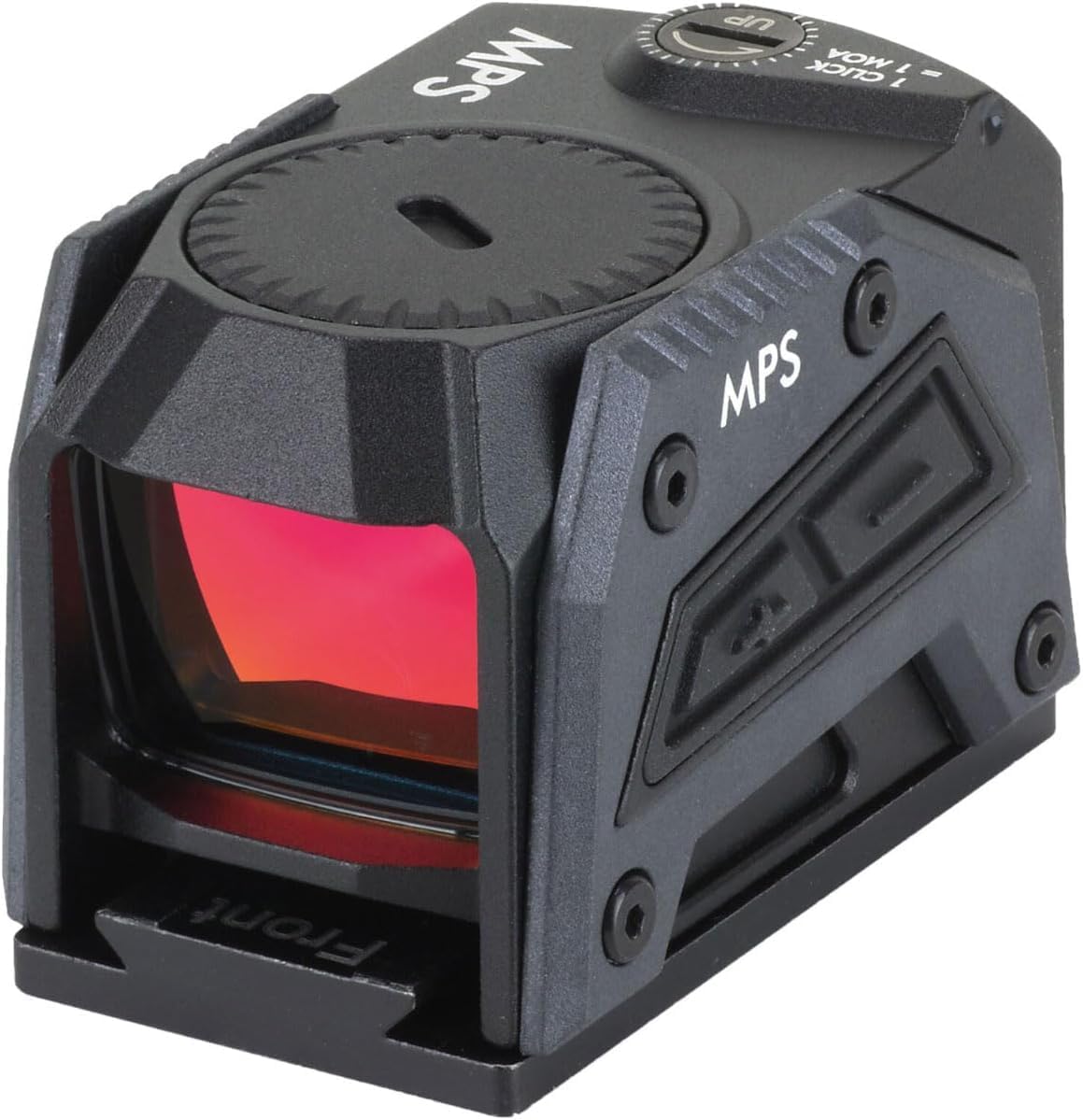
The Steiner MPS combines enclosed-emitter protection with a relatively compact footprint that balances surprisingly well on the Glock 19 Gen 3.
Specs
- Fully enclosed emitter
- 3.3 MOA dot
- Aluminum housing
- Side battery compartment
- ACRO-compatible footprint
- Waterproof construction
Pros
- Durable enclosed housing
- Good glass quality
- Side battery access
- Minimal distortion
- Strong recoil handling
Cons
- Slightly heavy
- Limited aftermarket mounting support
- Brightness buttons are small
My Hands-On Notes
I found the Steiner MPS easier to conceal than the ACRO P-2 despite similar enclosed-emitter architecture. The optic profile feels slightly more streamlined on compact Glock slides.
The side battery compartment is extremely convenient because it preserves zero during battery swaps. I also appreciated the clean glass and low distortion across the viewing window. Compared to some enclosed optics, the MPS produces less tunnel effect.
Button tactility is decent but somewhat small with gloves. Under recoil, the optic remained stable with no noticeable flickering or intermittent brightness changes.
Parallax performance stayed consistent during movement drills, and the enclosed emitter completely eliminated occlusion concerns from rain or debris buildup.
What People Say Online
The MPS has gained strong support among shooters wanting enclosed reliability without the bulk of larger duty optics. Many online discussions praise its rugged housing and crisp dot clarity.
Mounting Clarity
The MPS uses an ACRO-style footprint. Glock 19 Gen 3 users should strongly consider direct milling to keep optic height manageable.
╰┈➤ Explore User Feedback and Current Pricing on Amazon
EOTECH EFLX
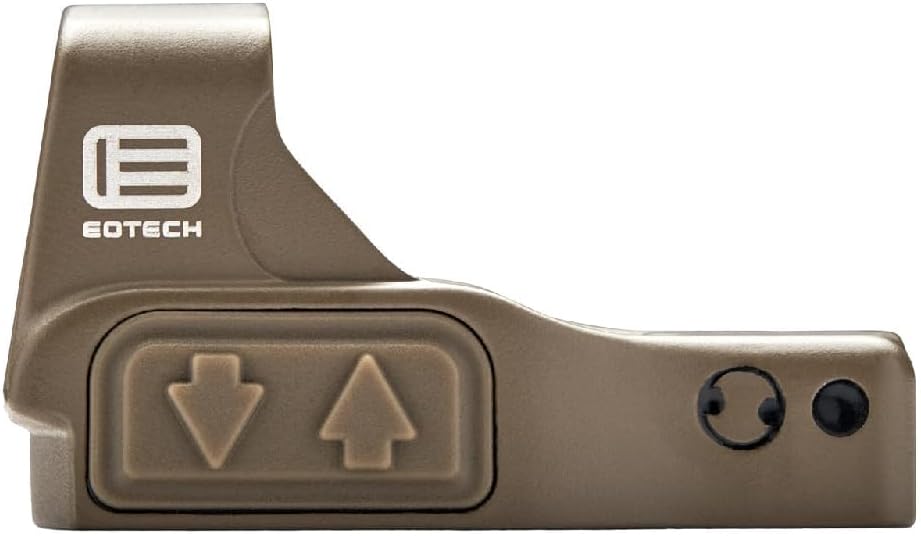
The EFLX delivers one of the cleanest and widest sight pictures available in a modern pistol optic.
Specs
- Large rectangular window
- Top-loading battery
- DeltaPoint Pro footprint
- 3 MOA dot
- Aluminum housing
- Rear-facing controls
Pros
- Excellent window size
- Very clean glass
- Convenient controls
- Top battery access
- Fast tracking
Cons
- Open emitter design
- Less proven long-term durability
- Wider housing profile
My Hands-On Notes
The EFLX feels extremely fast on the Glock 19 Gen 3 platform because of the large rectangular window. During transitions between multiple targets, the optic stays easy to track without excessive hunting for the dot.
I particularly liked the rear-facing brightness controls because they’re easier to manipulate than side-mounted buttons while maintaining a firing grip. The controls remain tactile with gloves and produce positive clicks.
Glass quality is outstanding with minimal blue tint. The viewing window also exhibits very little edge distortion compared to some competing optics in this category.
The optic handled recoil well during my testing, though it still lacks the decade-long durability track record of the RMR. The open emitter can also become partially blocked by lint or moisture during concealed carry.
What People Say Online
Shooters frequently praise the EFLX for its impressive window size and crisp viewing experience. Some users remain cautious about long-term durability, but overall feedback has improved steadily.
Mounting Clarity
The EFLX uses the DeltaPoint Pro footprint, so Glock 19 Gen 3 slides need compatible milling or adapter plates.
╰┈➤ Explore User Feedback and Current Pricing on Amazon
How I Tested / Evaluation Criteria
Parallax
I evaluated each optic by shooting from unconventional angles at 10 to 25 yards while deliberately shifting head position. Some optics showed mild edge shift, but the best performers maintained predictable point-of-impact consistency. Enclosed emitters generally performed slightly better because of cleaner optical alignment.
Co-Witness / Deck Height
Deck height dramatically affects presentation on a Glock 19 Gen 3. Lower-mounted optics like the RMR and 507C allowed more natural co-witness alignment with suppressor-height sights. Taller enclosed optics required additional adjustment during presentation drills.
Durability
I focused heavily on recoil endurance, housing rigidity, and lens protection. Compact pistols generate abrupt slide acceleration, which quickly exposes weak electronics or poor sealing systems. The ACRO P-2 and RMR Type 2 stood out for surviving repeated recoil cycles without issue.
Battery
Battery accessibility matters more than many shooters realize. Side-loading and top-loading systems simplify maintenance while preserving zero. Bottom-mounted batteries remain reliable but increase maintenance inconvenience.
Brightness Range
I tested brightness performance under direct sunlight, indoor lighting, and low-light conditions. Optics with broader brightness ranges handled transitional lighting conditions better and reduced reticle bloom during night shooting.
Glass Quality
Glass clarity affects target identification and tracking speed. I evaluated lens tint, edge distortion, glare resistance, and window transparency during outdoor range sessions. The EFLX and Deltapoint Pro offered particularly clean viewing experiences.
Controls Ergonomics
Button placement becomes important during stress shooting and glove use. Some optics used recessed buttons that reduced accidental activation, while others prioritized larger tactile controls for easier manipulation.
Mounting Ecosystem
Because the Glock 19 Gen 3 requires aftermarket milling or adapter plates, footprint availability matters significantly. RMR-pattern optics remain easiest to mount due to widespread aftermarket support.
How to Choose the Right Red Dot for This Gun
Choosing a pistol optic for a Glock 19 Gen 3 starts with understanding how you plan to use the gun. A concealed carry setup prioritizes different features than a competition build or duty pistol.
If your primary concern is defensive reliability, I strongly favor enclosed-emitter optics like the Aimpoint ACRO P-2 or Steiner MPS. These optics prevent emitter blockage from sweat, rain, lint, or carbon buildup. Open emitters remain extremely popular, but they are more vulnerable to debris interference during daily carry.
Window size also changes shooting behavior. Larger windows like the Deltapoint Pro and EFLX make dot tracking easier during rapid strings of fire. Smaller windows often conceal better and reduce overall slide bulk.
Deck height matters more on Gen 3 Glocks because aftermarket slide milling varies considerably between manufacturers. A lower-mounted optic improves natural presentation and co-witness alignment. Excessively tall setups can feel awkward during fast draws.
Battery design is another major factor. I prefer side-loading or top-loading batteries because they simplify maintenance and reduce the risk of losing zero. Frequent shooters should avoid optics requiring full removal for every battery change unless durability advantages justify the tradeoff.
Footprint compatibility should never be overlooked. The RMR footprint dominates the Glock aftermarket ecosystem, making optics like the RMR Type 2 and 507C easier to support with holsters, mounting screws, and aftermarket cuts.
Glass quality and tint also deserve attention. Excessive blue tint can reduce contrast in low-light conditions. Some shooters tolerate tint for improved battery efficiency, while others prioritize neutral glass for target clarity.
Finally, consider recoil durability honestly. Compact pistols punish electronics aggressively. An optic that works well on a range toy may fail under high-round-count defensive training. Proven optics with strong sealing, reliable electronics, and durable recoil lugs remain the safest long-term investment.
FAQs
Is the Glock 19 Gen 3 optics-ready?
No. The Gen 3 Glock 19 requires slide milling, an aftermarket optics-ready slide, or a dovetail mounting solution to install a red dot.
What footprint is best for a Glock 19 Gen 3?
The RMR footprint is usually the best choice because it offers the widest aftermarket support and the largest optic selection.
Are enclosed emitters worth it for concealed carry?
Yes. Enclosed emitters provide better protection against sweat, lint, moisture, and debris that can obstruct open-emitter optics.
Do I need suppressor-height sights with a red dot?
In most cases, yes. Suppressor-height sights provide backup aiming capability and help establish a faster co-witness reference.
Which optic is easiest to conceal?
The Trijicon RMR Type 2 and HOLOSUN 507C generally conceal more easily because of their compact dimensions and lower profile.
Conclusion
After extensive testing, I believe the Best Red Dot for Glock 19 Gen 3 depends largely on whether you prioritize durability, concealment, or shooting speed. The Trijicon RMR Type 2 remains the safest all-around choice for defensive reliability, while the HOLOSUN 507C delivers exceptional value and modern features. Shooters wanting enclosed-emitter protection should seriously consider the Aimpoint ACRO P-2 or Steiner MPS, especially for harsh carry environments. Meanwhile, the Deltapoint Pro and EFLX excel for fast target acquisition and larger sight pictures.
Sources referenced include manufacturer specifications from Trijicon, Aimpoint, EOTECH, Steiner, Leupold, and Holosun, along with user discussions from Reddit handgun communities, pistol-forum testing threads, and optic mounting references from Glock slide milling specialists.