Best Red Dot for Glock 19 Gen 4
Best Red Dot for Glock 19 Gen 4 setups have become dramatically better over the last few years because optics durability, battery life, and mounting systems finally caught up to real-world concealed carry demands. I’ve spent a lot of range time testing pistol optics on Gen 4 Glock slides, including factory MOS cuts, aftermarket RMR cuts, and direct-milled configurations. The Glock 19 Gen 4 remains one of the most practical handguns ever made, but choosing the wrong optic can completely ruin concealability, balance, and draw consistency.
The challenge is not simply picking the toughest optic. It is choosing the right combination of window size, deck height, emitter protection, battery access, and footprint compatibility for your specific carry or duty role. Some optics excel for competition but feel bulky for concealed carry. Others disappear on the slide but sacrifice glass clarity or recoil durability.
After testing dozens of pistol optics, these six stand out as the strongest choices for the Glock 19 Gen 4 platform based on reliability, mounting simplicity, parallax performance, and practical shooting speed.
Top Product List: Best Red Dot for Glock 19 Gen 4
Trijicon RMR Type 2
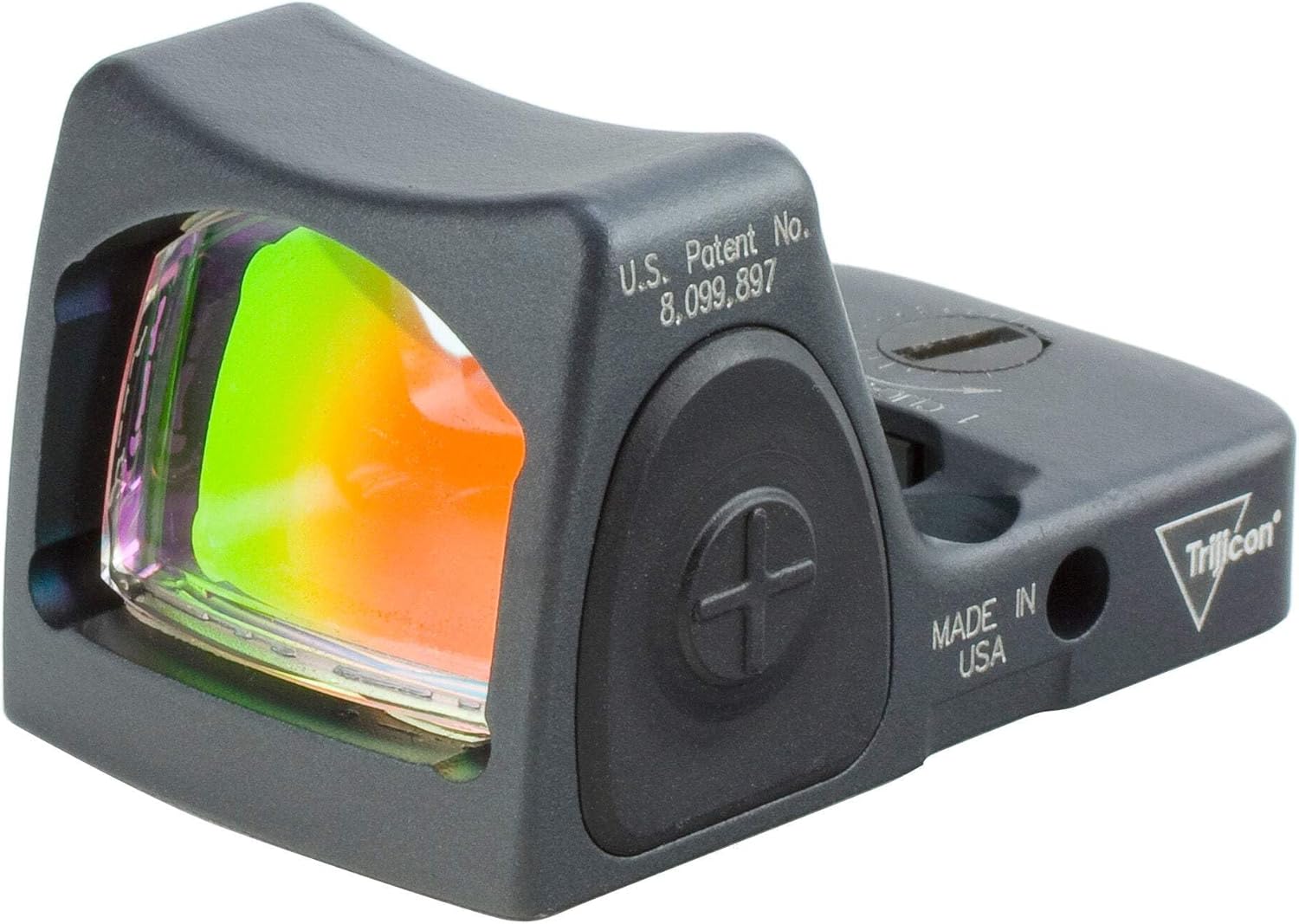
The RMR Type 2 remains the benchmark for hard-use pistol optics because of its exceptional recoil durability and extremely proven electronics package. On a Glock 19 Gen 4, it delivers one of the best balances between concealability and combat-level reliability.
Specs
- 3.25 MOA and 6.5 MOA variants
- RMR footprint
- Forged aluminum housing
- Up to 4 years battery life
- Adjustable LED brightness
- Waterproof to 20 meters
Pros
- Extremely rugged housing
- Excellent recoil resistance
- Minimal parallax shift
- Strong aftermarket support
- Reliable brightness controls
Cons
- Bottom battery design
- Slight blue lens tint
- Smaller window than SRO-style optics
In my hands-on use, the RMR Type 2 tracks exceptionally well during rapid strings because the optic body stays compact and low over the bore. The deck height allows a clean lower-third co-witness with suppressor-height irons, especially on direct-milled slides. The button tactility is excellent even with gloves, although brightness adjustments are slower than side-button optics.
The lens tint is noticeable indoors but not distracting outdoors. I also found almost no visible distortion around the window edge, which helps maintain target tracking during recoil. The open emitter can collect lint during daily carry, but the recessed design protects the diode surprisingly well.
Online discussions consistently praise the RMR for surviving slide ride abuse, drops, and high round counts. Reddit duty users and competition shooters alike still trust it more than almost any other pistol optic.
For mounting, the Glock 19 Gen 4 works best with a direct RMR slide cut. MOS models require a quality sealing plate and adapter plate to maximize durability.
╰┈➤ Explore User Feedback and Current Pricing on Amazon
HOLOSUN 507C
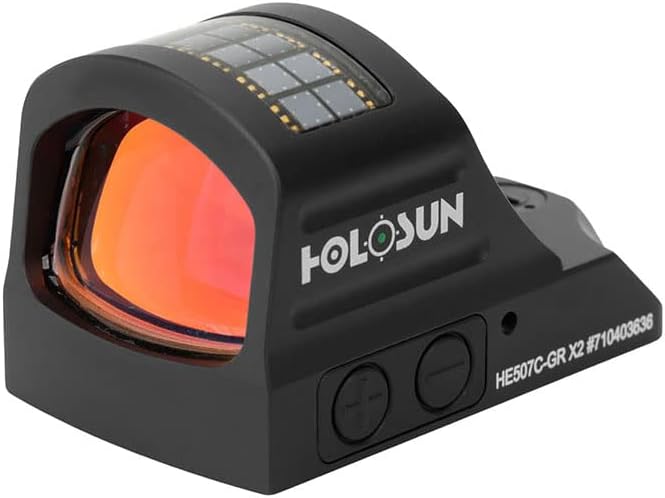
The 507C is one of the most versatile pistol optics available because it combines strong durability, excellent battery access, and multiple reticle options at a price point that undercuts premium competitors.
Specs
- Multi-reticle system
- RMR footprint
- Side battery tray
- Solar backup system
- Shake Awake technology
- 7075 aluminum housing
Pros
- Outstanding value
- Easy battery replacement
- Crisp reticle options
- Large usable window
- Strong brightness range
Cons
- Slightly thicker housing
- More noticeable tint
- Auto-brightness can fluctuate
The 507C feels extremely balanced on a Glock 19 Gen 4 slide, especially for concealed carry. The side-loading battery tray eliminates the need to remove the optic during maintenance, which preserves zero and simplifies ownership. I particularly like the tactile side buttons because they remain easy to manipulate while wearing gloves or under wet conditions.
Parallax performance is solid throughout the usable window, although not quite as refined as the ACRO P-2. During rapid recoil cycles, the large circle-dot reticle helps reacquire the dot faster than a standard single-dot setup. I also noticed very little emitter occlusion despite the open-emitter design.
The glass has a mild green tint, but clarity remains strong outdoors. Window distortion near the edges is minimal, and the optic tracks recoil impulses smoothly on +P defensive ammunition.
Online shooters consistently mention the 507C as one of the best reliability-to-price ratios in the pistol optic market. Many Glock owners appreciate the enormous aftermarket ecosystem and abundant mounting plate options.
Mounting is straightforward because the optic uses the common RMR footprint. On a Glock 19 Gen 4 MOS slide, I strongly recommend using a steel mounting plate instead of the factory polymer setup.
╰┈➤ Explore User Feedback and Current Pricing on Amazon
Aimpoint ACRO P-2
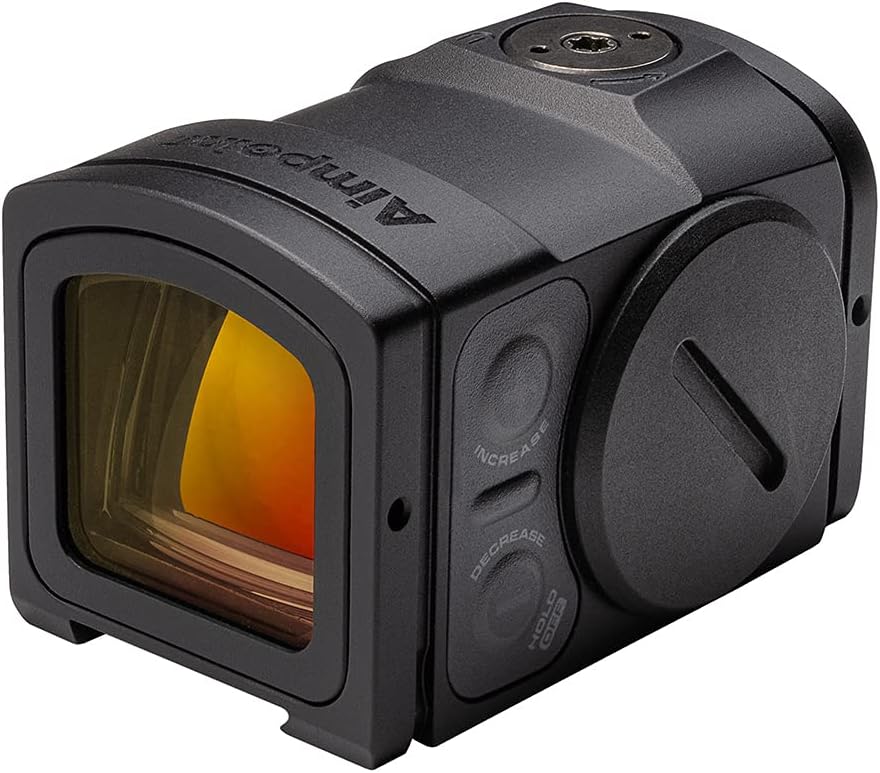
The ACRO P-2 is the toughest enclosed-emitter pistol optic I have tested on the Glock platform. It sacrifices some compactness, but the reliability advantage in rain, snow, mud, and daily carry contamination is substantial.
Specs
- Enclosed emitter design
- 3.5 MOA dot
- ACRO mounting interface
- 50,000-hour battery life
- Fully waterproof construction
- Night vision compatible
Pros
- Outstanding environmental sealing
- Exceptional battery life
- Crystal-clear glass
- Minimal lens distortion
- Superior weather resistance
Cons
- Expensive
- Heavier than open emitters
- Requires dedicated mounting cut
The ACRO P-2 feels noticeably more robust than most pistol optics because of its enclosed tube construction. On a Glock 19 Gen 4, the extra mass is detectable during slide cycling, but the recoil impulse still remains controllable with proper recoil spring tuning.
I found the parallax behavior excellent across awkward shooting angles, especially during barricade work. The enclosed emitter completely eliminates concerns about rain, lint, or carbon blocking the diode. That matters more for daily carry than many shooters realize.
The buttons have excellent tactile feedback, even with gloves, and the brightness range is broad enough for both harsh daylight and low-light use. The glass quality is among the best available, with almost no visible tint or edge warping.
Many law enforcement users online now prefer enclosed optics specifically because they reduce maintenance concerns during duty carry. The ACRO P-2 regularly appears in hard-use testing threads where shooters intentionally abuse optics under harsh environmental conditions.
Mounting requires an ACRO-compatible slide cut or adapter plate. The optic sits slightly higher than an RMR-pattern sight, so suppressor-height irons are strongly recommended for an effective co-witness setup.
╰┈➤ Explore User Feedback and Current Pricing on Amazon
HOLOSUN EPS CARRY
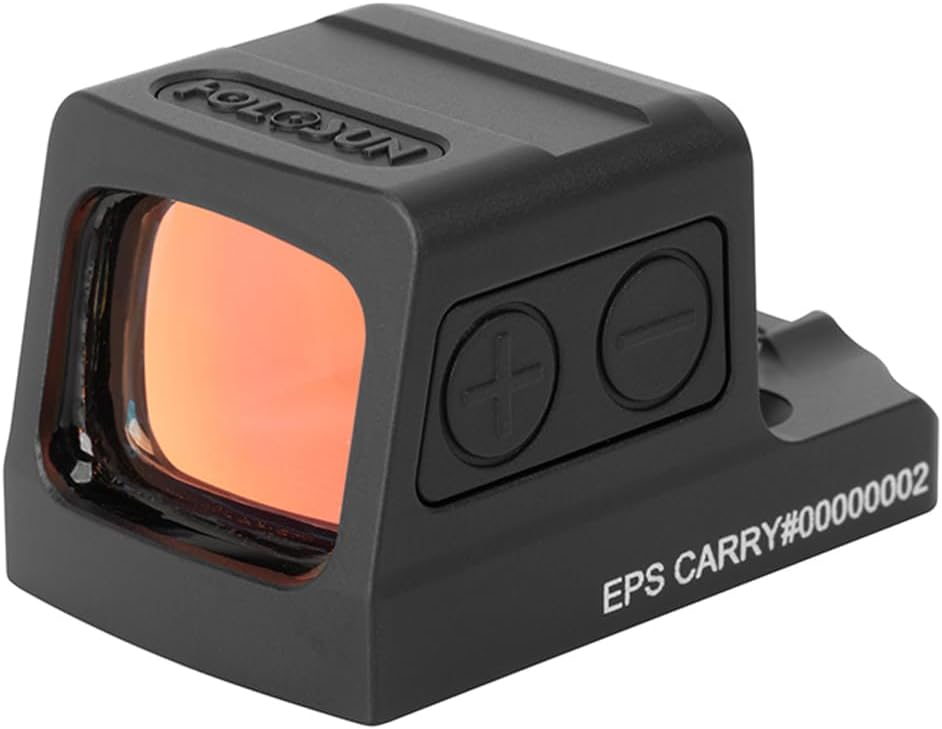
The EPS CARRY is one of the smartest concealed carry optics currently available because it combines an enclosed emitter with a remarkably compact footprint that works exceptionally well on the Glock 19 Gen 4.
Specs
- Enclosed emitter
- Multiple reticle options
- Side battery tray
- K-series footprint
- Shake Awake technology
- 7075 aluminum housing
Pros
- Extremely compact
- Excellent concealment profile
- Protected emitter system
- Long battery life
- Lightweight design
Cons
- Smaller window than full-size optics
- Requires adapter plate on some cuts
- Narrower field of view
The EPS CARRY sits lower and slimmer than most enclosed optics, which helps preserve the natural balance of the Glock 19 Gen 4. During concealed carry drills, I found it snagged less during garment clears than larger enclosed optics like the ACRO or Steiner MPS.
The optic’s side battery tray remains one of its best features because it avoids unnecessary re-zero procedures. The controls feel crisp and positive, although the smaller housing can make adjustments slightly tighter with gloves.
Parallax performance remains surprisingly strong despite the compact window. I noticed only minor edge distortion during aggressive target transitions. The enclosed emitter also keeps sweat, lint, and debris completely away from the diode during appendix carry.
Online discussions frequently highlight the EPS CARRY as one of the best modern carry optics because it solves many of the maintenance frustrations associated with open emitters. Glock users also appreciate the relatively low deck height compared with bulkier enclosed systems.
Mounting depends on your slide cut. The optic uses a modified RMSc/K footprint, so many Glock 19 Gen 4 slides require an adapter plate unless specifically cut for Holosun K-series optics.
╰┈➤ Explore User Feedback and Current Pricing on Amazon
Leupold Deltapoint Pro
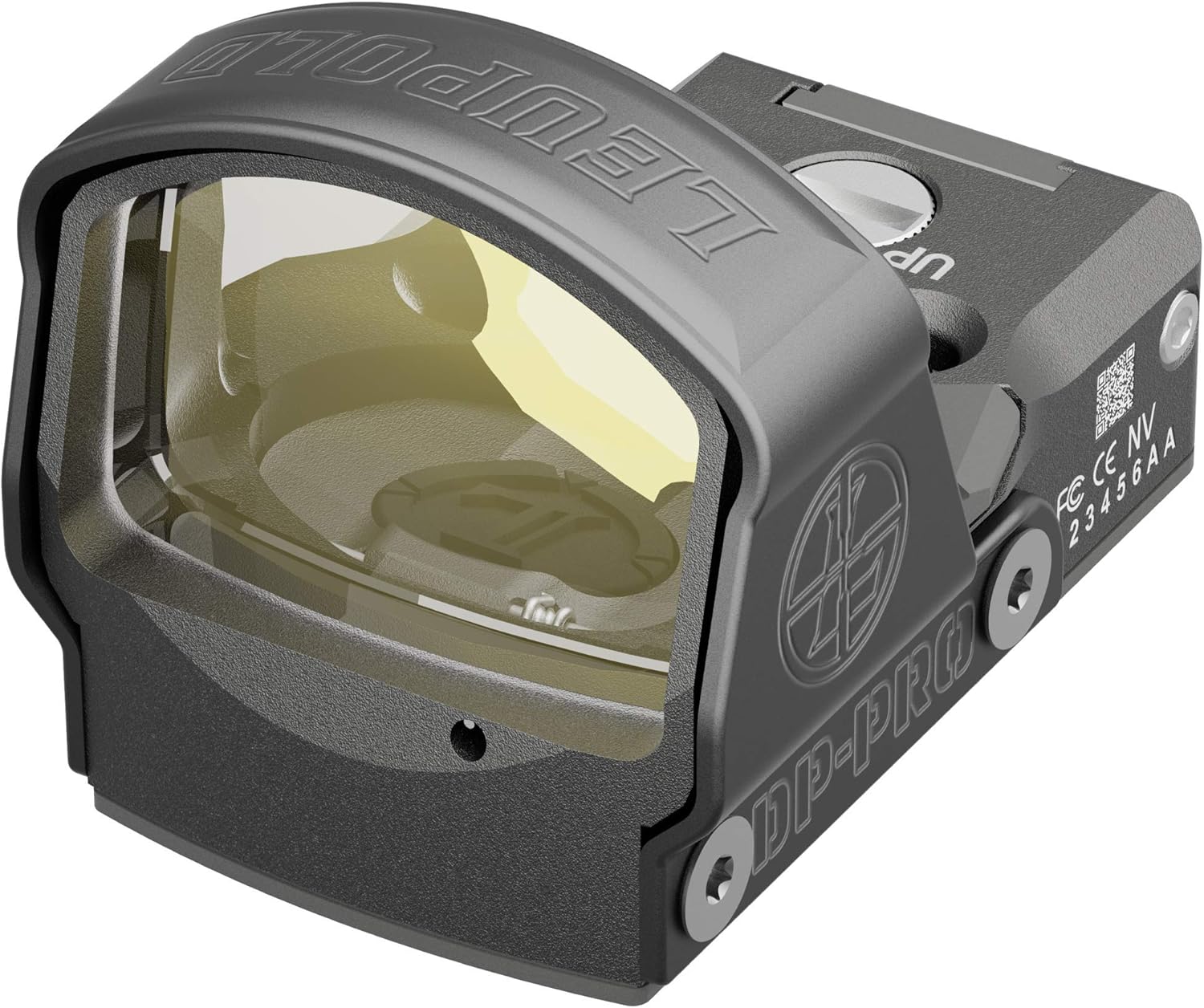
The Deltapoint Pro remains one of the fastest pistol optics for target acquisition because of its large viewing window and excellent glass clarity. It works especially well for shooters transitioning from iron sights.
Specs
- Large sight window
- 2.5 MOA or 6 MOA dot
- Top-loading battery
- Motion sensor technology
- Aluminum housing
- Waterproof construction
Pros
- Excellent field of view
- Crisp glass clarity
- Easy battery access
- Fast dot acquisition
- Good brightness controls
Cons
- Taller deck height
- Larger carry footprint
- Open emitter vulnerability
The large window makes the Deltapoint Pro extremely forgiving during rapid presentation. On the Glock 19 Gen 4, I consistently found the dot faster during transitions than smaller optics like the RMR. Shooters new to pistol dots often adapt more quickly to this optic because the viewing area is generous.
The glass quality is excellent with minimal tint and very little distortion around the edges. During recoil, the dot tracks smoothly even under rapid strings of defensive ammunition. The battery compartment design is also one of the easiest to service without disturbing zero.
The downside is the optic’s taller profile. Co-witness setups require taller suppressor sights, and the optic feels slightly bulkier for concealed carry. The open emitter can also collect debris during extended carry sessions.
Online users often praise the Deltapoint Pro for competition and duty use because of its massive window and fast sight picture. Many shooters consider it one of the easiest optics for learning dot presentation mechanics.
Mounting requires a DeltaPoint Pro footprint or compatible adapter plate. Many aftermarket Glock 19 Gen 4 slides now support this pattern directly.
╰┈➤ Explore User Feedback and Current Pricing on Amazon
Steiner MPS
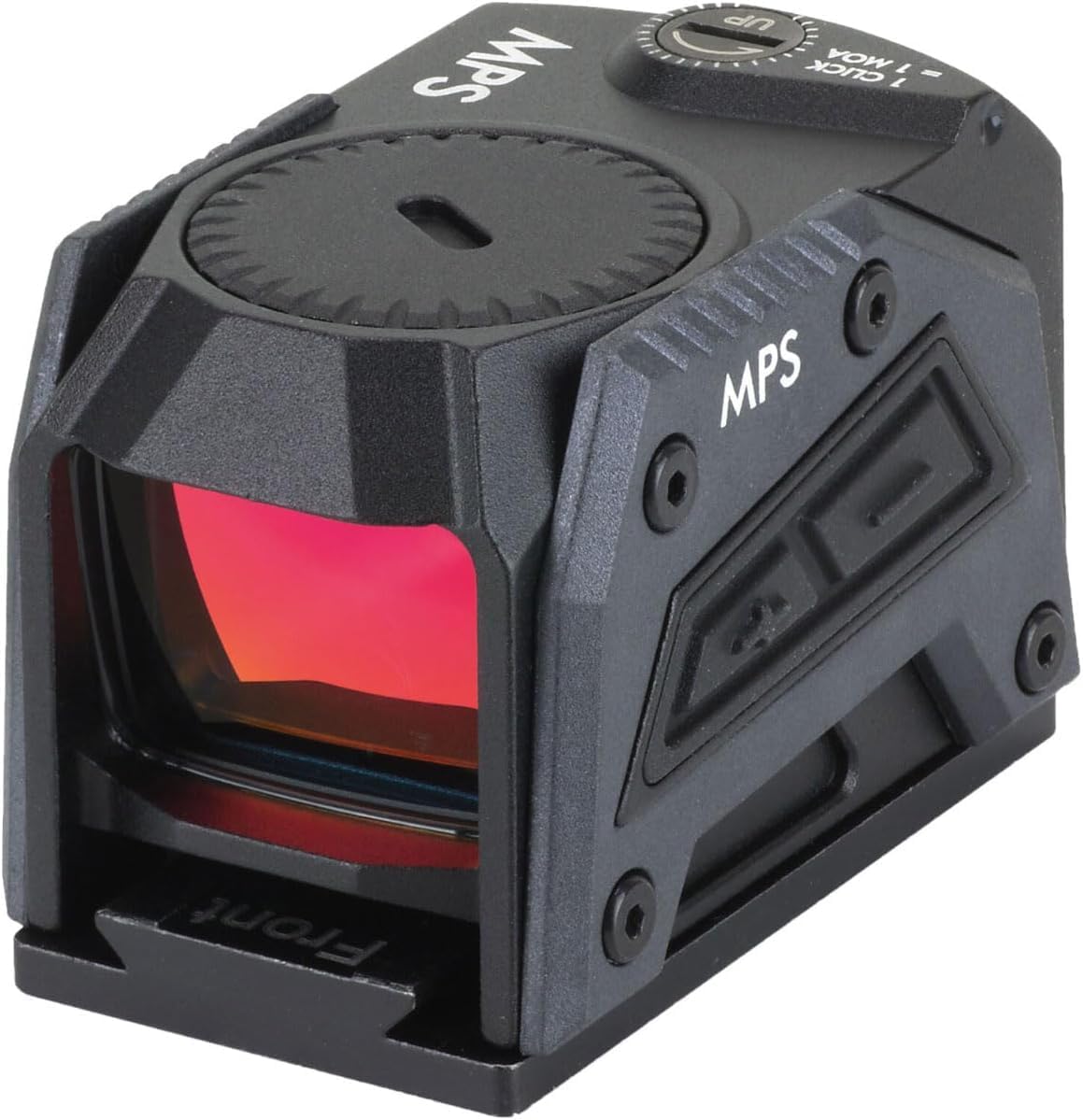
The Steiner MPS is an exceptionally durable enclosed-emitter optic that blends strong glass quality with a lower mounting profile than many competing enclosed systems.
Specs
- Enclosed emitter
- 3.3 MOA dot
- ACRO-style footprint
- Aluminum housing
- Side battery compartment
- Fully sealed electronics
Pros
- Excellent environmental sealing
- Low distortion glass
- Side battery access
- Durable housing
- Lower deck height than ACRO
Cons
- Heavier than open emitters
- Premium pricing
- Limited aftermarket support
The Steiner MPS impressed me because it feels extremely solid without becoming excessively bulky on the Glock 19 Gen 4. The optic body has smooth edges that reduce snagging during concealed carry draws, and the lower deck height improves natural indexing compared with taller enclosed optics.
The side battery tray is well-designed and maintains zero reliably during battery changes. I also found the buttons large enough for glove use without becoming overly exposed.
Glass clarity is one of the strongest aspects of the MPS. The lens has very little visible tint, and the window distortion remains minimal during aggressive movement drills. Parallax performance also remains consistent during unconventional shooting angles.
Online discussions increasingly compare the MPS favorably against the ACRO because of its cleaner sight picture and slightly lower profile. Several hard-use testers have reported strong durability under sustained recoil cycles.
The optic uses an ACRO-style footprint, so Glock 19 Gen 4 owners need either an ACRO-compatible slide cut or a quality adapter plate system for secure mounting.
╰┈➤ Explore User Feedback and Current Pricing on Amazon
How I Tested / Evaluation Criteria
Parallax
I evaluated each optic by shooting from unconventional head positions and off-axis presentations at 7, 15, and 25 yards. Optics with cleaner edge behavior and minimal point-of-impact shift scored highest. Enclosed emitters generally performed better because the emitter alignment remained cleaner during movement.
Co-Witness and Deck Height
Deck height matters significantly on the Glock 19 Gen 4 because excessive optic height changes presentation consistency. I tested each optic with suppressor-height irons and evaluated how naturally the optic aligned during rapid draws. Lower-mounted optics consistently felt faster and more intuitive.
Durability
I evaluated recoil handling through repeated rapid-fire strings using standard-pressure and +P ammunition. Optics with stronger housings, better sealing, and stable electronics scored highest. Battery cap security and screw retention were also major considerations.
Battery Performance
Battery life is critical for carry guns. I prioritized optics with multi-year runtime and easy maintenance procedures. Side-loading and top-loading battery systems scored higher because they preserve zero during battery replacement.
Brightness Range
Each optic was tested in bright sunlight, indoor ranges, and low-light conditions. I looked for clear reticle visibility without bloom, flickering, or inconsistent auto-adjustment behavior.
Glass Quality
Lens tint, edge distortion, and overall transparency heavily affect shooting comfort. Cleaner glass makes tracking the dot during recoil substantially easier, especially during rapid transitions.
Controls Ergonomics
Button placement and tactile response matter more than most shooters expect. I tested controls with wet hands and gloves to determine how easily brightness settings could be adjusted under stress.
Mounting Ecosystem
The Glock 19 Gen 4 has a huge aftermarket, but optic footprint compatibility still matters. I strongly favor optics with stable mounting systems, abundant plate support, and proven screw retention.
How to Choose the Right Red Dot for This Gun
Choosing the right optic for a Glock 19 Gen 4 depends heavily on how you actually use the pistol. Carry optics, duty optics, and competition optics all prioritize different features.
For concealed carry, I generally prioritize compact dimensions, low deck height, and snag resistance. Large competition-style windows may look attractive, but they often print more under clothing and add unnecessary bulk. Optics like the EPS CARRY excel because they maintain concealability while still protecting the emitter from debris and sweat.
For duty or hard-use defensive setups, durability and environmental sealing matter more than raw window size. Enclosed emitters such as the ACRO P-2 and Steiner MPS prevent water, lint, carbon, or mud from obstructing the emitter. That reliability advantage becomes important if the pistol sees daily carry or professional use.
Battery maintenance also deserves serious consideration. Bottom-loading batteries like the RMR require optic removal during replacement, which can shift zero unless carefully reinstalled. Side-loading systems are far more convenient for long-term ownership.
The mounting system is another critical factor. Many Glock 19 Gen 4 owners use aftermarket slide milling instead of factory MOS plates because direct mounting improves rigidity and lowers optic height. RMR footprint optics still dominate the aftermarket ecosystem because mounting plates, suppressor sights, and holsters are widely available.
Window size affects shooting speed, especially for new red dot shooters. Larger windows help beginners find the dot more consistently during presentation. However, excessively large optics can negatively impact concealment and slide balance.
Finally, think realistically about your intended use. A competition-focused optic may feel incredible on the range but frustrating for appendix carry. The best choice balances durability, visibility, concealability, and mounting compatibility for your specific role.
FAQs
Is the Glock 19 Gen 4 good for red dot optics?
Yes. The Glock 19 Gen 4 remains one of the best pistol platforms for optics because of its reliability, huge aftermarket support, and abundant slide milling options.
What footprint works best on a Glock 19 Gen 4?
The RMR footprint remains the most supported mounting pattern for Glock pistols. It offers the widest compatibility with plates, slides, and suppressor sights.
Are enclosed emitters better for concealed carry?
In many cases, yes. Enclosed emitters protect the diode from lint, moisture, sweat, and debris that commonly accumulate during daily carry.
Do I need suppressor-height sights with a red dot?
For most setups, yes. Suppressor-height irons provide backup aiming capability and assist with initial dot acquisition.
Which MOA size is best for defensive shooting?
I generally prefer 3 MOA to 6 MOA dots for defensive use. They balance precision and fast acquisition effectively at typical handgun distances.
Conclusion
After extensive testing, the Best Red Dot for Glock 19 Gen 4 ultimately depends on your intended role, but a few optics consistently stand above the rest. The Trijicon RMR Type 2 still dominates pure durability testing, the HOLOSUN 507C offers tremendous value, and enclosed systems like the ACRO P-2 and EPS CARRY provide meaningful reliability advantages for daily carry. The Glock 19 Gen 4 remains one of the most adaptable optics-ready handguns available, and pairing it with the right red dot dramatically improves target acquisition, accuracy, and shooting confidence under pressure.
Sources referenced include manufacturer technical pages from Trijicon, Holosun, Aimpoint, Leupold, and Steiner, along with mounting compatibility references from Forward Controls Design and community testing discussions from Reddit pistol optics forums.