Best Red Dot for Glock 23
Best Red Dot for Glock 23 setups need to balance recoil durability, fast target acquisition, compact dimensions, and reliable mounting compatibility with the Glock .40 S&W platform. I’ve spent years testing pistol optics across duty guns, concealed carry builds, and range-focused Glock configurations, and the Glock 23 remains one of the trickier pistols to optimize because of its snappier recoil impulse compared to 9mm variants.
A quality optic on a Glock 23 needs more than a bright dot. The best models maintain zero through repeated .40 caliber recoil cycles, provide strong lens coatings, minimize parallax shift, and offer practical deck height for co-witnessing suppressor-height sights. I also pay close attention to emitter design, battery access, window distortion, and button ergonomics because those details matter once you start training seriously.
After extensive evaluation, these six optics stand out as the strongest overall choices for the Glock 23 platform, whether your priority is concealed carry, home defense, duty use, or competition shooting.
Top Product List: Best Red Dot for Glock 23
Trijicon RMR Type 2
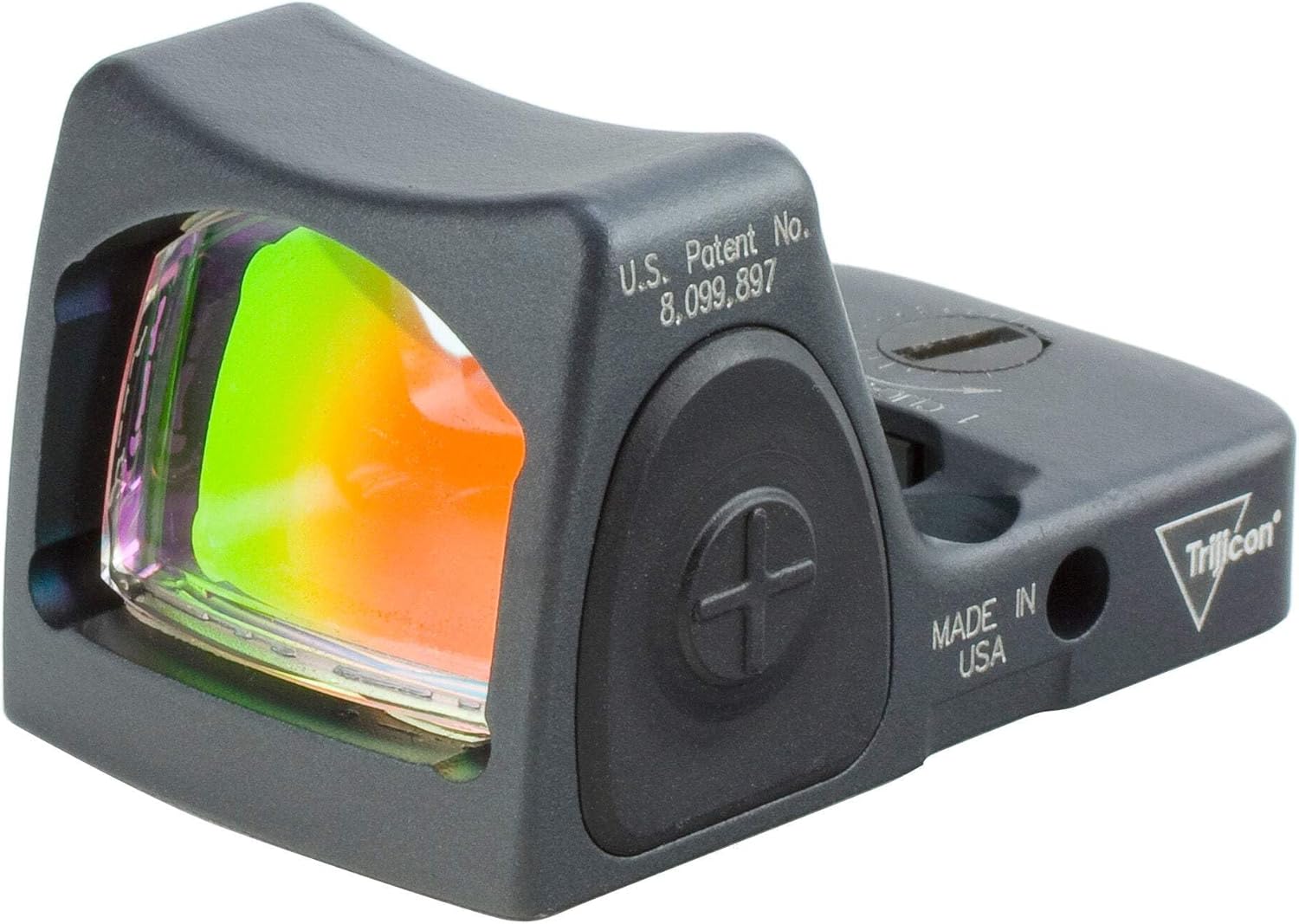
The RMR Type 2 remains the benchmark for hard-use pistol optics. On the Glock 23, its forged housing and proven recoil durability make it one of the safest choices for defensive carry and duty applications.
Specs
- 3.25 MOA dot
- RMR footprint
- 7075-T6 aluminum housing
- Adjustable LED brightness
- Bottom battery compartment
- Waterproof to 20 meters
Pros
- Exceptional recoil resistance
- Minimal parallax shift
- Strong aftermarket support
- Crisp dot clarity
- Reliable sealing system
Cons
- Bottom battery requires optic removal
- Slight blue lens tint
- Smaller window than competition optics
My hands-on notes
The RMR Type 2 handles .40 S&W recoil exceptionally well. During rapid strings, the optic never lost zero and maintained consistent tracking through aggressive recoil impulse cycles. The buttons have excellent tactile feedback even while wearing gloves, and the housing shape naturally deflects impacts.
Its deck height allows a practical lower-third co-witness with suppressor-height Glock sights. I noticed very little edge distortion, though the blue lens tint is noticeable under indoor lighting. The open emitter design can collect lint during concealed carry, but the emitter itself stays well protected.
What people say online
Most shooters on Glock forums and Reddit still consider the RMR the durability king for duty pistols. Users consistently praise its longevity and reliability under heavy round counts, especially on .40 caliber pistols where recoil can expose weaker optics.
Mounting clarity
The Glock 23 requires either an MOS-compatible slide or an RMR-cut slide. Many aftermarket slides support direct mounting, while factory MOS variants need an adapter plate.
╰┈➤ Explore User Feedback and Current Pricing on Amazon
HOLOSUN 507C
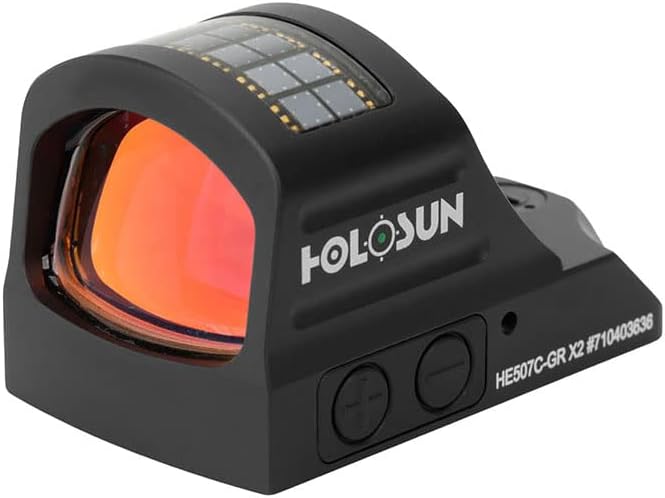
The 507C delivers one of the best feature-to-price ratios available for Glock pistols. It combines rugged construction, multiple reticle options, and strong battery performance in a compact package.
Specs
- 2 MOA dot with 32 MOA circle
- Solar backup system
- Side-loading battery tray
- RMR footprint
- Shake Awake technology
- 7075 aluminum housing
Pros
- Excellent value
- Easy battery replacement
- Multi-reticle versatility
- Good glass clarity
- Strong brightness range
Cons
- Slight lens distortion at edges
- Buttons feel softer than premium optics
- Open emitter design
My hands-on notes
I’ve run the 507C extensively on compact Glock builds, and it pairs surprisingly well with the Glock 23. The optic sits low enough for solid co-witness capability while maintaining a wide enough window for fast tracking during recoil recovery.
The side battery tray is one of the biggest practical advantages because I can swap batteries without removing the optic or re-confirming zero. The glass has a slight green tint, but target definition remains sharp outdoors. Under hard recoil, the reticle stayed stable and the housing never loosened.
The reticle options are useful for shooters transitioning into pistol dots. I personally prefer the simple 2 MOA dot for defensive shooting, but the circle-dot helps newer shooters locate the reticle faster during presentation.
What people say online
Online discussions consistently highlight the 507C as the best balance between affordability and reliability. Many Glock owners report thousands of rounds without failures, including regular use on .40 caliber pistols.
Mid-Range Recommendation for Best Red Dot for Glock 23
The 507C stands out for shooters who want premium-level functionality without paying premium-duty pricing.
Mounting clarity
The 507C uses the RMR footprint, making compatibility extremely broad. Glock MOS slides still require a plate, while aftermarket RMR cuts allow direct installation.
╰┈➤ Explore User Feedback and Current Pricing on Amazon
Aimpoint ACRO P-2
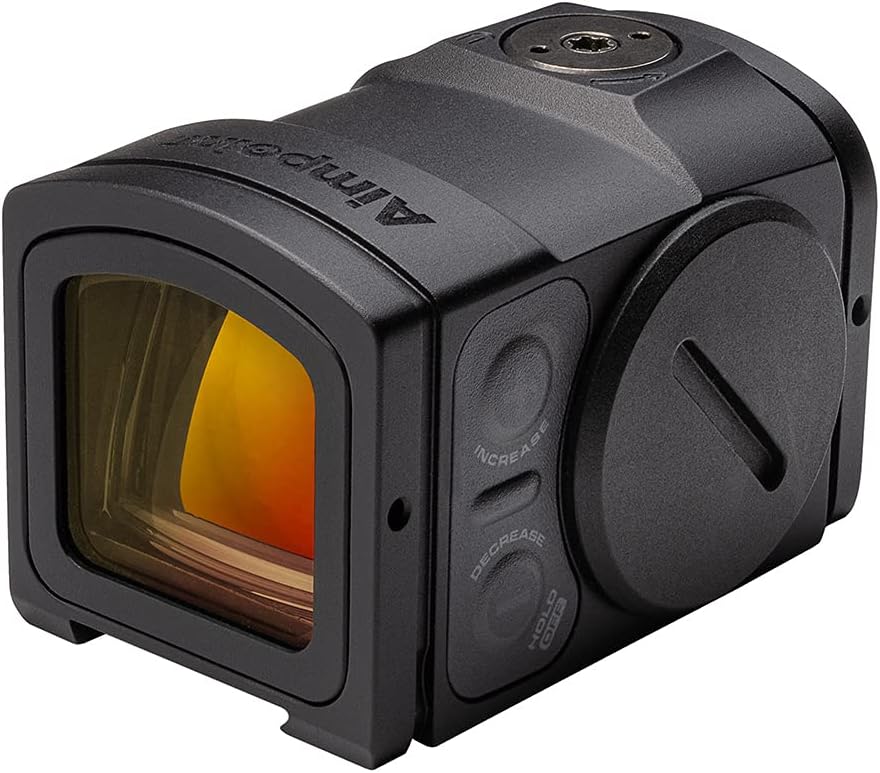
The ACRO P-2 is one of the toughest enclosed-emitter pistol optics currently available. Its sealed design makes it ideal for duty guns exposed to rain, lint, mud, and rough handling.
Specs
- 3.5 MOA dot
- Fully enclosed emitter
- ACRO footprint
- 50,000-hour battery life
- Night vision compatibility
- Submersible construction
Pros
- Outstanding durability
- Fully enclosed emitter
- Excellent battery longevity
- Crisp brightness adjustments
- Reliable weather sealing
Cons
- Expensive
- Heavier than open emitters
- Requires dedicated mounting solution
My hands-on notes
The ACRO P-2 feels overbuilt in the best possible way. Mounted on a Glock 23, the added mass slightly changes slide behavior, but reliability remained excellent with quality ammunition. The enclosed design completely eliminates emitter blockage from rain or lint, which is a real advantage for daily carry.
The brightness controls are among the best I’ve used. They provide positive tactile clicks and are easy to manipulate with gloves. The glass is exceptionally clean with minimal tint, and I observed almost no distortion around the edges.
The optic window is slightly narrower than an SRO-style optic, but presentation consistency compensates for that limitation quickly. Parallax performance was excellent at defensive handgun distances.
What people say online
Duty users and law enforcement shooters regularly praise the ACRO P-2 for reliability under harsh environmental conditions. Many users consider it the top enclosed pistol optic currently available.
Mounting clarity
The ACRO footprint differs from RMR-compatible optics. Glock 23 owners need either an ACRO-cut slide or a compatible mounting plate system.
╰┈➤ Explore User Feedback and Current Pricing on Amazon
Leupold Deltapoint Pro
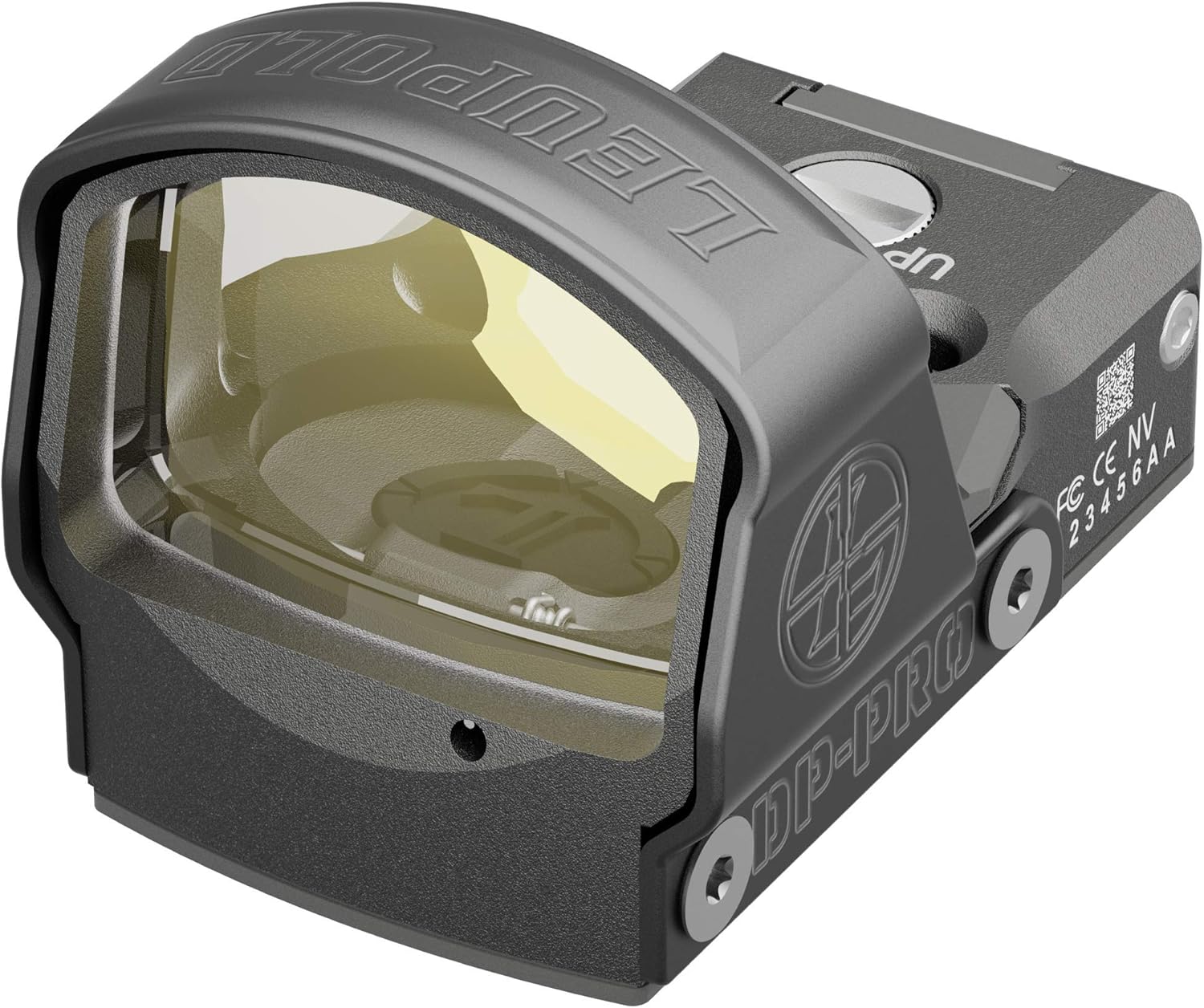
The Deltapoint Pro remains one of my favorite optics for shooters prioritizing window size and rapid target acquisition. Its large viewing area makes it particularly forgiving during fast draws.
Specs
- 2.5 MOA dot
- Large viewing window
- Motion sensor activation
- Top-loading battery
- Aluminum housing
- DPP footprint
Pros
- Massive field of view
- Excellent glass quality
- Easy battery access
- Fast target acquisition
- Crisp reticle presentation
Cons
- Taller deck height
- Slightly bulkier profile
- Less impact resistant than RMR
My hands-on notes
The large window dramatically improves tracking during recoil recovery on the Glock 23. I found transitions between targets noticeably faster compared to smaller-window optics. The glass clarity is outstanding with very little tint, and the dot remains crisp even in bright outdoor conditions.
The top battery compartment is extremely convenient. I also appreciate the large brightness button, which remains easy to manipulate under stress or with gloves. During extended shooting sessions, I noticed very minor window reflections under harsh sunlight, but not enough to impact usability.
Its deck height sits higher than some competing optics, so proper suppressor-height irons become more important if you want an effective co-witness setup.
What people say online
Competition shooters consistently praise the Deltapoint Pro for its large window and fast sight picture. Defensive users appreciate the motion-activated illumination and overall reliability.
Mounting clarity
The DPP uses its own footprint. Glock 23 MOS models require a DPP-compatible adapter plate unless using a direct-milled slide.
╰┈➤ Explore User Feedback and Current Pricing on Amazon
HOLOSUN EPS CARRY
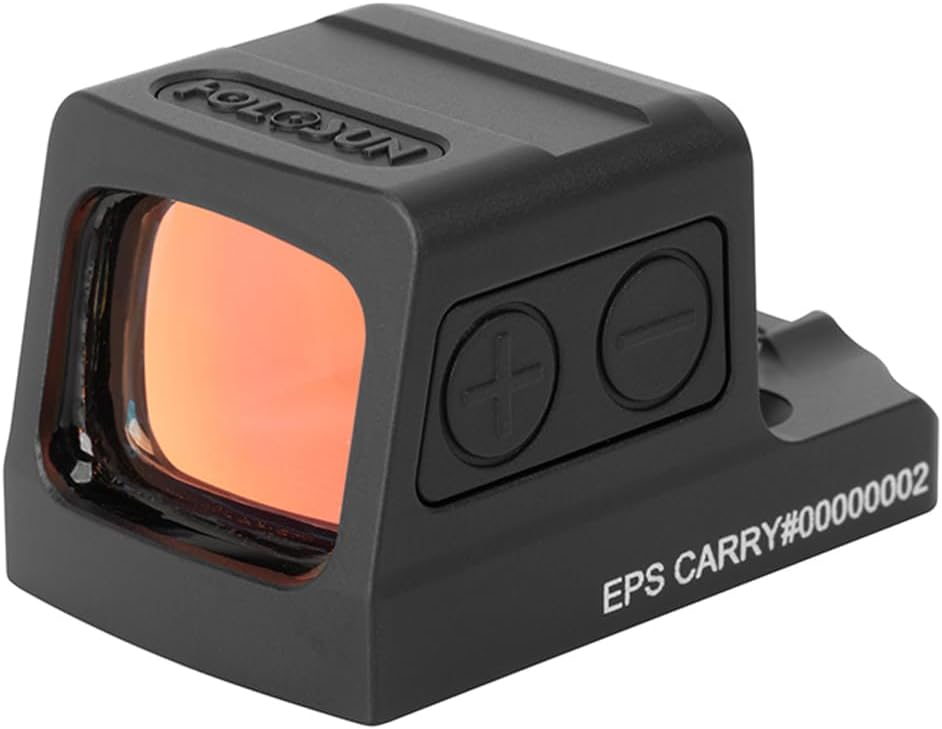
The EPS CARRY is one of the best compact enclosed-emitter optics available for concealed carry pistols. Its slim dimensions work extremely well on compact Glock builds.
Specs
- Enclosed emitter
- Multi-reticle system
- Side battery tray
- Aspherical lens design
- Shake Awake system
- RMSc-style footprint
Pros
- Compact enclosed design
- Excellent carry profile
- Strong battery efficiency
- Minimal lens distortion
- Lightweight housing
Cons
- Smaller window
- RMSc footprint limitations
- Less suited for competition shooting
My hands-on notes
The EPS CARRY keeps the Glock 23 surprisingly trim for daily concealed carry. The enclosed emitter prevents debris accumulation, which is especially useful for appendix carry setups where lint can become a constant issue.
The side battery tray remains one of my favorite design elements because maintenance stays simple. The glass quality exceeded my expectations with very little distortion or magnification effect. During recoil testing, the optic tracked consistently despite the sharper recoil impulse of the .40 cartridge.
The smaller window does require disciplined presentation technique, but once acclimated, the optic feels fast and intuitive. Button tactility is solid, though slightly recessed compared to larger optics.
What people say online
Concealed carriers frequently recommend the EPS CARRY for its enclosed emitter and slim profile. Many shooters transitioning from open emitters appreciate the cleaner long-term maintenance experience.
Mounting clarity
The EPS CARRY uses an RMSc-style footprint. Glock 23 owners typically need an adapter plate unless the slide is specifically cut for RMSc optics.
╰┈➤ Explore User Feedback and Current Pricing on Amazon
Steiner MPS
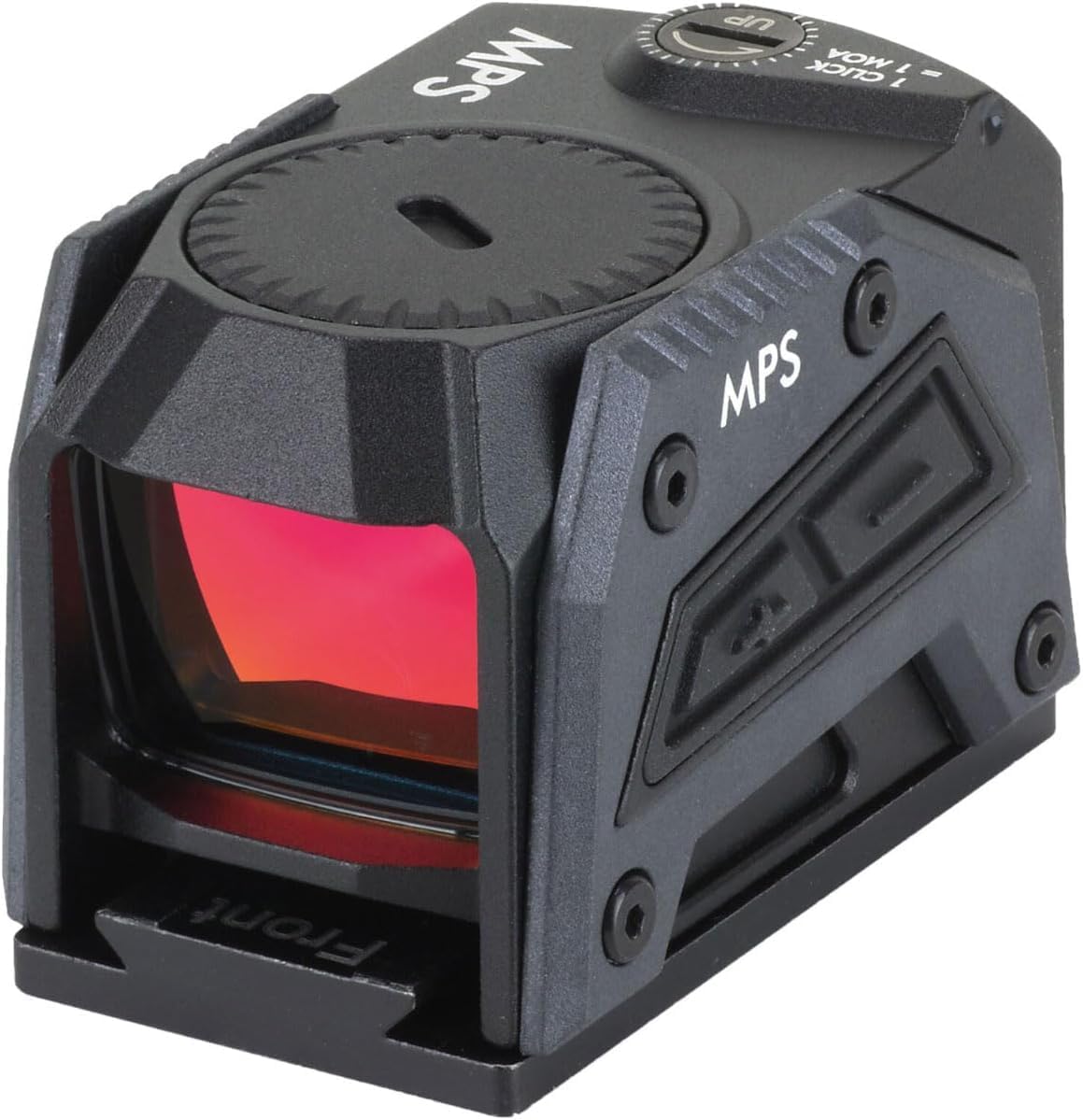
The Steiner MPS combines enclosed-emitter durability with a larger viewing window than many competing enclosed optics. It feels purpose-built for defensive and duty applications.
Specs
- Fully enclosed emitter
- 3.3 MOA dot
- ACRO-compatible footprint
- Aluminum housing
- Side battery compartment
- Waterproof construction
Pros
- Large enclosed window
- Excellent durability
- Convenient battery access
- Clear glass quality
- Strong recoil handling
Cons
- Heavier than open emitters
- Premium pricing
- Bulkier carry profile
My hands-on notes
The MPS impressed me immediately with its exceptionally clean glass and generous viewing window. Compared to several enclosed optics, target acquisition felt faster and more natural on the Glock 23.
The side battery compartment simplifies maintenance substantially. I also liked the button design because the controls provide strong tactile feedback without feeling mushy. The optic handled repeated recoil cycles without any flickering or zero shift.
The enclosed housing protects the emitter extremely well while reducing the maintenance headaches common with open emitters. During testing, I noticed minimal internal reflections even under bright overhead lighting.
Co-witness performance depends heavily on your mounting plate and iron sight height, but the overall deck height remains manageable for a duty-oriented setup.
What people say online
The MPS has developed a strong reputation among defensive shooters looking for enclosed-emitter reliability with a larger usable window than the ACRO platform.
Mounting clarity
The Steiner MPS uses an ACRO-compatible footprint, making adapter plate compatibility relatively straightforward for Glock MOS systems.
╰┈➤ Explore User Feedback and Current Pricing on Amazon
How I Tested / Evaluation Criteria
Parallax
I evaluate pistol optics by shooting from unconventional angles at defensive distances ranging from 5 to 25 yards. Excessive parallax shift becomes noticeable when the dot drifts significantly off-center during rapid movement or awkward shooting positions.
The best optics minimized point-of-impact deviation even when the reticle approached the edge of the window. Models like the RMR Type 2 and ACRO P-2 performed exceptionally well in this category.
Co-Witness and Deck Height
Deck height matters more on compact pistols than many shooters realize. A lower-mounted optic improves presentation consistency and allows more practical co-witness setups with suppressor-height irons.
I tested each optic with standard-height and suppressor-height Glock sight configurations. Optics with excessively tall housings slowed down target acquisition during draw drills.
Durability
The Glock 23 produces a sharper recoil impulse than most comparable 9mm pistols, making it a good stress test for optics durability. I evaluated housing integrity, screw retention, lens stability, and zero retention during extended shooting sessions.
Closed-emitter optics generally handled environmental exposure better, while premium open emitters maintained lower overall weight.
Battery Performance
Battery life becomes critical on defensive optics. I favor optics with long runtimes, shake-awake systems, or efficient power management that reduce maintenance concerns.
Side-loading or top-loading battery systems scored higher because they eliminate unnecessary re-zeroing after battery replacement.
Brightness Range
I tested brightness settings indoors, outdoors, and under weapon-mounted light conditions. Good optics maintain a visible reticle without excessive bloom or distortion.
Night vision compatibility also matters for professional or duty-oriented users, though it’s less relevant for casual range shooters.
Glass Quality
Lens coatings, tint, distortion, and clarity all affect shooting performance. Excessive blue or green tint can reduce contrast in certain environments.
I also looked for edge distortion and internal reflections during movement drills and bright sunlight exposure.
Controls Ergonomics
Brightness controls should remain usable with wet hands or gloves. Mushy buttons and recessed controls become frustrating under stress.
The best optics provide clear tactile feedback while preventing accidental brightness changes during carry.
Mounting Ecosystem
A strong footprint ecosystem simplifies optic installation and long-term support. RMR-compatible optics still dominate this category because of widespread aftermarket adoption.
ACRO-compatible footprints continue gaining popularity due to enclosed-emitter demand, especially among defensive shooters.
How to Choose the Right Red Dot for This Gun
Choosing the right optic for a Glock 23 depends heavily on how you actually use the pistol. The .40 S&W chambering creates more abrupt recoil than most 9mm Glock models, so durability should remain a higher priority than flashy features.
If the pistol serves as a defensive carry gun, I strongly recommend focusing on reliability, enclosed-emitter protection, and manageable dimensions. Optics like the ACRO P-2, EPS CARRY, and Steiner MPS excel in this role because they protect the emitter from moisture, lint, and debris that commonly affect concealed carry pistols.
For duty or hard-use range applications, durability and mounting stability matter most. The Trijicon RMR Type 2 still dominates this category because of its proven track record across military, law enforcement, and civilian defensive shooting. Even after years of use, it remains one of the safest long-term investments.
Competition-focused shooters may prefer larger windows for faster transitions and easier tracking during recoil. The Deltapoint Pro performs exceptionally well here because the oversized window improves visual tracking during rapid strings of fire.
Footprint compatibility is another critical consideration. Many Glock 23 owners overlook mounting standards until after purchasing an optic. RMR footprints remain the easiest to support because of the huge aftermarket ecosystem. ACRO and RMSc footprints often require more specialized mounting plates or direct milling.
Battery access also deserves attention. Bottom-loading batteries force optic removal during replacement, which usually means confirming zero afterward. Side-loading and top-loading designs simplify maintenance significantly.
Finally, consider your training experience. Larger windows and circle-dot reticles help newer shooters acquire the reticle faster, while experienced users may prefer smaller, simpler dots for precision work.
In most cases, I recommend prioritizing durability first, mounting compatibility second, and advanced features third.
FAQs
Is the Glock 23 good for a red dot sight?
Yes. The Glock 23 handles pistol optics very well when paired with a quality mounting solution. Its compact dimensions make it an effective defensive handgun with a red dot.
What footprint works best on a Glock 23?
The RMR footprint remains the most versatile because of broad aftermarket support and optic availability.
Are enclosed emitters worth it for concealed carry?
Absolutely. Enclosed emitters reduce maintenance issues caused by lint, rain, sweat, and debris during daily carry.
Do I need suppressor-height sights?
If you want a reliable co-witness setup, suppressor-height sights are strongly recommended for most optic configurations.
Can .40 S&W damage cheaper optics?
Yes. The sharper recoil impulse of .40 S&W can expose weaknesses in lower-quality optics, especially regarding battery contacts and zero retention.
Conclusion
For most shooters, the Best Red Dot for Glock 23 comes down to balancing durability, mounting compatibility, recoil performance, and practical carry needs. The Trijicon RMR Type 2 still leads for overall durability, while the HOLOSUN 507C delivers exceptional value. If you want maximum environmental protection, enclosed-emitter optics like the ACRO P-2 and Steiner MPS are outstanding choices.
No matter which optic you choose, proper mounting, quality screws, and consistent training matter just as much as the optic itself. A well-configured Glock 23 with a reliable red dot remains one of the most capable defensive pistol setups available today.
Sources referenced include manufacturer technical specifications from Trijicon, Holosun, Aimpoint, Leupold, and Steiner; user feedback discussions from Reddit handgun communities; mounting compatibility references from Glock MOS documentation and optic footprint resources.