Best Red Dot for Glock 27
Best Red Dot for Glock 27 setups require more thought than most compact carry pistols because the Glock 27 combines snappy recoil, limited slide width, and deep concealment dimensions in one package. I’ve spent years testing optics on subcompact pistols, and the Glock 27 consistently exposes weak emitter housings, poor battery contacts, and overly tall deck heights faster than larger handguns do.
The biggest challenge is balancing durability with concealability. A large window optic may track beautifully during recoil, but it can print under clothing or overhang the slide excessively. Meanwhile, ultra-small optics sometimes suffer from cramped windows, heavy lens tint, or inconsistent brightness controls under stress.
For this guide, I focused on six optics that actually make sense on a Glock 27. That means realistic carry dimensions, proven recoil handling on .40 S&W platforms, dependable mounting ecosystems, and strong long-term user feedback from defensive shooters and concealed carriers. I also considered co-witness compatibility, parallax consistency, battery access design, and how each optic behaves during rapid strings where compact pistols tend to amplify tracking issues.
Top Product List: Best Red Dot for Glock 27
HOLOSUN EPS CARRY
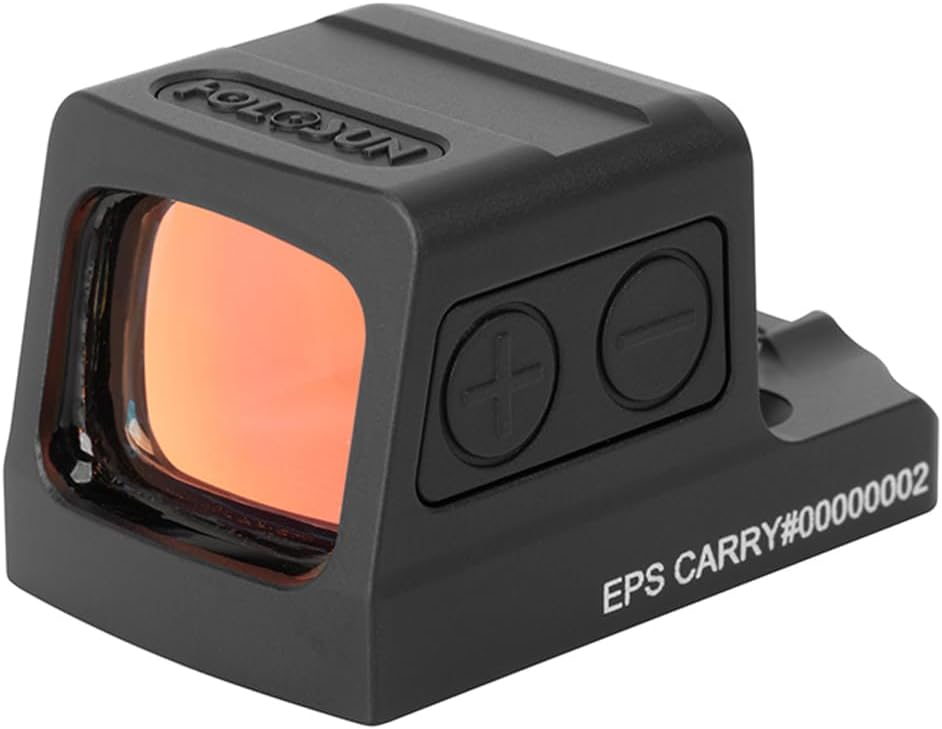
The EPS Carry is one of the most practical enclosed pistol optics I’ve used on compact Glock platforms. Its enclosed emitter design dramatically reduces lint, moisture, and debris issues that commonly affect carry guns riding inside waistbands all day.
Specs
- Enclosed emitter
- RMSc footprint
- 2 MOA dot or MRS reticle options
- 7075 aluminum housing
- Side battery tray
- Solar failover system
- Multiple NV-compatible settings
Pros
- Excellent protection from emitter occlusion
- Compact width fits Glock 27 well
- Crisp reticle with minimal bloom
- Side battery access prevents rezeroing
Cons
- Slight blue lens tint
- Buttons feel small with gloves
- Window smaller than full-size optics
My Hands-On Notes
The EPS Carry tracks recoil extremely well on the Glock 27 despite the sharp .40 S&W impulse. I noticed very little vertical bounce during rapid pairs, and the enclosed design stayed clear during sweat-heavy summer carry sessions. The deck height is low enough for usable lower-third co-witness with suppressor-height irons.
Parallax shift remained minimal even at awkward presentation angles. The optic window is not huge, but the edge distortion is controlled better than many micro carry optics. I also appreciate the recessed buttons because they avoid accidental brightness changes during concealed carry.
What People Say Online
Across concealed-carry forums and Reddit discussions, users consistently praise the EPS Carry for reliability under daily carry abuse. Many shooters moving from open emitters specifically mention fewer cleaning interruptions and improved confidence during rain or dusty range conditions.
Mounting Clarity
The Glock 27 MOS variants can use direct RMSc-compatible mounting solutions depending on the plate system. Non-MOS slides generally require milling for the RMSc footprint.
╰┈➤ Explore User Feedback and Current Pricing on Amazon
Trijicon RMRcc
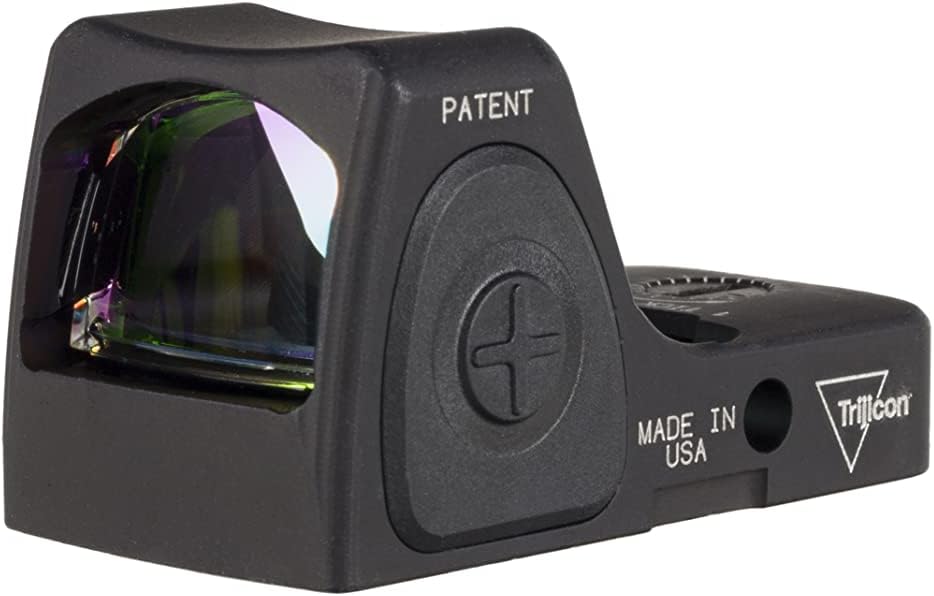
The RMRcc was built specifically for slim and compact concealed-carry pistols, and it remains one of the toughest optics available for subcompact defensive guns. It retains the signature durability of the standard RMR while reducing width for carry-friendly pistols.
Specs
- 3.25 MOA dot
- Patented RMRcc footprint
- Forged aluminum housing
- Top-loading battery
- Multi-coated glass
- Automatic and manual brightness modes
Pros
- Outstanding durability
- Excellent recoil resistance
- Clean glass with low distortion
- Reliable button responsiveness
Cons
- Proprietary footprint limits mounting flexibility
- Smaller viewing window
- Higher price point
My Hands-On Notes
The RMRcc handles the Glock 27 recoil impulse exceptionally well. I’ve seen cheaper optics flicker or lose brightness consistency on compact .40 pistols, but the RMRcc remains stable even during aggressive strings. The housing shape naturally deflects impact energy, which is one reason Trijicon optics survive hard duty use.
The window feels narrow compared to newer competition-oriented optics, but presentation becomes intuitive with practice. Parallax performance is excellent, especially at defensive distances under 15 yards. Lens tint is present but less distracting than older RMR generations.
The tactile buttons work reliably even with gloves, though the recessed positioning prevents accidental activation during carry. Battery replacement from the top is a major improvement over older bottom-mounted systems.
What People Say Online
Most long-term users praise the RMRcc for durability and reliability over sheer window size. Defensive shooters consistently mention confidence in the optic after thousands of rounds and extended concealed carry use.
Mounting Clarity
The RMRcc uses its own footprint, so Glock 27 installations usually require dedicated adapter plates or direct slide milling.
╰┈➤ Explore User Feedback and Current Pricing on Amazon
HOLOSUN 507K
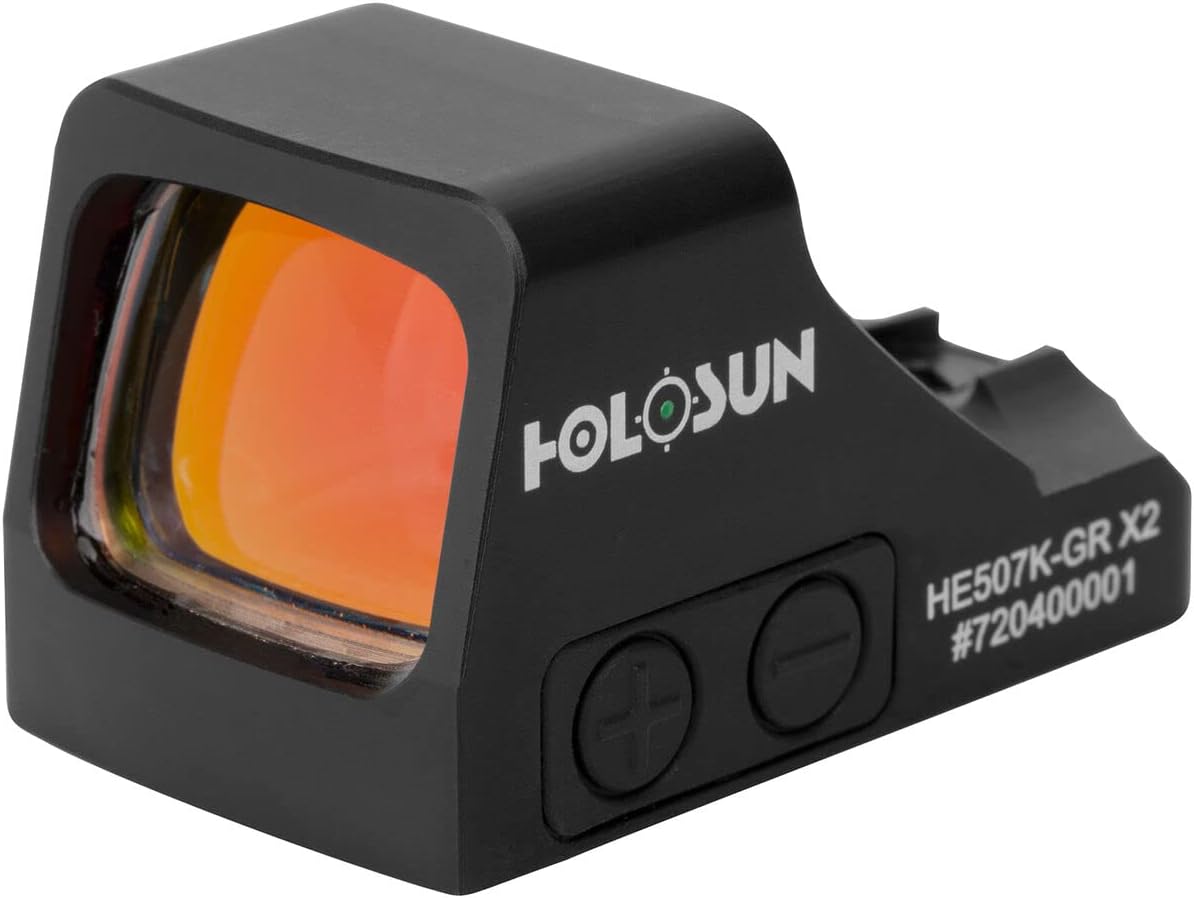
The 507K remains one of the best balanced micro optics for concealed carry because it combines manageable dimensions with surprisingly advanced features. On a Glock 27, it offers strong capability without excessive bulk.
Specs
- Modified RMSc footprint
- Multi-reticle system
- Side battery tray
- Shake Awake technology
- 7075 aluminum housing
- 2 MOA dot and 32 MOA circle
Pros
- Excellent value
- Fast reticle acquisition
- Strong battery life
- Good concealment dimensions
Cons
- Open emitter susceptible to lint
- Slightly busy reticle for some users
- Noticeable lens tint in bright sunlight
My Hands-On Notes
The 507K has one of the fastest acquisition characteristics in this category. The circle-dot reticle helps compensate for the Glock 27’s abbreviated grip and faster recoil cycle. During recoil tracking, I found the larger circle helped maintain visual reference even during imperfect draws.
The side-mounted battery tray is practical and secure. I also like the brightness controls because they remain tactile even with sweaty hands or gloves. The housing has survived repeated slide manipulations against barricades without visible structural issues.
Parallax is controlled reasonably well, though not quite at the level of the RMRcc. Edge distortion is mild, and the optic window feels slightly more forgiving than some enclosed micro sights. Co-witness compatibility depends heavily on the mounting plate and iron sight height, but lower-third setups are common.
What People Say Online
Online users often recommend the 507K as the sweet spot between cost, reliability, and carry comfort. Many concealed carriers report several thousand rounds without zero drift or electronic issues.
Mounting Clarity
The 507K uses a modified RMSc-style footprint. Glock 27 installations generally require compatible adapter plates or custom slide milling.
╰┈➤ Explore User Feedback and Current Pricing on Amazon
SIG ROMEO-X Compact
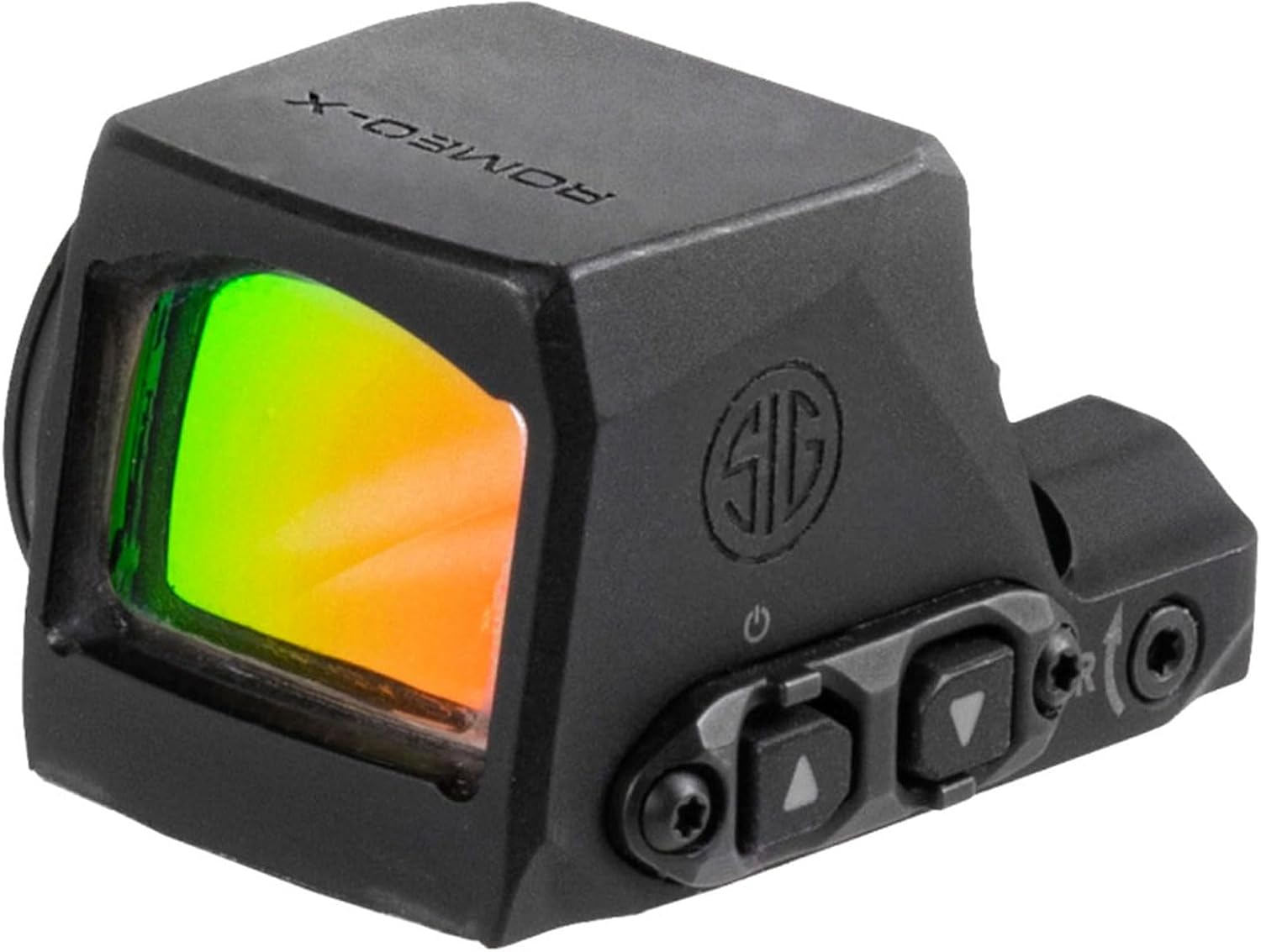
The ROMEO-X Compact is one of SIG’s most refined carry optics to date. It combines a low deck height with durable construction and a surprisingly clear viewing experience for a micro-sized optic.
Specs
- Compact enclosed-inspired housing
- Aspherical glass lens
- Side battery compartment
- MOTAC motion activation
- CNC aluminum housing
- Multiple brightness settings
Pros
- Extremely clear glass
- Low deck height aids co-witness
- Crisp emitter performance
- Strong brightness range
Cons
- Premium pricing
- Smaller controls
- Limited long-term track record compared to RMRcc
My Hands-On Notes
The first thing I noticed with the ROMEO-X Compact was the glass clarity. The lens tint is lighter than many competing optics, which helps maintain natural target color under daylight conditions. On a Glock 27, that matters because rapid defensive shooting already introduces visual disruption from recoil.
The optic sits relatively low, improving presentation consistency and making co-witness setups easier without excessively tall iron sights. During recoil testing, the emitter stayed crisp without noticeable smearing or starbursting.
Button tactility is acceptable but slightly shallow with gloves. The housing corners are well-rounded for concealed carry, reducing discomfort against clothing or skin. I also experienced very little visual distortion near the edges of the window.
Parallax performance remained stable during unconventional shooting positions. Even when intentionally misaligning my head position, impacts stayed predictable within defensive ranges.
What People Say Online
Many users praise the ROMEO-X Compact for its clear glass and comfortable carry dimensions. Several concealed carriers specifically compare its optical clarity favorably against competing micro optics.
Mounting Clarity
The optic is compatible with compact pistol slide systems using RMSc-pattern mounting arrangements depending on the plate configuration.
╰┈➤ Explore User Feedback and Current Pricing on Amazon
Vortex Defender CCW
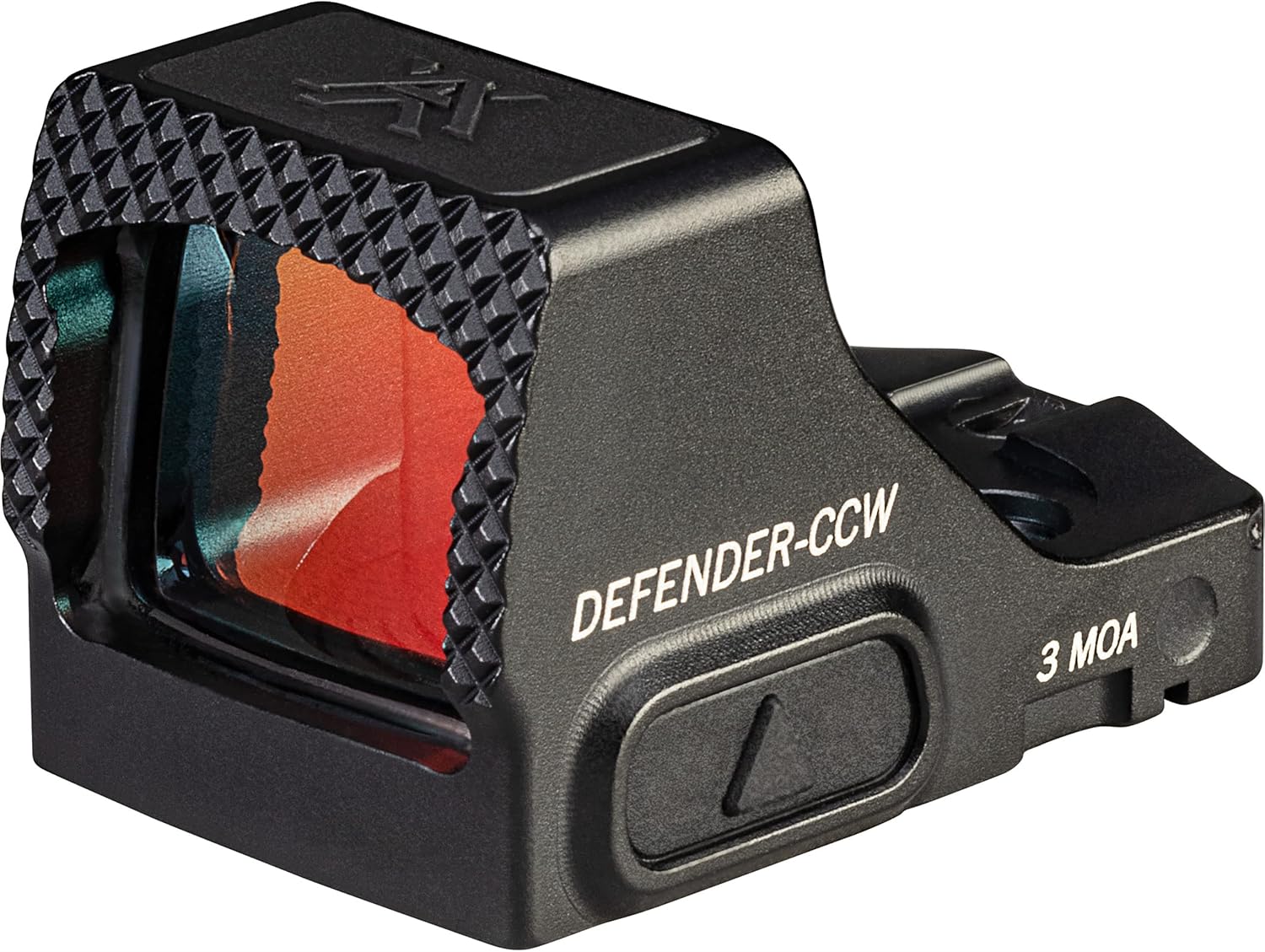
The Defender CCW is one of the better value-oriented carry optics currently available. Vortex improved several weaknesses found in older micro optics, especially durability and brightness responsiveness.
Specs
- Shield RMSc footprint
- Fast-access brightness controls
- ShockShield polymer insert
- Large aspherical lens
- Top battery access
- Multiple reticle sizes available
Pros
- Good window size for compact optic
- Excellent warranty support
- Strong brightness performance
- Easy battery replacement
Cons
- Slightly bulkier profile
- More noticeable housing edges
- Open emitter design
My Hands-On Notes
The Defender CCW feels slightly larger than some micro optics, but the tradeoff is a more forgiving window during rapid presentations. On the Glock 27, that larger visual window noticeably helps maintain dot tracking during recoil recovery.
The brightness controls are easy to manipulate with gloves, and the optic transitions smoothly between lighting environments. I also appreciate the top-loading battery because it simplifies maintenance without disturbing zero.
The lens has mild blue tinting, but clarity remains solid overall. I noticed minimal distortion across the center portion of the window, though the outer edges introduce slight warping under certain angles. Recoil handling has been better than I expected from a lighter carry optic.
Co-witness height depends on the plate system, but the optic generally maintains reasonable deck height for concealed-carry builds.
What People Say Online
Many concealed carriers highlight the Defender CCW as an excellent value option with dependable customer service support. Users frequently praise the large viewing window relative to its price category.
Mounting Clarity
The Defender CCW uses the RMSc footprint, making it compatible with many Glock 27 optic-cut slide systems and adapter plates.
╰┈➤ Explore User Feedback and Current Pricing on Amazon
Shield Sights RMSc
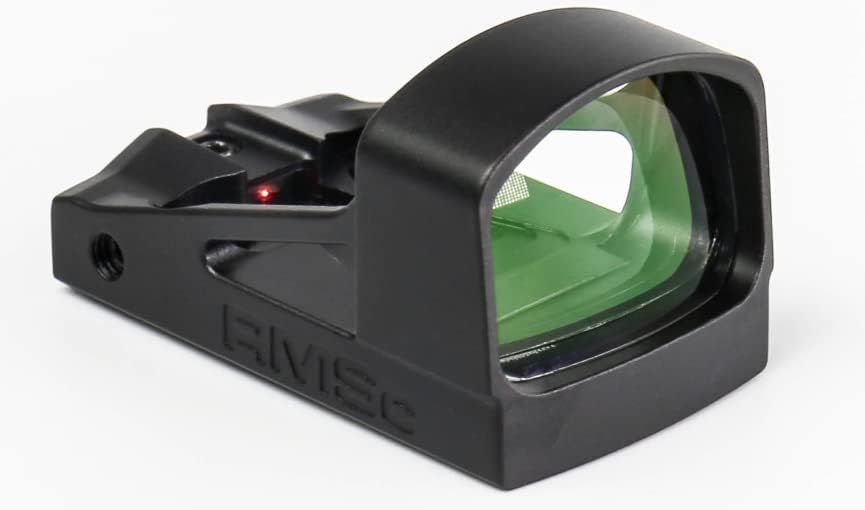
The RMSc helped define the modern micro-pistol optic category. Its lightweight dimensions and slim footprint still make it attractive for deep-concealment pistols like the Glock 27.
Specs
- Polymer lens option
- Ultra-lightweight housing
- RMSc footprint
- Automatic brightness adjustment
- Slim body profile
- Low-profile deck height
Pros
- Extremely compact
- Excellent concealment profile
- Very low mounting height
- Lightweight for slide cycling
Cons
- Smaller viewing window
- Automatic brightness can struggle occasionally
- Less rugged than enclosed designs
My Hands-On Notes
The RMSc excels when concealment is the top priority. On a Glock 27, the slim housing minimizes bulk and maintains comfortable carry dimensions. The low deck height also creates one of the easiest co-witness arrangements among compact optics.
Because the optic is so lightweight, slide cycling feels extremely natural during recoil. I noticed less top-heavy movement compared to some enclosed optics. However, the smaller window demands more disciplined presentation mechanics.
The automatic brightness system generally works well outdoors, though transitions between indoor and outdoor lighting occasionally lag behind manual systems. Lens clarity is decent, but the smaller viewing area makes rapid target transitions less forgiving.
Parallax shift stays acceptable at defensive distances, though this optic is clearly optimized for close-range carry use rather than extended precision shooting.
What People Say Online
Long-time concealed carriers still appreciate the RMSc for its simplicity and minimal footprint. Many users specifically favor it for lightweight daily carry pistols where bulk reduction matters most.
Mounting Clarity
The RMSc footprint has become one of the most widely supported compact optic standards, simplifying Glock 27 mounting solutions.
╰┈➤ Explore User Feedback and Current Pricing on Amazon
How I Tested / Evaluation Criteria
Parallax
Parallax performance matters more on compact pistols than many shooters realize. The shorter sight radius and faster recoil cycle of the Glock 27 amplify aiming inconsistencies when the dot shifts excessively off-axis. I tested each optic during rapid presentations, unconventional shooting positions, and imperfect cheek-to-window alignment.
The best optics maintained predictable impact placement even when the dot drifted near the edge of the glass. Inferior optics showed noticeable point-of-impact movement or distorted dot geometry during off-center viewing.
Co-Witness / Deck Height
Deck height strongly affects how naturally a red dot integrates with iron sights. I evaluated how each optic aligned with suppressor-height sights and whether the presentation angle felt intuitive during rapid draws.
Lower deck heights generally improved acquisition speed and reduced the “searching for the dot” problem. However, extremely low optics sometimes sacrificed window size or durability.
Durability
The Glock 27 produces sharper recoil impulse than many 9mm subcompacts, making it an excellent stress test for optic durability. I focused heavily on battery contact reliability, housing rigidity, and screw retention consistency.
I also evaluated resistance to emitter occlusion, moisture intrusion, and repeated slide manipulations against hard surfaces.
Battery
Battery access design significantly affects long-term usability. Top-loading or side-loading systems simplify maintenance and preserve zero. Bottom-mounted batteries remain functional but create unnecessary inconvenience for defensive pistols.
I also considered motion activation systems, standby efficiency, and real-world runtime consistency.
Brightness Range
A carry optic must remain usable in both bright sunlight and low-light environments. I evaluated maximum brightness, button responsiveness, and whether automatic systems adapted reliably to changing conditions.
Night-vision compatibility was considered for advanced users, though it remains secondary for most concealed carriers.
Glass Quality
Glass quality affects both target clarity and eye fatigue. Excessive tint, edge distortion, or emitter flare can slow target transitions during defensive shooting.
The best optics balanced crisp emitters with minimal visual warping and manageable lens coloration.
Controls Ergonomics
Brightness buttons must remain tactile under stress, including while wearing gloves or during wet conditions. Poorly designed controls create unnecessary friction during defensive use.
I specifically tested accidental button activation during concealed carry because some optics protrude enough to shift settings unintentionally.
Mounting Ecosystem
The Glock 27 requires careful optic footprint planning because mounting options vary widely between MOS and non-MOS configurations. I evaluated plate availability, aftermarket support, and direct-mill practicality.
Optics with mature mounting ecosystems simplify installation and reduce tolerance stacking problems.
How to Choose the Right Red Dot for This Gun
Choosing a red dot for the Glock 27 requires balancing concealment, durability, recoil handling, and mounting compatibility. This pistol is smaller and more recoil-intensive than many concealed-carry guns, so the optic must work with the platform rather than fight against it.
The first factor I prioritize is optic size. Oversized optics may improve target acquisition slightly, but they often overhang the compact slide and create concealment issues. A properly sized micro optic preserves the Glock 27’s role as a defensive carry pistol.
Second, recoil durability matters enormously on a .40 S&W subcompact. Compact pistols cycle faster and transmit sharper recoil impulses into the optic housing. Weak battery contacts, poorly secured emitters, and thin housings tend to fail faster on guns like the Glock 27 than on larger 9mm pistols.
Third, consider emitter design. Open emitters remain popular because they reduce bulk and often provide larger viewing windows. However, enclosed emitters dramatically reduce lint, moisture, and debris interference during daily carry. For waistband carry in humid climates, enclosed optics offer meaningful advantages.
Mounting compatibility is another major consideration. Many Glock 27 pistols require aftermarket slide milling or adapter plates. Every plate introduces additional tolerance stacking, which can affect reliability and co-witness height. Whenever possible, I prefer direct-mount systems or proven adapter solutions.
Window size should match your intended use. Defensive carry optics do not necessarily need massive competition-sized windows. Instead, focus on consistent presentation, crisp emitter quality, and predictable tracking during recoil.
Battery design also matters more than many people think. Side-loading or top-loading batteries simplify maintenance and reduce the temptation to delay battery replacement schedules. A carry optic should encourage proactive maintenance rather than complicate it.
Finally, evaluate long-term ecosystem support. Optics with mature footprints and broad aftermarket compatibility make future upgrades easier while improving mounting confidence.
FAQs
Is the Glock 27 good for a red dot sight?
Yes. The Glock 27 benefits significantly from a quality optic because the shorter grip and snappier recoil make fast sight alignment more challenging with irons alone.
What footprint works best for compact Glock optics?
RMSc-style footprints dominate the compact carry market and provide the widest compatibility for slim pistol optics.
Are enclosed emitters worth it on concealed-carry pistols?
For many users, yes. Enclosed emitters resist lint, sweat, rain, and debris much better during daily carry.
Can I co-witness irons with a Glock 27 optic setup?
Absolutely. Most setups use suppressor-height irons to achieve lower-third co-witness depending on the optic and mounting plate.
Does .40 S&W damage optics faster than 9mm?
In many cases, yes. The sharper recoil impulse of compact .40 pistols can expose weak electronics and poor battery contacts more quickly.
In my experience, Best Red Dot for Glock 27 choices come down to reliability under recoil and realistic carry practicality rather than chasing the largest window or newest feature set. The EPS Carry offers the best overall balance for most users, while the RMRcc remains the benchmark for ruggedness. Shooters wanting maximum value should seriously consider the 507K or Defender CCW, while deep-concealment users may still appreciate the RMSc’s ultra-light profile.
Sources consulted include manufacturer specifications from Holosun, Trijicon, SIG Sauer, Vortex, and Shield Sights; mounting references from RMSc and Glock MOS compatibility resources; and long-term user discussions from Reddit carry communities and firearm forums.